

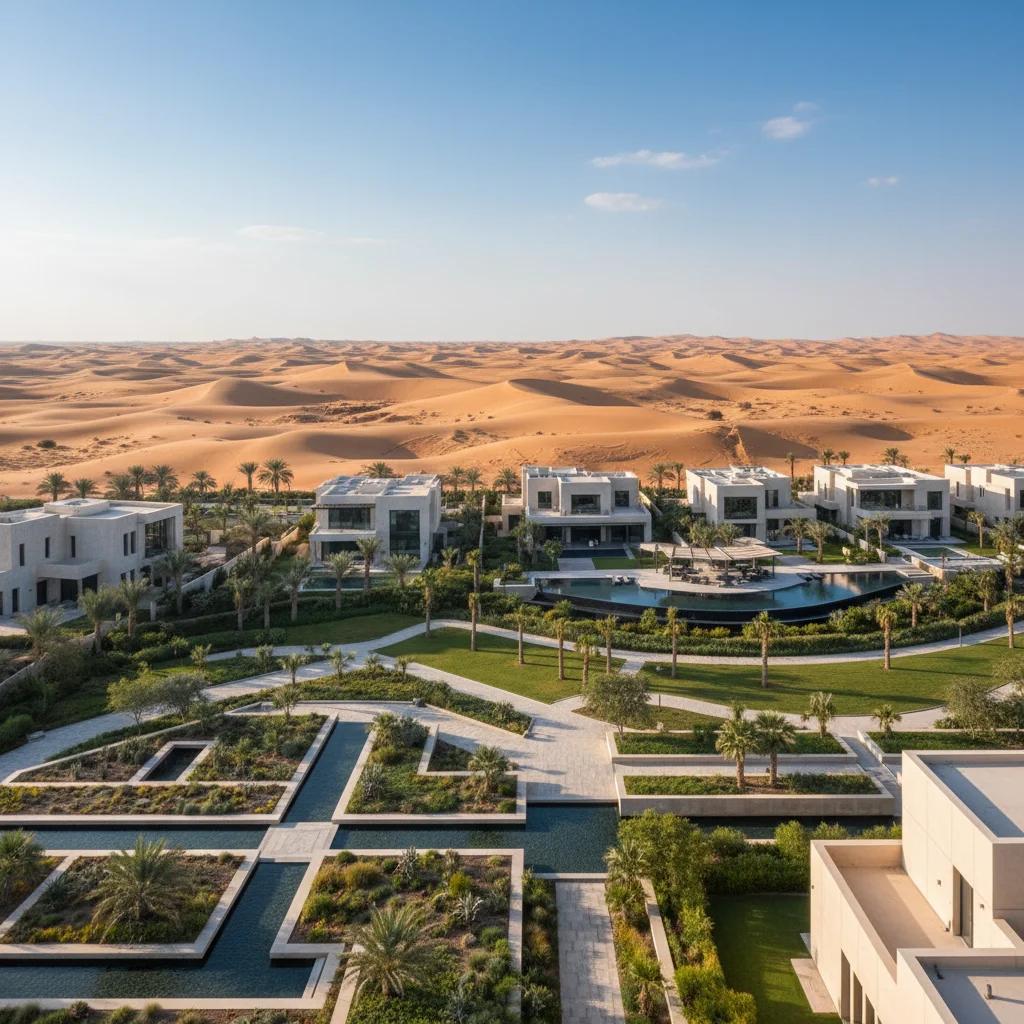
Al Fayah – Unique Desert Landscape & Heritage Guide
- Al Fayah: An Overview of the Desert and Its Significance
- The Archaeological Importance of the Faya Palaeolandscape
- Al Fayah: Recreation and Tourist Activities in the Desert
- Design and Features of Al Fayah Park in Abu Dhabi
- Transportation and Accessibility to Al Fayah Desert and Park
- Visitor Tips and Seasonal Considerations for Exploring Al Fayah
- FAQs
Explore al fayah and its geological features, archaeological significance, and modern park development. Discover cultural heritage and outdoor activities in this unique desert.
Al Fayah: An Overview of the Desert and Its Significance
Al Fayah is a captivating desert region located east of Dubai, distinguished by its striking geological features including the unique red dunes that define its landscape. This area presents a rich tapestry of natural beauty that attracts both researchers and tourists alike.
The distinct red dunes of the property are not just visually stunning; they are also significant from a geological standpoint. These dunes have evolved through intricate processes shaped by the desert's wind and environment. Exploring this area offers a unique insight into the natural forces at work in the UAE's desert ecosystem.
In addition to its natural allure, the property is part of the Faya Palaeolandscape, recognized for its archaeological importance. This UNESCO site is vital for the understanding of human history in the region, containing layers of evidence that reveal the prehistoric lifestyle of its inhabitants and their adaptation to the rugged desert environment.
Visitors to the property often engage in various activities including hiking and photography, taking advantage of the area's dramatic landscapes. Guided tours may also be available, providing deeper knowledge about the flora, fauna, and geological formations unique to this desert region.
For those looking to explore real estate options in proximity to this remarkable landscape, browse available properties for sale near the property. The unique environment can enhance the appeal of nearby living developments, allowing residents to enjoy both amenities and natural beauty.
The Archaeological Importance of the Faya Palaeolandscape
Significant archaeological sites across the al fayah area reveal insights into early human life, with findings that span from the Paleolithic to Neolithic periods. The Faya Palaeolandscape is home to numerous rock shelters and cave sites, which served as dwelling places for ancient humans. These findings have helped archaeologists better understand the cultural evolution of the region.
Discoveries within these sites include stone tools that indicate sophisticated hunting and gathering techniques. Such tools provide glimpses into the daily lives of early inhabitants, showcasing their adaptability to the harsh desert environment. The preservation of these artefacts is crucial for academic research and offers educational opportunities for those interested in the history of human civilization.
In addition to tools, remnants of ancient hearths and food remains have been uncovered, indicating not only where people lived, but also what they consumed and how they prepared their meals. These findings contribute to our understanding of nutrition and dietary habits during pivotal periods in human history, highlighting the interplay between environment and lifestyle.
Collaboration between local authorities and researchers has led to efforts aimed at preserving the archaeological integrity of the Faya Palaeolandscape. Initiatives focus on maintaining historical sites to ensure that valuable knowledge can be shared with future generations. For those wishing to learn more about the significance of the property and its landscape, resources such as this informative article offer deeper insights.
Visiting the property provides not just a glimpse into the past but an opportunity to engage with the history that shaped early human existence in the UAE. Understanding these archaeological sites contributes to a broader narrative about humanity's journey and offers a connection to those who walked the land thousands of years ago.
Al Fayah: Recreation and Tourist Activities in the Desert
Al Fayah offers a remarkable setting for outdoor enthusiasts and adventure seekers, showcasing the unique desert landscape of the UAE.
Desert safaris are among the most popular activities here, allowing visitors to traverse the red dunes in 4x4 vehicles. Professional guides enhance the experience by sharing insights about the local flora, fauna, and the ecological significance of this desert region.
Dune bashing, in particular, is a thrilling activity that excites adventure seekers. The power and agility required to navigate through steep dunes provide an adrenaline rush that is hard to match. Expect an exhilarating ride that offers views of the surroundings.
Photography enthusiasts will find ample inspiration here as well. The distinctive features of the red dunes set against the backdrop of the Hajar Mountains create mesmerizing landscapes, perfect for capturing images at sunrise or sunset.
Accessing this desert region is relatively straightforward, with several tour operators offering packages that include transportation from major cities in the UAE. Visitors can also explore various trails that lead through the dunes for a more intimate experience with the natural environment.
Whether it’s the thrill of dune bashing or the tranquility of a sunset photoshoot, the enchanting atmosphere of the property ensures a memorable experience for all who venture into this unique desert landscape.
Design and Features of Al Fayah Park in Abu Dhabi
The recent developments in Abu Dhabi aim to enhance the relationship between the community and its natural surroundings. One standout example of this vision is Al Fayah, a public park designed by Heatherwick Studio that encapsulates the beauty of the desert landscape while providing essential recreational spaces.
The architectural concept behind the park promotes harmony with its environment. Rather than obscuring the desert’s natural character, the design incorporates elements like shaded gardens and natural contours, creating a lush oasis. Features such as pathways meander through native flora, encouraging visitors to explore and connect with the local ecosystem.
Interactive recreational areas enhance the visitor experience by offering spaces for both relaxation and activity. From jogging tracks to playgrounds, the park caters to diverse interests and age groups. This communal approach fosters social connections and encourages an active lifestyle among residents and visitors alike.
Community spaces within the park further amplify engagement, providing areas for gatherings and events. These spaces not only serve as venues for celebration but also promote sustainability by allowing locals to partake in nearby educational programs focused on environmental conservation.
Utilizing the natural elements of the desert landscape, the property Park stands out as an innovative model for future urban green spaces in the UAE. Its blend of architectural creativity and ecological awareness illustrates a commitment to preserving the beauty of the desert while enhancing urban living.
Transportation and Accessibility to Al Fayah Desert and Park
Reaching the al fayah Desert and Park is relatively straightforward, thanks to well-established road networks and clear signage. The desert, located outside Dubai, can be accessed via the E311 highway, known as Sheikh Mohammed Bin Zayed Road. This road effectively connects Dubai to various emirates, making it an ideal route for visitors heading to Al Fayah.
Public transport options to the property are limited, as the area is primarily designed for vehicular access. However, travelers can take a taxi or use ride-hailing apps to reach the desert, which enhances convenience and comfort, especially for those unfamiliar with the region.
In contrast, accessibility to the property Park in Abu Dhabi involves straightforward routes as well. Visitors can take the E22 or E10 highways, leading directly into the city. Once in Abu Dhabi, local buses provide transport to numerous destinations, including the park. It’s advisable for visitors to check the latest bus schedules to ensure timely arrivals.
Planning a visit to either location is essential for a smooth experience. For those traveling to the desert, it’s best to go during the cooler parts of the year, preferably late autumn to early spring, to fully enjoy the natural beauty and activities available. For a park visit, checking the park’s operating hours and any planned events can enhance the experience.
Driving remains the most effective means to access both the property Desert and Park, allowing for flexibility and the chance to explore the surrounding areas at one’s own pace. Visitors are encouraged to prepare their routes in advance to avoid any unforeseen delays during their journey.
Visitor Tips and Seasonal Considerations for Exploring Al Fayah
Planning a visit to al fayah requires understanding the unique conditions of the UAE desert. The best time for exploration is during the cooler months from October to March, when temperatures are more manageable and outdoor activities can be enjoyed without the intense heat.
Preparation is key for a successful desert adventure. Ensure you carry plenty of water, sunscreen, and appropriate clothing. Lightweight, loose-fitting garments can help protect against the sun while allowing for breathability. Sturdy footwear is also advisable for navigating the varied terrain.
Safety should always be a priority. Familiarize yourself with the area before setting out, and consider traveling with a guide or joining an organized tour. Many local agencies offer services that not only enhance safety but also enrich the experience by providing insights into the local culture and wildlife.
Activities in the property can cater to various interests, from hiking in the Hajar Mountains to exploring the Faya Palaeolandscape, a UNESCO Site that provides a glimpse into ancient geological formations. Make time to observe local flora and fauna, as they present unique photo opportunities.
Weather in the desert can change rapidly, so it’s advisable to check forecasts regularly. Mornings and evenings are particularly pleasant and ideal for outdoor activities, while midday typically brings the highest temperatures.
Engaging with local communities can provide deeper insights during your visit. Look for cultural events or workshops that highlight traditional crafts and practices. This not only enhances your understanding of the heritage but also contributes to a more immersive experience in the property.
The Al Fayah region offers a remarkable blend of natural beauty and cultural significance. With its rich archaeological heritage and innovative park design, visitors will find plenty to explore and enjoy. Engaging in recreational activities amidst this unique desert landscape can lead to memorable experiences. For further insights on properties or attractions in the area, explore Skyloov.


