

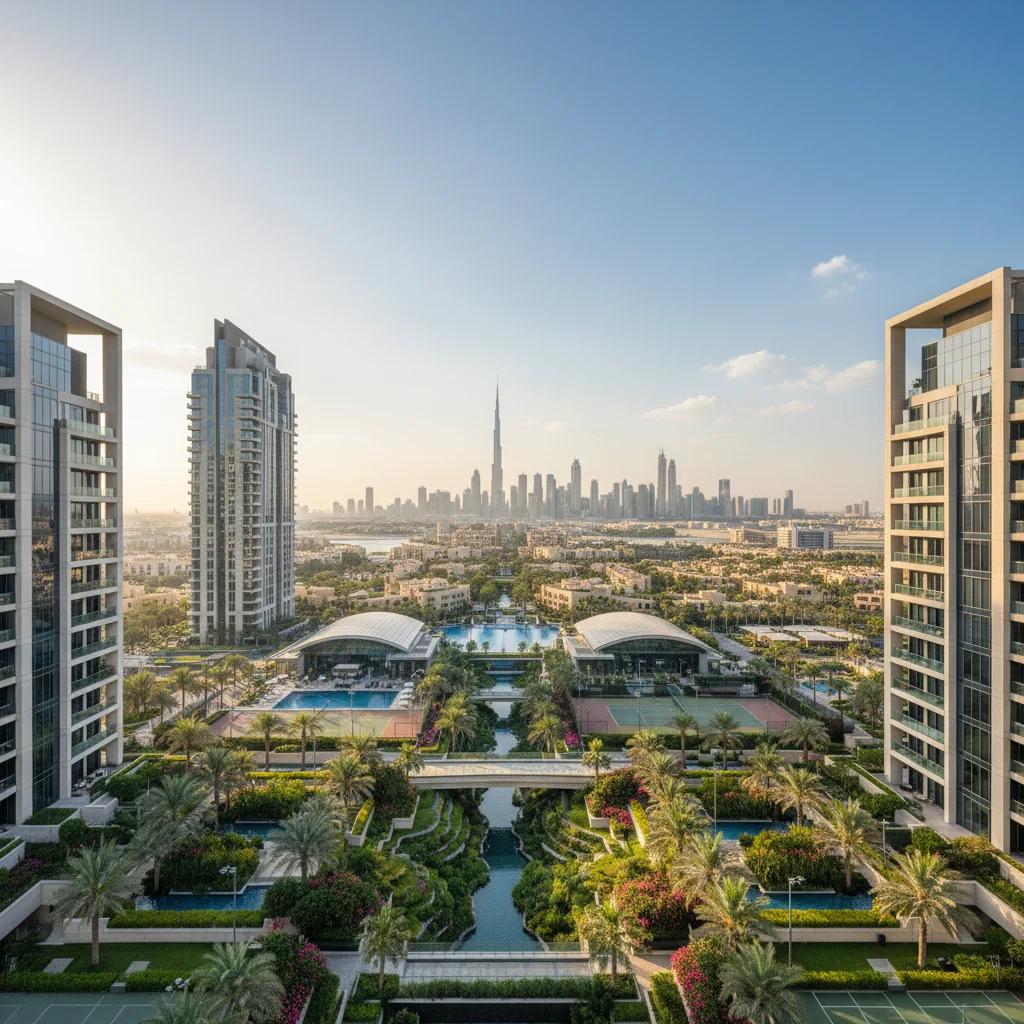
Dubai Real Estate – Comprehensive Guide for 2024 Investors
- Dubai Real Estate: An Overview of the Market Landscape
- Key Investment Areas and Emerging Property Hotspots in Dubai
- Understanding Property Types and Ownership Options in Dubai
- Navigating Legal and Financial Requirements for Buying Property in the UAE
- Lifestyle and Infrastructure: What Living in Dubai's Key Districts Offers
- Market Outlook: Trends and Future Prospects for Property Investors
- FAQs
Dubai real estate offers a dynamic market landscape full of investment opportunities and insightful trends. This guide covers essential topics for investors eager to navigate the property scene in Dubai for 2024.
Dubai Real Estate: An Overview of the Market Landscape
The dubai real estate market has shown resilience and adaptability, attracting both local and international investors. Key factors shaping the landscape include regulatory changes, economic stability, and sustained demand for quality properties. In 2024, the market continues to experience growth, driven by a mix of luxury developments and affordable housing projects.
Investment trends indicate a shift toward sustainable and family-oriented developments, with an increased focus on community living. Buyers are increasingly discerning, looking for properties that offer a blend of amenities and access to green spaces. This evolving preference highlights the importance of developers aligning with these expectations to remain competitive.
Foreign ownership regulations have also evolved, making it easier for non-UAE residents to invest. Initiatives such as longer residency visas linked to property purchase are attracting buyers looking for stable investments in the region. This positive change supports the vision of making Dubai a global hub for business and leisure, enhancing its appeal as a desirable destination.
Ongoing developments in infrastructure, including transportation networks and public amenities, further contribute to the market's vibrancy. Prospective investors can browse available properties for sale to capitalize on the opportunities that arise from these advancements.
The dynamics of the property market remain encouraging for investors looking for growth and profitability. With a strong regulatory framework and a diverse portfolio of properties, the market is positioned well for future expansion, making it a critical area of interest for those seeking real estate investments in 2024.
Key Investment Areas and Emerging Property Hotspots in Dubai
Investing in dubai real estate requires a keen awareness of the most promising locations. Neighborhoods like Dubai Marina and Downtown Dubai continue to attract not just end-users but savvy investors looking for growth opportunities.
Dubai Marina, with its waterfront views and proximity to major attractions, remains a prime location. The area enjoys vibrant nightlife, a range of dining options, and a strong rental market, making it particularly appealing to buy-to-let investors. Recent trends show a steady increase in property values, underscoring its status as an investment hotspot.
Downtown Dubai also holds significant allure due to landmarks such as the Burj Khalifa and Dubai Mall. This neighborhood not only boasts high-end retail and entertainment options but continues to see an influx of tourism. For investors, the strong demand for short-term rentals here can yield impressive returns.
In addition to these well-established areas, neighborhoods like Dubai Creek Harbour are emerging as essential investment destinations. This area is notable for its expansive waterfront developments, providing a fresh take on luxury living. As construction progresses, many expect property prices to rise, driven by both local and international interest.
For those keen on exploring market trends in Dubai, resources such as price history reports can provide valuable insights into fluctuations and potential investment strategies.
A mix of established and emerging neighborhoods forms the backbone of the property market. Investors looking to take advantage of upcoming trends should consider these areas for their diverse offerings and potential for growth.
Understanding Property Types and Ownership Options in Dubai
Variations in property types significantly influence dubai real estate investment decisions. Investors typically encounter two principal ownership structures: freehold and leasehold. Freehold properties grant buyers complete ownership of the unit and the land it sits on, making them a popular choice among foreign investors. In contrast, leasehold properties allow ownership for a specified period, usually up to 99 years, appealing to those seeking long-term residency without the commitment of full ownership.
The types of units available in Dubai range from villas and townhouses to apartments. Each offers distinct benefits. Villas provide privacy and outdoor space, catering mostly to families. Townhouses create a balance between space and maintenance, often appealing to those who desire a community feel without completely sacrificing independence. Apartments, particularly popular in urban areas, offer various configurations and price points, making them suitable for a wide range of buyers.
When choosing a property type, investors should assess lifestyle and financial goals. Villas and townhouses may come with higher upfront costs and maintenance responsibilities, while apartments usually provide less space at a lower initial price. Notably, investors should consider potential rental yields and property appreciation, with some property segments demonstrating better growth indicators than others.
Understanding these property types and ownership options is crucial for navigating the dynamic the property market. Investors can benefit from consulting with local experts to gain insights into market trends and property regulations, ensuring their investments align with both personal and financial aspirations.
Navigating Legal and Financial Requirements for Buying Property in the UAE
Navigating the legal and financial requirements for purchasing property is essential for investors in dubai real estate. Each step of the process has specific regulations and guidelines that buyers must adhere to, ensuring a secure investment.
The legal landscape includes various ownership structures, such as freehold or leasehold properties. Freehold allows full ownership of the property and land, while leasehold typically restricts ownership for a predetermined number of years. Understanding these terms is vital for making informed decisions.
Visa options are linked to property investments in Dubai, with several routes available for foreign investors. Purchasing property above a specific value may qualify buyers for a residence visa. This not only provides the right to live in the UAE but can also enhance long-term investment strategies by facilitating easier management of the property.
Financial considerations include understanding the payment structure associated with property purchases. Buyers typically pay a percentage of the total price upon signing the sales agreement, followed by scheduled payments during construction. Additionally, a real estate transaction involves various fees, such as registration and service charges, which should be factored into budgeting.
Employing a local real estate lawyer is advisable to navigate the complexities involved. They can provide guidance on legal documents, help with due diligence, and ensure compliance with relevant laws and regulations. This step adds an essential layer of security, especially for first-time buyers in a foreign market.
Investors should also keep informed on market trends and updates in the regulatory framework. Changes in laws related to property ownership or financial strategies can impact investment returns. Staying proactive will help in making strategic decisions and capitalizing on opportunities in the the property market.
Lifestyle and Infrastructure: What Living in Dubai's Key Districts Offers
Living in Dubai's key districts offers a unique blend of lifestyle benefits and robust infrastructure, making it a crucial consideration for prospective buyers. In the evolving landscape of dubai real estate, understanding how these aspects influence daily life can significantly enhance property selection.
Transportation connectivity is a pivotal element of living in these neighborhoods. Many residential areas are serviced by an extensive public transit network, including metro, tram, and bus systems, allowing easy access to major business hubs, shopping centers, and entertainment venues. This accessibility helps in reducing commuting time and enhances the overall quality of life for residents.
Amenities play a vital role in the attractiveness of residential neighborhoods. Many districts boast nearby parks, gyms, and community centers, fostering an active lifestyle. Proximity to schools and healthcare facilities also adds convenience for families, enabling them to meet their daily needs effortlessly.
Infrastructure development continues to evolve in Dubai, with ongoing projects aiming to enhance connectivity and living standards. New roads, bridges, and facilities are constantly under construction, aimed at bettering the real estate landscape and ensuring that these districts remain appealing to both residents and investors alike.
Understanding these factors can empower buyers to make informed decisions about their property investments. Living in a well-connected area not only contributes to a higher standard of living but also represents a sound investment strategy in the dynamic landscape of Dubai's real estate market.
Market Outlook: Trends and Future Prospects for Property Investors
The current landscape of dubai real estate is shaped by a combination of factors that influence demand and supply in the market. Investors should closely follow the patterns in property demand as Dubai continues to attract both expatriates and local buyers.
Upcoming developments are integral to understanding market shifts. Key projects set to launch in the upcoming years are likely to boost the market, providing high-quality residential and commercial properties. Monitoring these developments can present unique investment opportunities for those looking to capitalize on the growth.
Understanding the rental market is crucial for investors. Many potential buyers consider rentals as their first step before committing to a purchase. Owners of rental properties can anticipate strong tenant demand, which is beneficial for those seeking consistent rental income.
Price trends are also a vital aspect to analyze. Although specific price movements can vary by location, an overall comparative analysis can help identify the best areas for investment and where potential growth can be expected. Being proactive in this analysis will assist investors in making informed decisions.
The market outlook for the property remains optimistic. With new developments on the horizon and steady demand, 2024 is poised to be a strategic year for investors. Identifying where to invest will lead to successful outcomes for those who navigate the landscape thoughtfully.
Investing in the Dubai real estate market presents unique opportunities for informed buyers. This comprehensive guide covers everything from market trends to legal requirements, ensuring you make confident choices. With a focus on 2024, it's essential to stay updated on the evolving landscape. Explore our insights on Skyloov to find the best property options.


