

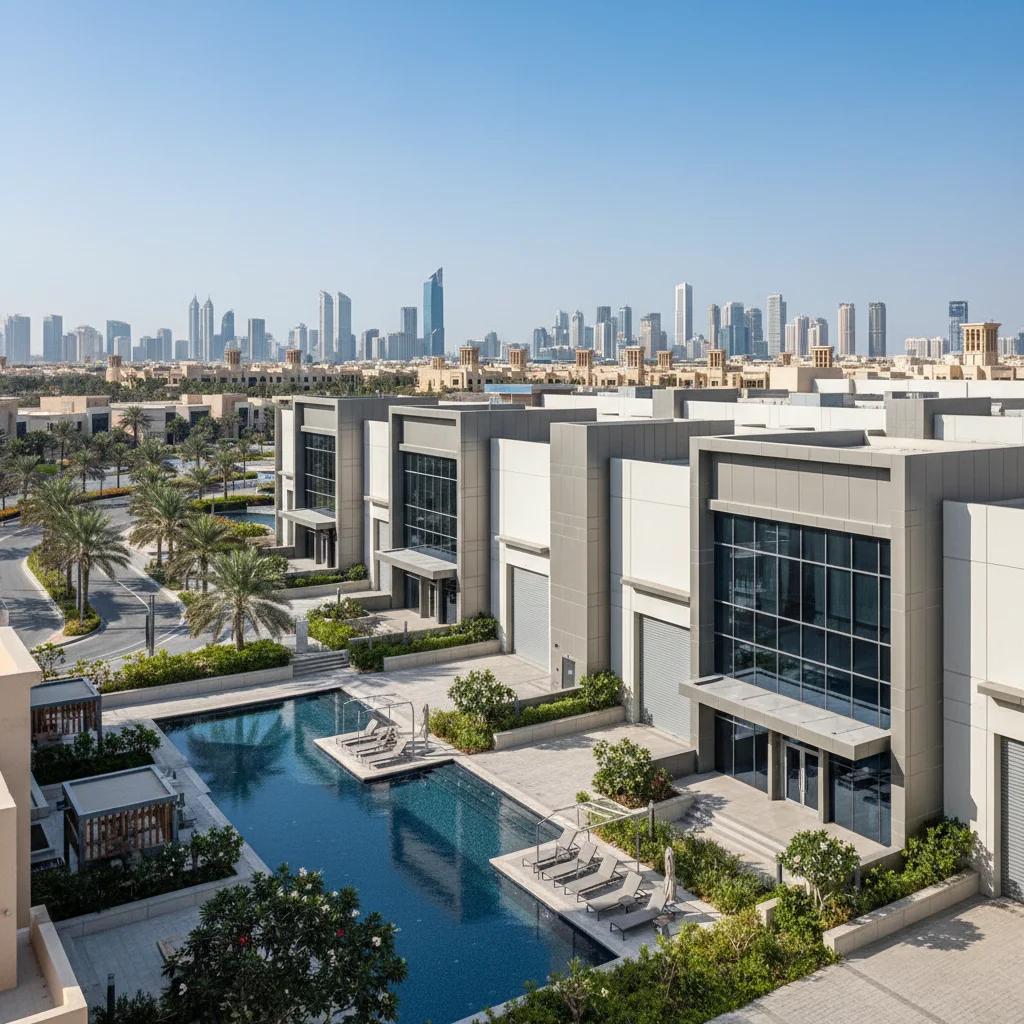
Light Industrial Unit Insights for UAE Businesses
- Light Industrial Unit Overview in the UAE
- Key Features and Facilities of Light Industrial Units
- Light Industrial Unit Locations and Strategic Advantages
- Understanding Licensing and Regulations for Industrial Properties
- Comparing Leasing and Buying Options for Industrial Spaces
- Future Trends Impacting Industrial Business Spaces in UAE
- FAQs
The light industrial unit serves as a pivotal asset for various businesses in the UAE, offering essential space for manufacturing and commercial use. This blog provides critical insights into features, key locations, and the regulatory landscape that affects operations.
Light Industrial Unit Overview in the UAE
A light industrial unit serves as a versatile space for various businesses in the UAE. These units typically accommodate light manufacturing, assembly, warehousing, and distribution activities. Their prime location often near major transport routes enhances their appeal for businesses looking for efficient logistics solutions.
Features commonly associated with these units include high ceilings, loading docks, and flexible floor plans that allow for easy customization. Business owners frequently utilize these spaces for production, storage, and even office operations, making them multifunctional.
The growing demand for the propertys stems from the UAE's focus on diversifying its economy beyond oil dependency. This shift has led to an increase in sectors such as logistics, e-commerce, and manufacturing, prompting businesses to establish operations in these units.
Commonly located in industrial zones such as Jebel Ali, Dubai Investment Park, and other accessible areas, these units are easily reachable for both employees and delivery services. Their strategic positioning enhances operational efficiency while reducing transportation costs.
Several industries choose the propertys for their operations, including logistics companies, small-scale manufacturers, and tech startups looking for affordable space. This type of unit enables businesses to scale operations efficiently without the high overheads associated with larger facilities.
For those interested in exploring options, you can browse available properties for sale that suit your business needs, ensuring you find the right space for your operations.
Key Features and Facilities of Light Industrial Units
Light industrial units in the UAE are designed to accommodate a variety of operational needs, making them ideal for businesses requiring both workspace and logistics support. These units typically feature light industrial unit configurations, which include open floor spaces that facilitate easy movement of machinery and goods.
Many light industrial spaces incorporate mezzanine offices that provide additional administrative capacity without requiring a larger footprint. This setup allows businesses to maximize their operational areas while maintaining an organized work environment for staff.
Utilities in these units are tailored to support various industrial activities. Commonly found amenities include robust electrical systems to power machinery, enhanced ventilation systems for air quality management, and sufficient plumbing to manage water needs effectively. These features are essential for companies in sectors such as manufacturing and logistics.
Locations like Dubai Silicon Oasis and Dubai Science Park are particularly advantageous due to their infrastructure supporting light industrial activities. For more detailed insights into offerings within these parks, including the specifics of unit design and operational capacities, consider visiting industry pages like this informative resource.
Accessibility to major transport routes enhances the appeal of the propertys, as they allow for efficient logistics and supply chain management. Businesses positioned in these units benefit from quick transportation options for receiving and dispatching goods, which can be a critical factor in operational success.
Light Industrial Unit Locations and Strategic Advantages
The UAE's strategic positioning and modern infrastructure make it an ideal hub for light industrial units. Areas such as Jebel Ali Free Zone and Sharjah Airport International Free Zone offer exceptional connectivity for businesses engaged in manufacturing and logistics.
Accessibility plays a crucial role in the effectiveness of operations. Jebel Ali, for example, links to major highways and the region's busiest port, facilitating easy import and export of goods. This direct access to logistics corridors positions businesses optimally for swift distribution.
Another vital location is Dubai Industrial City, which promotes connectivity with surrounding areas and benefits from proximity to transportation hubs. Developers often choose areas like this due to the availability of purpose-built facilities tailored for light industrial use.
Infrastructure support, including skilled labor and essential utilities, enhances the operational efficiency of the propertys. The presence of specialized service providers and workshops in industrial zones can significantly reduce overhead costs for tenants.
Consideration of long-term growth is essential when selecting a location for a the property. Areas with planned expansions, like Dubai South, promise future opportunities, ensuring that businesses can scale operations in alignment with increasing demand.
Choosing the right location not only influences operational efficiency but also affects logistics costs. By strategically positioning their operations in locations with robust infrastructure and amenities, businesses can enhance their logistical capacity and respond swiftly to market changes.
Understanding Licensing and Regulations for Industrial Properties
The regulatory framework surrounding a light industrial unit in the UAE is designed to ensure compliance with various local laws and regulations. Understanding these regulations is crucial for businesses looking to establish or expand their operations within this sector.
Licensing requirements are the first step for businesses to legally operate from a the property. Companies must obtain a valid trade license from the Department of Economic Development (DED) or relevant free zone authority. This license specifies the nature of the business activities permitted within the unit, ensuring that operations align with local regulations.
Permissible uses of the propertys often encompass a range of activities, including manufacturing, assembly, warehousing, and light production. Each emirate may have specific guidelines, and businesses must verify that their intended use aligns with regional planning policies. Compliance with zoning regulations is critical, and potential tenants should consult local authorities to avoid operational challenges.
Safety regulations also play a vital role in maintaining operational standards in industrial properties. Businesses must adhere to health, safety, and environmental laws, which include obtaining necessary approvals from the relevant safety authority. Regular audits and inspections may be required to ensure compliance, preventing legal complications in the future.
Another aspect to consider is the lease agreement, which should clearly outline the terms, duration, and conditions under which the property can be used. Potential tenants should be aware of any restrictions that may apply to their business operations, as well as rights regarding modifications or improvements to the unit.
Navigating the licensing and regulatory landscape is essential for businesses aiming to maximize their opportunities in the UAE's industrial sector. Understanding local requirements, such as those for a the property, will facilitate smoother operations and compliance, ultimately supporting business growth and sustainability.
Comparing Leasing and Buying Options for Industrial Spaces
Evaluating whether to lease or purchase a light industrial unit is critical for businesses operating in the UAE. Each option comes with distinct financial and operational implications that companies must consider in their strategic planning.
Leasing offers flexibility, allowing businesses to adjust their space needs without the long-term commitment associated with buying. Companies can enter into short-term leases that conveniently align with their evolving operational requirements or market demands. This option is particularly valuable for startups and smaller enterprises that may be wary of upfront costs and long-term financial commitments.
On the other hand, purchasing a the property can be a solid investment. Owning the space provides stability and the ability to modify the property to suit specific business needs, including layout and facilities. Additionally, property ownership allows for long-term asset appreciation, which can contribute positively to a company's balance sheet.
Financial considerations also play a significant role in this decision. Leasing typically requires fewer upfront costs compared to buying, which often involves substantial down payments and maintenance costs. Furthermore, leased properties may allow for more predictable monthly expenses, which can aid in cash flow management.
Conversely, owning a unit entails ongoing expenses such as property taxes and maintenance but can lead to reduced operational costs over time, particularly for larger businesses. It's essential for companies to analyze their financial forecasts and operational goals to determine which option aligns better with their long-term vision.
The choice between leasing and buying a the property in the UAE boils down to the unique circumstances of the business, including its size, growth projections, and financial health. Each option offers benefits and challenges that require careful evaluation to make an informed decision.
Future Trends Impacting Industrial Business Spaces in UAE
Technological advancements are reshaping the landscape of industrial business spaces across the UAE. These changes promote efficiency and streamline operations by integrating automation and smart technology into daily functions. A focus on smart logistics solutions exemplifies this trend, allowing businesses to manage inventory and distribution with enhanced accuracy and speed.
Sustainability initiatives are increasingly vital as the UAE aims to position itself as a leader in environmental stewardship. the propertys, for instance, are being designed to incorporate sustainability principles. Businesses are encouraged to adopt on-site renewable energy sources and energy-efficient systems, which not only lower operational costs but also align with national goals for lower carbon emissions.
Economic shifts are another key factor driving changes in the industrial sector. The UAE's economic diversification efforts lead to increased demand for flexible and adaptive industrial spaces. The rise of e-commerce has created a need for warehouses and distribution centers that can respond quickly to consumer demands, emphasizing the importance of a versatile the property.
The trend towards hybrid spaces is also apparent, encouraging businesses to consider multifunctional layouts. As companies look to optimize their use of space, units that can serve dual purposes, blending warehousing and office environments, become more appealing. This flexibility can foster collaboration and innovation within industries.
Investors should take note of these trends, as they signal the evolving nature of business operations in the UAE. By investing in properties that accommodate technological integration and sustainable practices, stakeholders can position themselves for future growth and align with the UAE’s long-term vision for the industrial sector.
Understanding light industrial units is crucial for navigating the UAE's competitive business environment. With the right knowledge, businesses can maximize their operational efficiency and strategic placement. The unique opportunities presented by various locations can significantly enhance business growth. Explore more insights and properties with Skyloov to find the perfect fit for your business needs.


