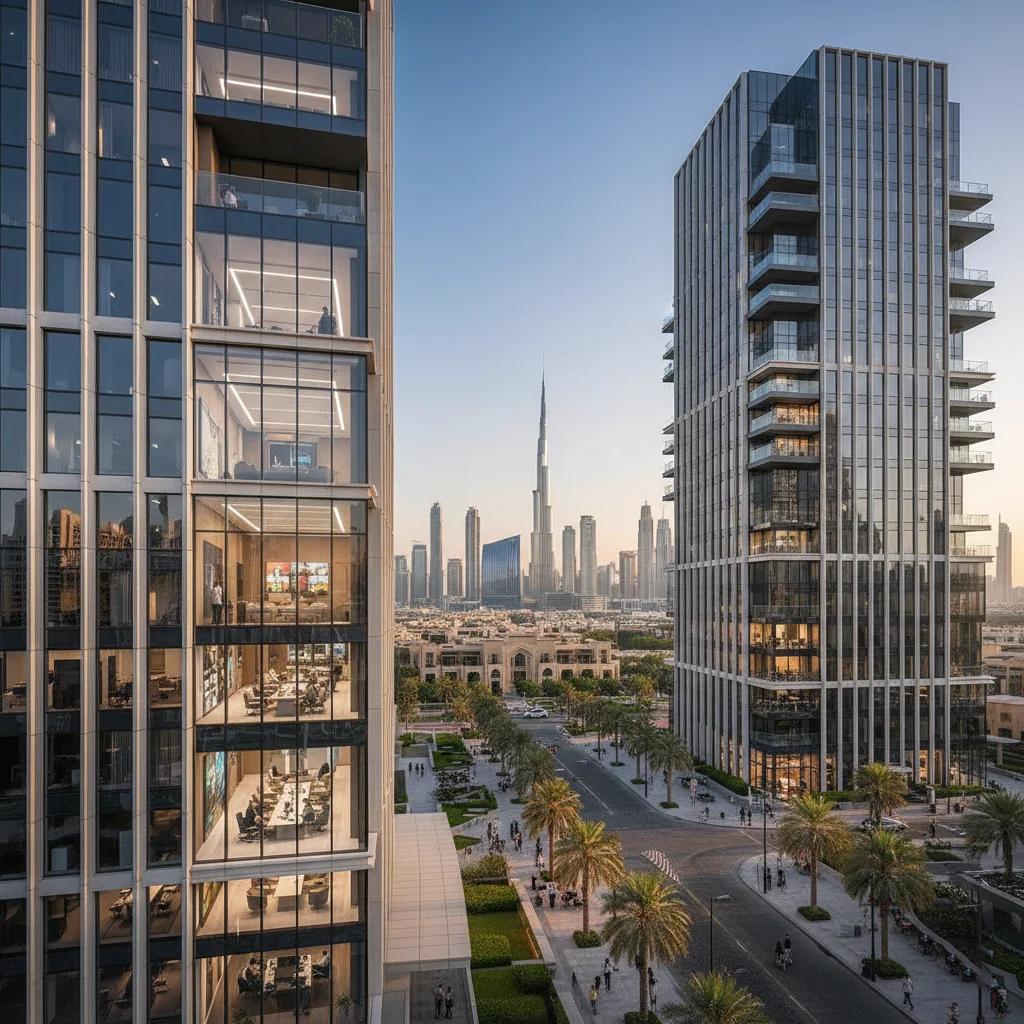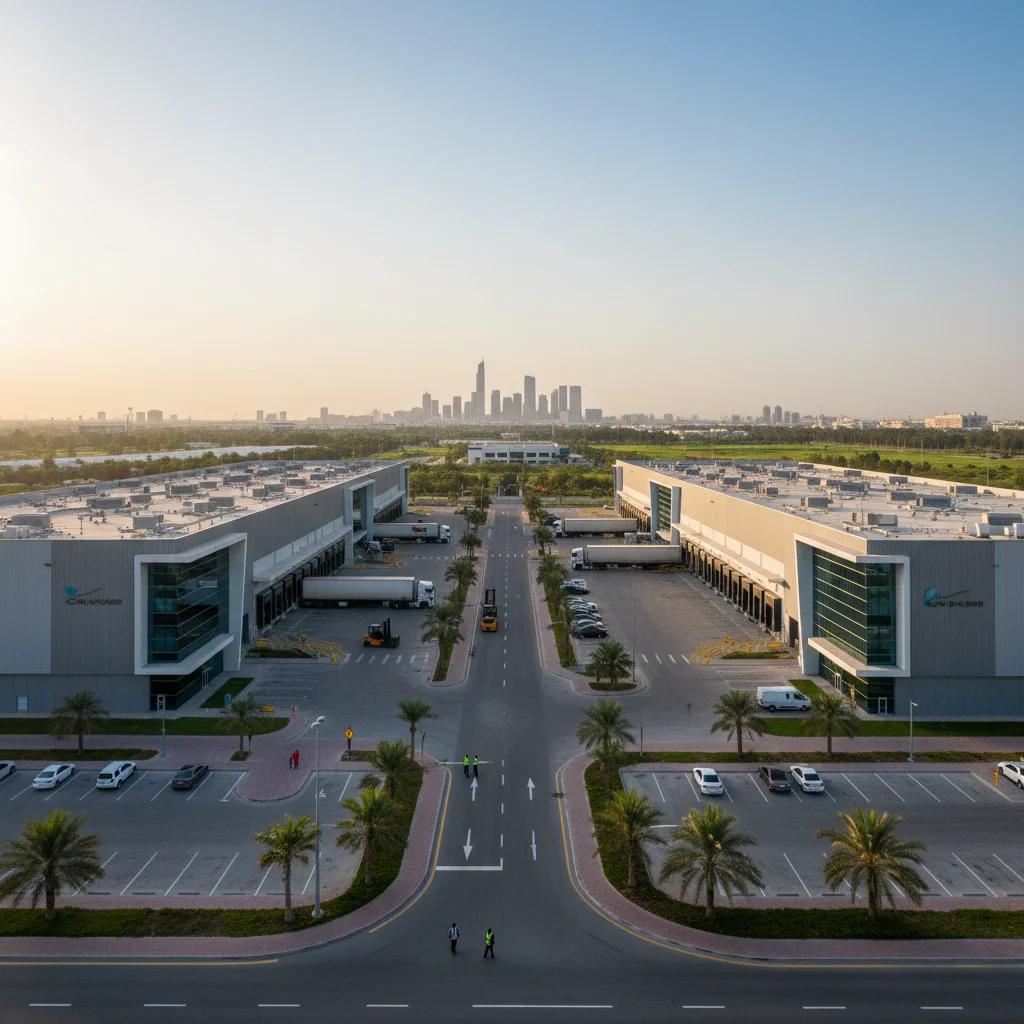
Commercial Warehouse For Rent in Dubai
Finding the right commercial warehouse for rent in Dubai can make a big difference in how your business operates. So, if you need space for storage, logistics, or light manufacturing, Dubai offers plenty of options to match your goals. This guide helps you understand everything from costs and locations to legal requirements and key features before making your decision.
What is a Commercial Warehouse?
A commercial warehouse is a large storage space built for business use. It’s not just about stacking boxes; it’s a place where you can store goods, manage shipments, or even handle light manufacturing.
When you choose a commercial warehouse for rent in Dubai, you get access to features like loading areas, storage zones, office space, and security systems that keep your operations organized. These spaces are designed for businesses that need structure and accessibility rather than a small retail or office unit.
Many types of businesses rent warehouses from online stores and distributors to logistics providers and construction companies. They’re ideal for storing products, managing deliveries, or serving as distribution points.
Best Locations for Commercial Warehouse For Rent in Dubai
When you’re choosing a commercial warehouse for rent in Dubai, your location choice can greatly impact how smoothly your business runs. The right warehouse in Dubai depends on what you do, how you transport goods, and how much space you need.
Here’s what you should keep in mind:
- If you rely on quick deliveries, choose a warehouse with easy access to highways, ports, or airports.
- If you need extra space for production or storage, consider locations farther from the city where rent is lower.
- If clients visit your site often, pick a spot closer to central areas.
- If logistics are your focus, look for areas with strong transport connections and truck-friendly roads.
How Much Does a Warehouse Cost in Dubai?
The cost of a commercial warehouse for rent in Dubai varies depending on several factors. The size of the space, the location, and the facilities available all influence the rental price.
A smaller warehouse with basic storage features will naturally cost less than a fully equipped facility with offices, parking, and loading docks. Utility costs, service charges, and DEWA (electricity and water) fees may also add to your monthly expenses.
Before you sign a contract, ask the landlord or agent to break down all costs including maintenance and taxes so you can calculate the full price and avoid surprises later.
What Are The Three Types of Warehouses?
When you explore options for a commercial warehouse for rent in Dubai, make sure you pick one that matches your operations. For instance, a company handling food products might need cold storage, while a manufacturing unit may require extra ventilation and high ceilings, AND warehouses can be divided into three main categories:
- Storage Warehouses: Mainly used for storing products and materials.
- Distribution Warehouses: Focused on shipping, sorting, and handling deliveries.
- Specialized Warehouses: Designed for temperature-controlled goods, chemicals, or delicate materials.
What is a Commercial Property in Dubai?
A commercial property refers to any real estate used for business purposes rather than personal or residential living. This includes warehouses, offices, and retail units. Choosing a commercial warehouse for rent in Dubai means you’re renting a property that’s officially zoned and licensed for business use.
If you’re not ready to commit long-term, you can also explore an alternative to warehouse in Dubai, such as shared storage spaces or short-term leasing options. It’s crucial to ensure that whatever property you choose is legally approved for your specific type of business activity.
Legal and Licensing Requirements
Before signing a lease, check that the warehouse is properly licensed and authorized for your intended use. Dubai has clear rules about business operations, and certain activities — like manufacturing or storing hazardous materials may require extra permits.
If you’re renting a commercial warehouse for rent in Dubai, make sure your trade license covers the type of work you plan to do. You can verify these details with the property owner or a local agent familiar with Dubai’s commercial leasing laws.
Warehouse Features and Specifications
Every warehouse is different, so pay close attention to the layout and facilities. A good commercial warehouse for rent in Dubai should include features like:
- Loading and unloading areas
- Sufficient parking space
- Office or administrative rooms
- Fire safety systems
- Proper lighting and ventilation
Some warehouses offer advanced options like cold storage or temperature control ideal for businesses handling food or pharmaceuticals. Always inspect the space in person to make sure it meets your specific needs.
How to Find and Rent the Right Warehouse
When searching for a commercial warehouse for rent in Dubai, you can either work directly with property owners or use a real estate agent who specializes in commercial properties.
The process usually involves selecting a property, reviewing the terms, submitting your trade license, and signing the tenancy agreement. Always read the fine print carefully it’s better to ask questions upfront than face legal issues later.
Why Rent Instead of Buy?
Renting gives you flexibility, especially if your business is still growing. Buying might seem tempting, but it requires a large upfront investment and long-term commitment.
A commercial warehouse for rent in Dubai lets you scale up or down as your needs change. This is especially useful if you’re testing new markets or adjusting your logistics operations.
If stability and ownership are your long-term goals, you can always explore the option of buying later but for many, renting is the smarter move in the early stages.
Tips Before Signing the Lease
Before finalizing your commercial warehouse for rent in Dubai, take a moment to review every detail. A careful check now can save you from costly issues later.
Here’s what you should do:
- Inspect the warehouse for any damage or safety concerns.
- Verify utilities like electricity, water, and internet are properly connected.
- Review the lease terms to understand rent, duration, and renewal options.
- Clarify responsibilities for maintenance, repairs, and insurance.
- Negotiate when possible landlords may agree to better terms or added benefits.
- Keep copies of all documents, including payment receipts and approvals.