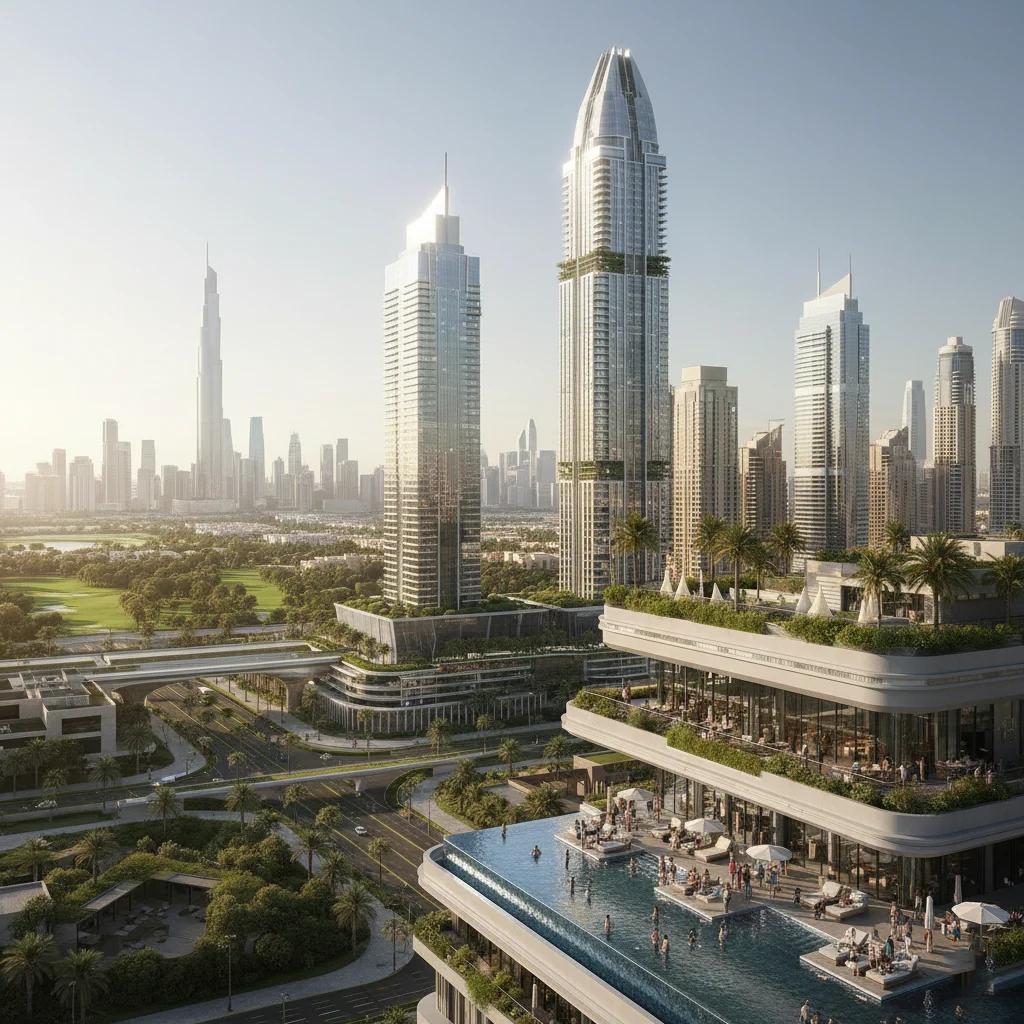
Dubai 2030 Vision: Inside the Future of the Dubai Hotel Market Forecast 2025–2030
A Decade That Will Redefine Dubai’s Hospitality Landscape
The Dubai hotel market forecast 2025–2030 marks one of the most transformative chapters in the city’s hospitality evolution. Dubai is no longer just a travel destination, it’s a strategic global hub for tourism, real estate, and investment.
As the emirate aligns its hospitality goals with the Dubai 2040 Urban Master Plan, it’s preparing for an era defined by innovation, sustainability, and luxury experiences. Investors, developers, and operators alike are entering a decade where hotel performance, guest expectations, and returns will reach new heights.
From AI-driven guest personalization to eco-smart architecture, the next few years will reshape how hotels operate, and how investors grow their portfolios.
What Will Drive the Dubai Hotel Market Forecast 2025–2030
Tourism Expansion and Global Connectivity
Dubai’s strength lies in its unmatched connectivity and visitor appeal. With continued airline expansion through Emirates and FlyDubai, the city will see sustained growth in international arrivals.
Occupancy rates are expected to remain consistently above 80%, making Dubai one of the most stable and high-performing hospitality markets in the world.
Economic Diversification and Expo Legacy
Post-Expo 2020 investments have accelerated Dubai’s transition into a knowledge-driven economy.
Districts like Dubai Media City (DMC) and Dubai Production City (IMPZ) now attract global corporations and long-stay professionals, driving steady hotel demand year-round.
Branded Residences and Hybrid Hospitality
A defining trend within the Dubai hotel market forecast 2025–2030 is the rise of branded residences and hybrid hotel-apartment models. These offer investors consistent income and guests a blend of comfort and premium service, a formula that’s reshaping Dubai’s luxury investment scene.
Hotel Supply and Occupancy Trends: What Investors Should Expect
Balanced Growth Across Luxury and Mid-Scale Segments
While Dubai remains known for its five-star dominance, the coming years will bring greater diversification.
Mid-scale and lifestyle hotels are gaining momentum, attracting travelers who value affordability and authenticity. Communities such as Al Warqaa and Al Quoz are expected to benefit most from this expansion.
Occupancy and Revenue Growth Outlook
Dubai’s hotel inventory is projected to surpass 160,000 keys by 2030, with occupancy averaging 80–85% and RevPAR increasing 4–6% annually.
Even with rising supply, Dubai’s diversified visitor base, spanning leisure, MICE, and long-stay markets, ensures sustainable profitability.
Key takeaway: Hotels that balance operational efficiency with distinct guest experiences will dominate returns.
How Sustainability and Technology Will Shape Dubai Hotels by 2030
Green Hospitality and Eco-Smart Innovation
Sustainability is no longer a trend; it’s a growth engine. The Dubai Clean Energy Strategy 2050 is pushing developers toward renewable energy, smart water systems, and eco-conscious designs.
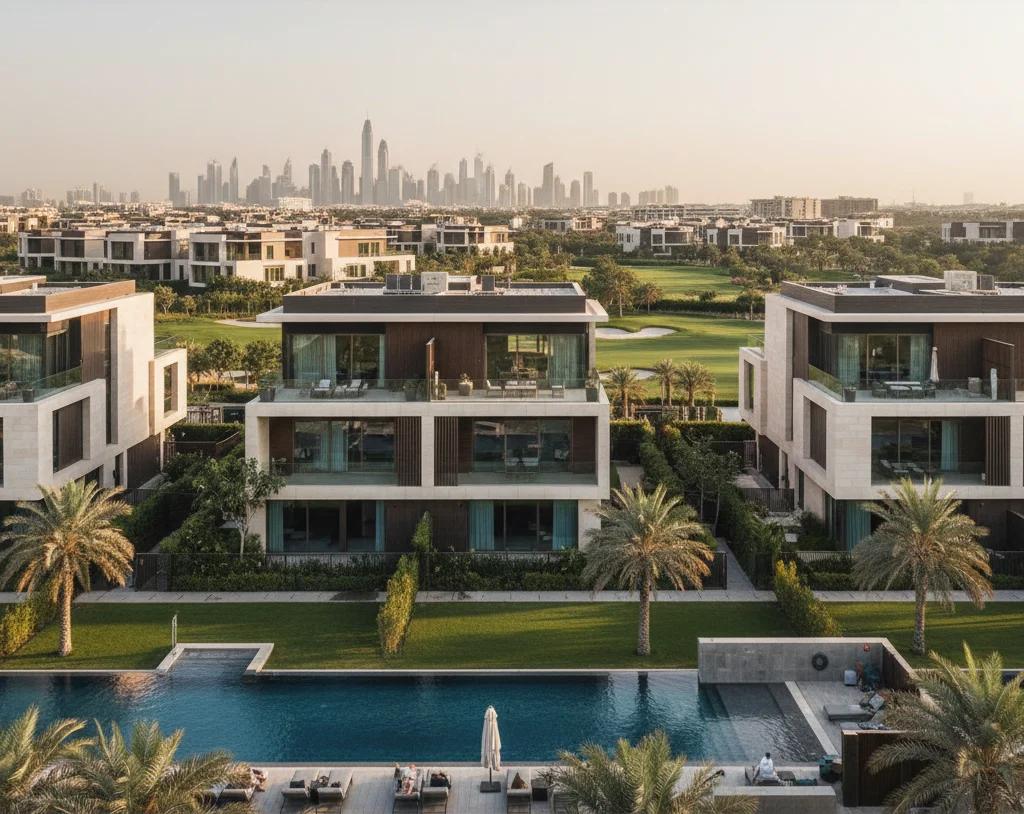
Luxury communities like Damac Hills are leading by example, integrating solar energy, green landscaping, and efficient cooling systems that reduce costs while appealing to eco-minded guests.
Smart Technology and Guest Personalization
Hotels across Dubai are embracing AI, IoT, and data analytics to create seamless guest journeys.
In technology-focused districts such as Dubai Media City (DMC), fully digitalized hotel experiences, from smart check-ins to predictive concierge services, will define the next generation of hospitality excellence.
Investment Outlook for Dubai’s Hotel Market 2025–2030
Emerging Hotspots for Investors
Dubai’s expanding communities are opening new opportunities for strategic investors:
- Dubai Production City (IMPZ) – a mixed-use hub ideal for serviced hotel developments.
- Al Qusais – well-connected and increasingly popular for mid-range and budget hotel operations.
- Al Warqaa – affordable, growing, and ideal for hotel-apartment hybrids near residential clusters.
High-End Districts Maintaining Premium Value
Established communities like Damac Hills remain investment favorites. Branded hotels here deliver higher GOPPAR and capital appreciation due to consistent tourist demand and premium positioning.
Key Investment Trends to Watch
- Expansion of extended-stay models for digital nomads and professionals.
- Entry of institutional investors and REITs, adding transparency and liquidity.
- Brand collaborations merging international standards with Dubai’s cultural identity.
Tourism Vision 2030 — The Roadmap Behind the Forecast
Dubai’s Tourism Vision 2030 reinforces its goal to be among the world’s top three destinations.
Core initiatives include:
- Expanding entertainment, retail, and lifestyle attractions.
- Promoting sustainable, tech-enhanced tourism infrastructure.
- Encouraging longer guest stays and higher per-visitor spending.
These initiatives ensure Dubai’s hospitality growth remains both profitable and environmentally sustainable.
Challenges and Opportunities Ahead
Rising Competition and Market Differentiation
As new hotels enter the market, the challenge lies in standing out. Boutique, wellness, and themed properties that deliver unique experiences will outperform generic offerings.
Talent and Service Excellence
Dubai’s investment in hospitality education ensures a pipeline of skilled professionals capable of maintaining world-class service — a crucial differentiator in competitive markets.
Hotel-Apartment Hybrids as Long-Term Winners
Hotel apartments combining private ownership with managed hospitality are increasingly popular. They deliver stable returns with minimal operational burden, especially in Dubai Media City (DMC) and Damac Hills.
Future Outlook: Beyond 2030 — Dubai’s Next Hospitality Era
Looking beyond the Dubai hotel market forecast 2025–2030, the city’s hospitality scene is expected to evolve into a hyper-connected, experience-driven ecosystem.
The Rise of Experiential and Wellness Hospitality
Guests are no longer seeking just a room; they’re seeking a story. Expect to see wellness-focused resorts, art-inspired hotels, and cultural retreats emerge in Al Quoz and Al Warqaa — each offering immersive local experiences.
Predictive and Autonomous Operations
By the late 2020s, hotels will use AI-driven systems that autonomously manage energy, pricing, and guest flow, optimizing efficiency and profit margins. Dubai will set the global benchmark for smart hospitality integration.
New Avenues for Global Investors
Dubai’s investor-friendly ecosystem, freehold ownership, zero income tax, and strategic location, ensures sustained interest from international capital.
Assets in Dubai Media City (DMC) and Dubai Production City (IMPZ) are expected to see significant appreciation in both yields and resale value.
Forecast Summary — Key Numbers at a Glance
- Hotel inventory: Over 160,000 keys by 2030
- Average occupancy: 80–85%
- RevPAR growth: 4–6% annually
- Top segments: Hybrid, extended-stay, and mid-scale hotels
In essence, the Dubai hotel market forecast 2025–2030 is a story of innovation, resilience, and opportunity, positioning the city as a global leader in sustainable hospitality investment.
Conclusion | Ready to Invest in Dubai’s Hospitality Future?
Dubai’s hospitality transformation is accelerating faster than ever.
With strong fundamentals, visionary planning, and unmatched tourism demand, this is the ideal decade to enter, or expand within the hotel investment market.