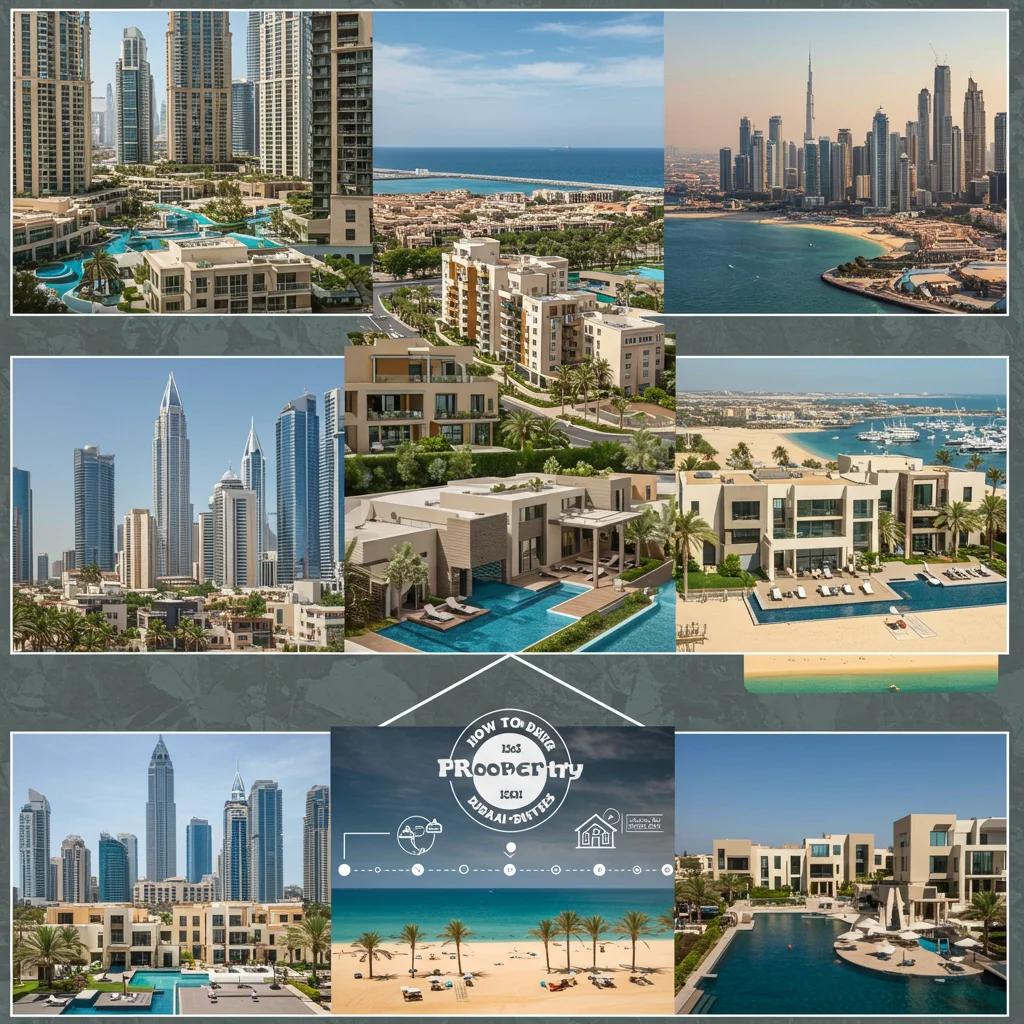
How To Buy A Property In Dubai
Tired of paying rent and ready to make a lasting investment? In this guide to buying property in Dubai, you’ll learn how to buy property in Dubai step by step. Whether you’re a first-timer or an investor scouting prime areas, understanding the process for buying property in Dubai is key. In the next few minutes, we’ll cover what you need to know about how to purchase property in Dubai, from eligibility and budget to handover and title deed.
Dubai’s real estate market draws buyers with its tax-free income, modern infrastructure, and steady capital appreciation. But navigating regulations, payment plans, and developer offers can feel overwhelming. This introduction and overview lays out:
- Why foreign buyers flock to Dubai
- Main routes: ready property vs. off-plan
- Key legal terms, like freehold and leasehold
- Core steps for buying real estate in Dubai
By the end, you’ll see the big picture behind “how to buy properties in Dubai” and feel ready to dive into each phase with confidence.
Why Dubai property makes sense
• Tax-free rental yields up to 8–10%
• Flexible payment plans on off-plan units
• Investor visa eligibility for AED 750 000+ purchases
• World-class schools, healthcare, and transport
These perks set the stage. But benefits aside, you need clarity on:
- Eligibility and financing – Do you qualify for a mortgage? What deposit is needed?
- Area selection – Which districts match your lifestyle and ROI goals?
- Legal and paperwork – How to get your No Objection Certificate and register with the Land Department.
- Closing and handover – What fees, checks, and final documents seal the deal?
In this full guide, we’ll unpack each phase in plain English. You’ll discover tips on purchasing properties in Dubai, avoid common traps, and spot the best way to buy property in Dubai without overpaying or missing a step. Ready to explore? Let’s move on to the eligibility requirements and financing options that pave your path to ownership.
When you explore how to buy property in Dubai, one of the first decisions is choosing an ownership model and the type of unit that fits your lifestyle or investment plan. This guide to buying property in Dubai breaks down the main options—freehold vs leasehold—and walks you through off-plan vs ready units, plus the most common property categories.
Ownership models: freehold vs leasehold
- Freehold
You own both the unit and the land indefinitely. You can sell, rent, or modify the property as you like. Most expats opt for freehold in areas like Dubai Marina or Downtown Dubai. - Leasehold
You gain rights to the property for up to 99 years but not to the land. Ideal if you want lower upfront costs, though you’ll need landlord approval for major changes. - Usufruct (less common)
Grants use and profit rights for up to 99 years without full title. You can’t alter the structure, but you secure a long-term stake.
Off-plan vs ready property
Deciding between off-plan and ready units ties directly into how to purchase property in Dubai:
- Off-plan
• Lower entry price and phased payments
• Higher risk of delays or plan changes - Ready (secondary market)
• Instant handover and clear title
• Often higher price and limited payment flexibility
Property categories and what to expect
| Property type | Starting price (AED) | Average rental yield |
|---|---|---|
| Apartment | 900,000 | 6.0% |
| Townhouse | 1,500,000 | 5.5% |
| Villa | 2,500,000 | 5.0% |
Apartments suit singles and small families. Townhouses strike a balance with extra space and shared amenities. Villas deliver privacy, private gardens, and often come with gated-community benefits.
Tips on purchasing properties in Dubai
• Align your choice with your visa plans—freehold owners can qualify for a 5- or 10-year residency visa.
• Match payment plans to your cash flow—off-plan lets you spread out costs.
• Check service charges—villa communities often carry higher maintenance fees than high-rise apartments.
By weighing freehold vs leasehold and comparing off-plan vs ready units, you’ll narrow down the best approach. Next, we’ll cover financing options and legal steps to finalise your purchase in Dubai.
Required documents, fees and registration steps
When you’re learning how to buy property in Dubai, having the checklist for required documents, fees and registration steps at hand makes the process smoother. In this guide to buying property in Dubai, you’ll see exactly what paperwork you need, the common fees you’ll face, and the key steps to register your new home or investment.
1. Key documents to prepare
Before you visit the Dubai Land Department (DLD) or a trustee office, gather:
- Valid passport copy (with residence visa page if you’re an expat)
- Emirates ID (for UAE residents)
- No Objection Certificate (NOC) from the developer
- Signed Form F (Memorandum of Understanding)
- Proof of payment or deposit receipts
- Power of attorney (if an agent completes the process on your behalf)
Keep copies of bank cheques or electronic transfer confirmations handy. These prove your payment of the purchase price or security deposit.
2. Breakdown of typical fees
When you buy property in Dubai, expect to cover fees that might add 5–7% to the purchase price. Common fees include:
| Fee type | Rate / Amount |
|---|---|
| DLD registration fee | 4% of property value |
| Trustee office service charge | AED 420–550 |
| Title deed issuance | AED 250 |
| Mortgage registration (if applicable) | 0.25% of loan amount + AED 290 admin |
| NOC fee (developer) | AED 2,000–5,000 |
| Agent commission | 2% of property value (negotiable) |
These rates can vary a bit across off-plan and ready properties, but they give you a clear idea of what to budget.
3. Step-by-step registration process
- Sign the Sale Agreement (Form F)
Sit down with the seller or developer to agree on terms. Sign Form F and pay your 10% deposit. - Obtain the NOC
Head to the developer’s sales office. Settle any outstanding service charges, and secure the No Objection Certificate. - Visit a Trustee Office
Bring all documents, cheques, NOC and signed Form F. The trustee will verify paperwork, calculate DLD fees, and prepare the title deed application. - Pay DLD and trustee fees
Use a manager’s cheque or bank transfer to cover the registration fees. - Receive your title deed
Once the DLD approves, you’ll get the official title deed in your name. That completes the process for how to purchase property in Dubai.
Tips for a smooth process
- Double-check that your Emirates ID and passport haven’t expired.
- Ask your real estate agent for fee estimates up front.
- Choose a trustee office close to your property to cut down on travel time.
- Hold on to all receipts for future reference or resale.
Following this process for buying properties in Dubai keeps you organised and confident. With your documents ready, fees covered and registration steps in hand, you’ll wrap up this phase quickly and move on to moving into your new home or listing it for rent.
Financing options for expats and non-residents
When you’re learning how to buy property in Dubai as an expat or non-resident, understanding your financing options is crucial. Banks here offer tailored mortgages, but there are also developer plans and Shariah-compliant products. Let’s unpack the process for buying property in Dubai and find the best way to buy property in Dubai when you don’t hold a UAE passport.
Mortgages from local banks
Most UAE banks will lend to expats and non-residents, though terms differ:
- Emirates NBD, Abu Dhabi Commercial Bank, HSBC and others offer home loans.
- Loan-to-value (LTV) ratios top out at 80% for residents, 75% for non-residents.
- You’ll need a minimum down payment of 20–25%, depending on your visa status.
- Typical tenure runs 5–25 years with fixed or variable rates.
Required documents usually include:
- Copy of passport and valid visa (if resident)
- Salary certificate or proof of income
- Bank statements (3–6 months)
- Property documents (sales agreement, title deed)
Developer payment plans
If you’re buying off-plan, many developers let you spread payments:
- 5–10% on booking, 40% during construction, balance on handover.
- No bank mortgage needed until completion.
- Reduces upfront cash requirements but ties you to project timelines.
Islamic home finance
| Financing type | LTV | Min down payment |
|---|---|---|
| Resident mortgage | up to 80% | 20% |
| Non-resident loan | up to 75% | 25% |
| Developer plan | N/A | 0–10% |
| Islamic finance | up to 75% | 25% |
- Murabaha: Bank buys property then sells it to you at a marked-up price.
- Ijara: Bank leases the property to you, with option to purchase later.