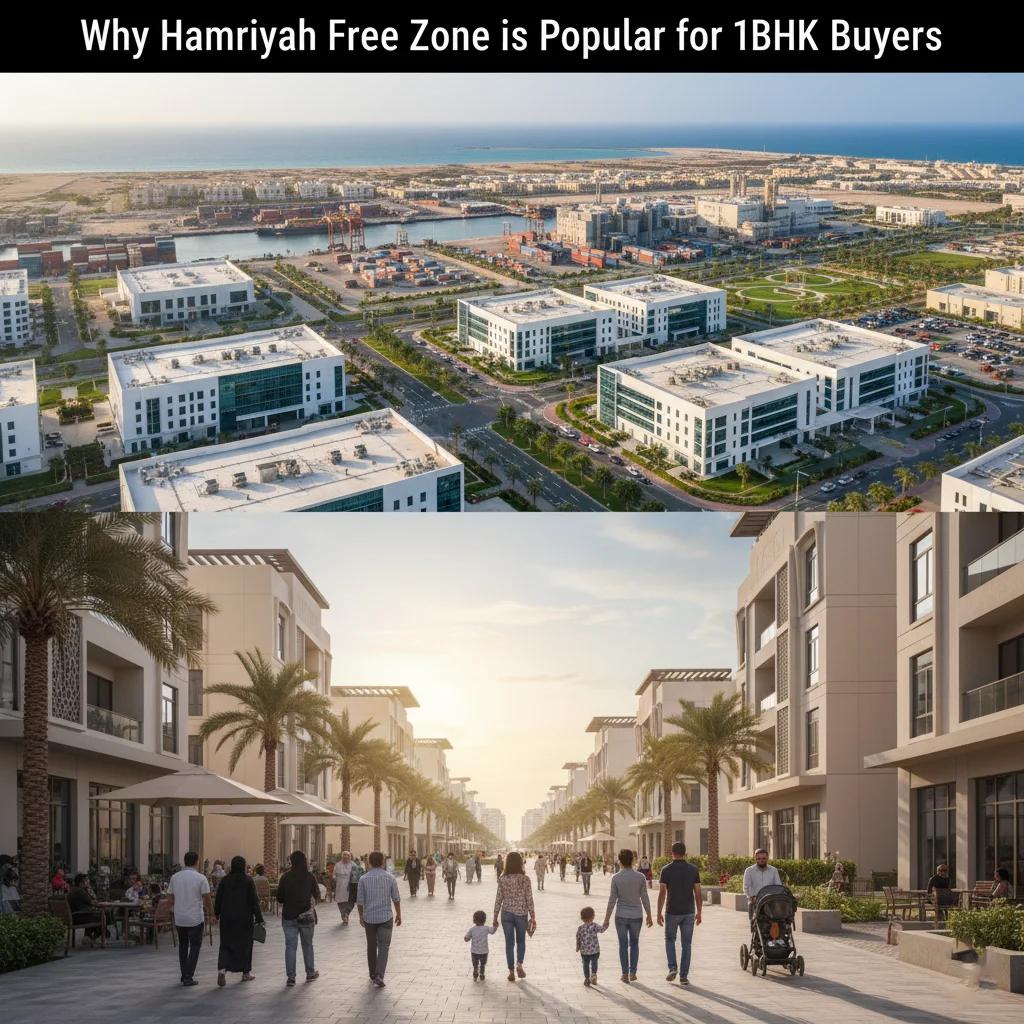
Why Hamriyah Free Zone is Popular for 1BHK Buyers
When you hear that Hamriyah Free Zone (HFZ) is becoming popular among people buying one-bedroom apartments, it’s not just a coincidence. A mix of rising rents across Sharjah, appealing affordability, improving infrastructure, regulatory shifts, and the needs of modern residents are pushing HFZ into the limelight. For many, it’s no longer “just a free zone business area” — it’s a place where living makes sense. Here’s what’s going on, why it matters, and what lessons we can draw.
Rising Rents in Sharjah Are Pushing Demand Outwards
As of mid-2025, apartment rents in Sharjah have risen by 18-25% in many areas during lease renewals. Also, recent reports show that rental prices across the UAE rose roughly 23.6% year-on-year between November 2023 and November 2024. When rent jumps this much, especially in more central or established residential zones, people on moderate budgets or even middle incomes begin to feel squeezed. They either give up certain amenities, accept longer commutes, or look for newer or less central areas. That drives interest in locations like HFZ, which may have been overlooked but offer better “bang for the dirham.”
HFZ Offers More Affordable Price Tags, Especially for 1-Bedroom Units
One of HFZ’s main draws is affordability: 1-bedroom apartments there are significantly cheaper than comparable units in more central Sharjah or Dubai fringe zones. Listings show that in HFZ, residential properties (including 1BHKS) are advertised in a spring of AED ~ 420,000 (lower end) up to ~ AED 2,950,000 depending on size, style, finish. There are few 1-bedroom listings, but the lower bound suggests 1BHKs are well under a million AED, which in many central or prime areas is rare. Also, Sharjah’s freehold areas and zones have prices still generally lower than comparable Dubai areas. For someone planning to buy rather than rent, or to rent out the property later, a lower purchase price means lower monthly mortgage/payments, lower maintenance and fees, or at least less financial stress. Also, it means a potentially higher return on investment if rents are rising in the rest of Sharjah. The “price per square foot / meter” differential is key: even if HFZ is somewhat farther, what you get for your money is more generous.
Infrastructure Growth & Connectivity Make HFZ More Livable
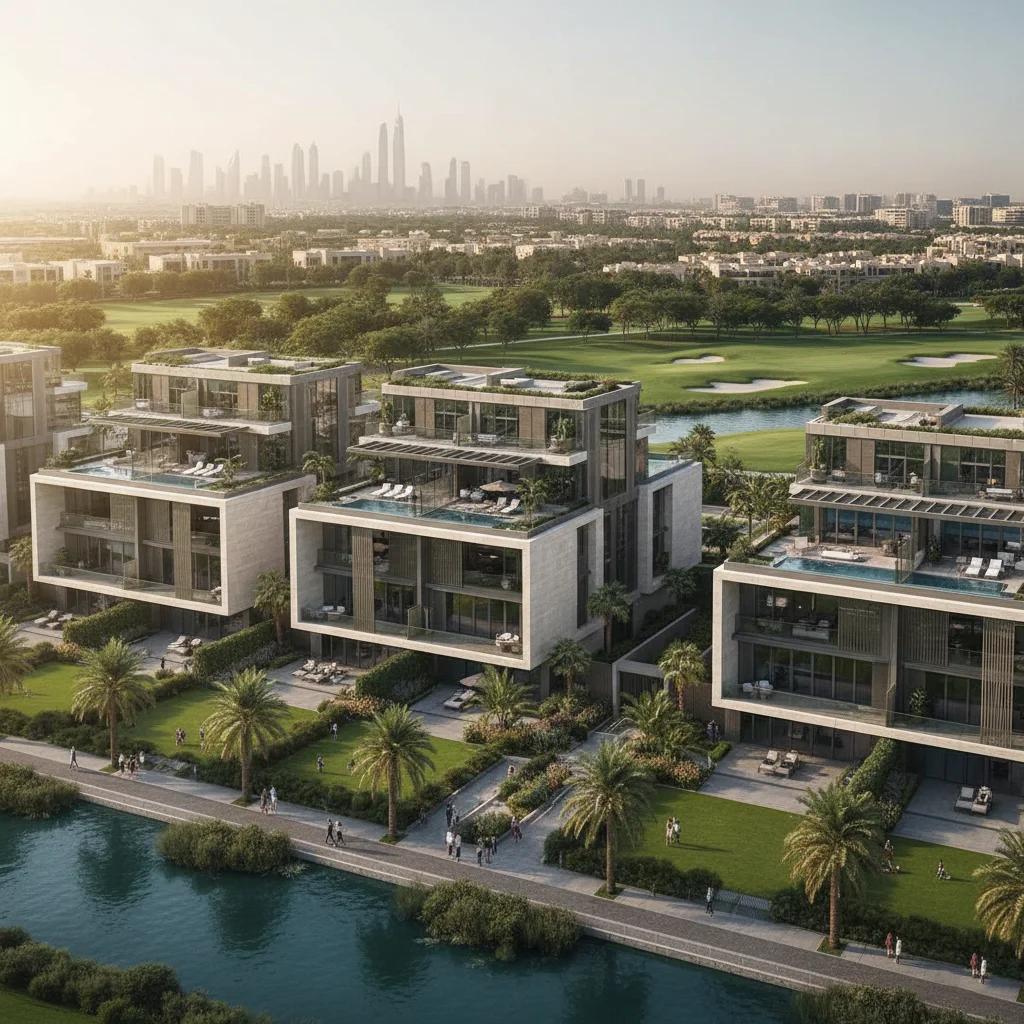
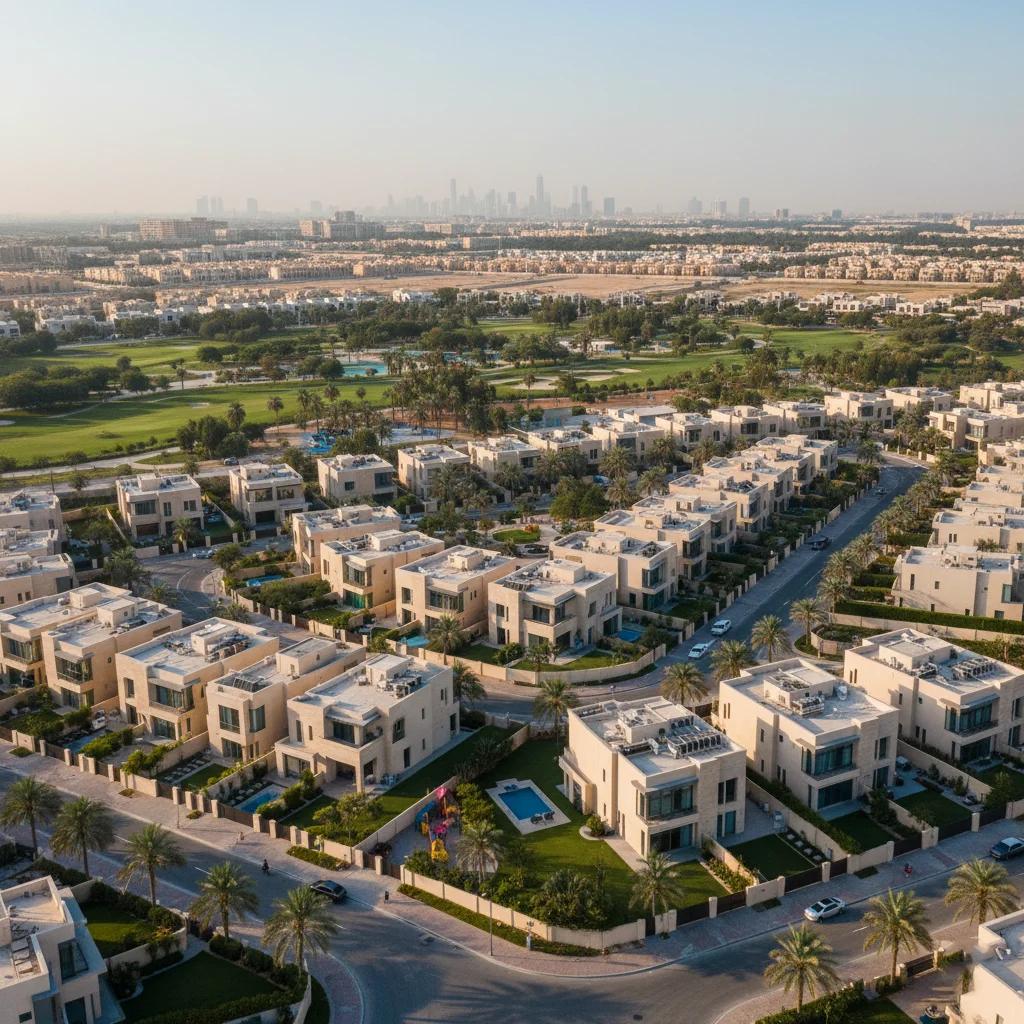
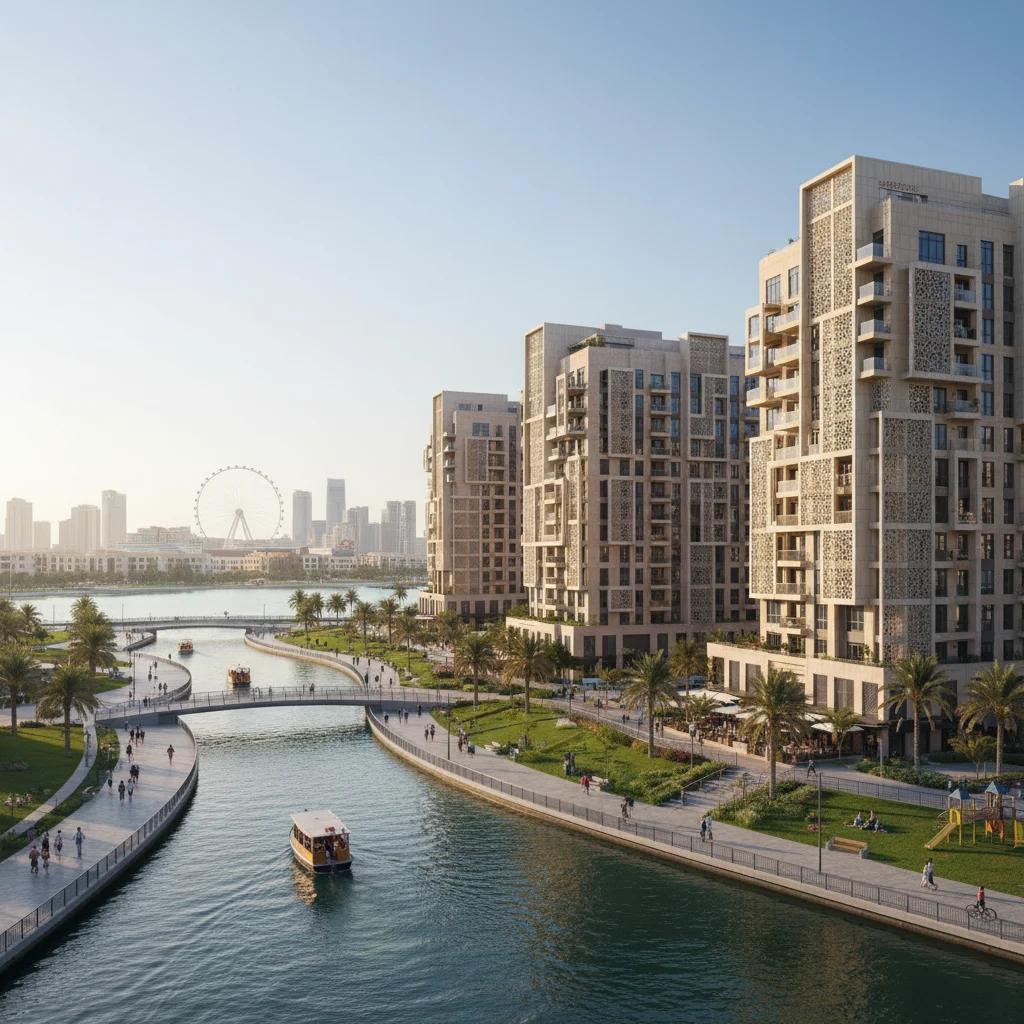
HFZ is becoming more than just an industrial zone; its infrastructure and amenities are improving in ways that make daily life there quite possible and attractive. The Hamriyah area is part of broader Sharjah developments including a large waterfront project, coastal mixed-use zones, and improved road access. Also, Sharjah’s government has introduced reforms and improvements in leasing, registration, and legal protections for properties. The appeal of a 1-BHK isn’t just price — it’s whether you can live there comfortably. That means access to schools, shops, clinics, roads, maybe public transport, and everyday amenities. When these exist, HFZ moves from “cheap but inconvenient” to “affordable and reasonable.” Also, when regulatory reforms make purchasing, owning, or renting safer and more transparent, that increases buyer confidence.
Regulatory Shifts & Market Trends Supporting Buyers
Sharjah has enacted laws (Law No. 5 of 2024, Law No. 6, and other resolutions) to improve leasing regulation, dispute resolution, project oversight, developer transparency, escrow accounts, etc. Also, the concept of freehold ownership (or at least more permissive ownership rules in certain zones) has been expanded, attracting more buyers who want clear title and long-term security. Buyers generally weigh legal risks heavily — who owns what, what their rights are, how easy it is to sell later or rent out etc. When regulations improve, especially when ownership is clearer, dispute resolution is effective, and developer obligations are enforced, that reduces perceived risk. That allows for more speculative buying or first‐time purchases.
Why 1-BHK Units, Specifically, Are in Demand Now
One-bedroom units hit a sweet spot: lower cost, smaller footprint, more manageable maintenance — which matches what many buyers want under current conditions. Given rent hikes of 18-25% year-on-year in many Sharjah areas, many households want to reduce living costs. Also, purchasers who are single professionals, couples, or small families are often priced out of 2- or 3-bed units in prime or semi-prime areas. 1-BHKs are often the only viable entry-level ownership option. Market reports show increasing sales in more affordable apartments in Sharjah, and Sharjah’s real estate deals grew ~40% in H1 2025, totalling about US$3.3 billion—much of that growth being driven by “affordable property prices attracting first-time buyers and investors.” Smaller units mean less cost in purchase price, monthly payments, maintenance; also, if rents are rising fast, buying a 1-BHK may soon cost less than renting equivalent space. Also, for investment, smaller units tend to have lower barriers to entry, and more people look to rent them — a stronger rental market for 1-BHKs in growing areas.
The Importance & Broader Implications
This shift toward HFZ and 1-BHK purchases isn’t just about individuals finding cheaper housing—it reflects larger structural dynamics in Sharjah’s real‐estate market. Sharjah’s real estate deals surged 40% in H1 2025. Also, regulatory reforms in 2024 significantly improved buyer protections, and new rental-index rules (introduced earlier in 2025) are moderating rent hikes in some areas. Meanwhile, residential zones closer to major cities or employment hubs are reaching price levels that push demand outward. That means urban sprawl is not just geographic, but economic—the push is not only “I want a nicer view” but “I need a place I can afford.” Developers, policy-makers, and urban planners will watch where people move when pricing gets tight. HFZ is being seen as one of those “spill-over” zones, but increasingly baked into purchasing decisions. Also, interest rates, mortgage availability, foreign ownership rules factor in.
What To Learn & How This Will Be Done / What’s Special About HFZ
The HFZ case teaches us that when affordability, regulatory transparency, and infrastructure converge, less obvious residential zones become competitive, especially for smaller units. The listing data you shared shows 1-BHK in HFZ are available at much lower prices than central areas; market-wide, rents are rising so quickly that if purchase prices in affordable zones stay reasonable, buying becomes more financially sensible. Also, legal reforms (e.g. in lease laws, ownership laws) are giving buyers more confidence. Reports show that newer, better-managed buildings are in demand over older, poorly maintained ones. What makes HFZ special is that it combines multiple favorable factors:
- Proximity to business zones / free zones, which means jobs close by or at least reasonable for commuting;
- Price differential: you can buy or get more space for the same money than in many central zones;
- Regulatory reforms & protections, which reduce risk;
- Upgrading infrastructure and amenities, which improve livability;
- Rental market dynamics: renters facing big hikes are more likely to consider buying, especially small units, or move to areas where price/hire balance is better.
For people watching the property market, HFZ is a case study in how “emerging residential demand zones” evolve. Buyers who act early may benefit; developers who invest in infrastructure and amenities may profit; cities that plan proactively will manage this growth more sustainably.
Conclusion
For potential buyers: A 1-BHK in HFZ may represent one of the best value buys available now—if you can accept certain trade-offs (distance, perhaps fewer high-end amenities) and verify all legal/regulatory aspects. For investors: Demand appears to be increasing, and HFZ could offer good rental yield and capital appreciation if the area continues to develop and connect with the rest of Sharjah and beyond. For policy makers and developers: Continued infrastructure investment, ensuring service provision, preserving clarity in ownership laws, and avoiding speculative overpricing will help maintain trust.