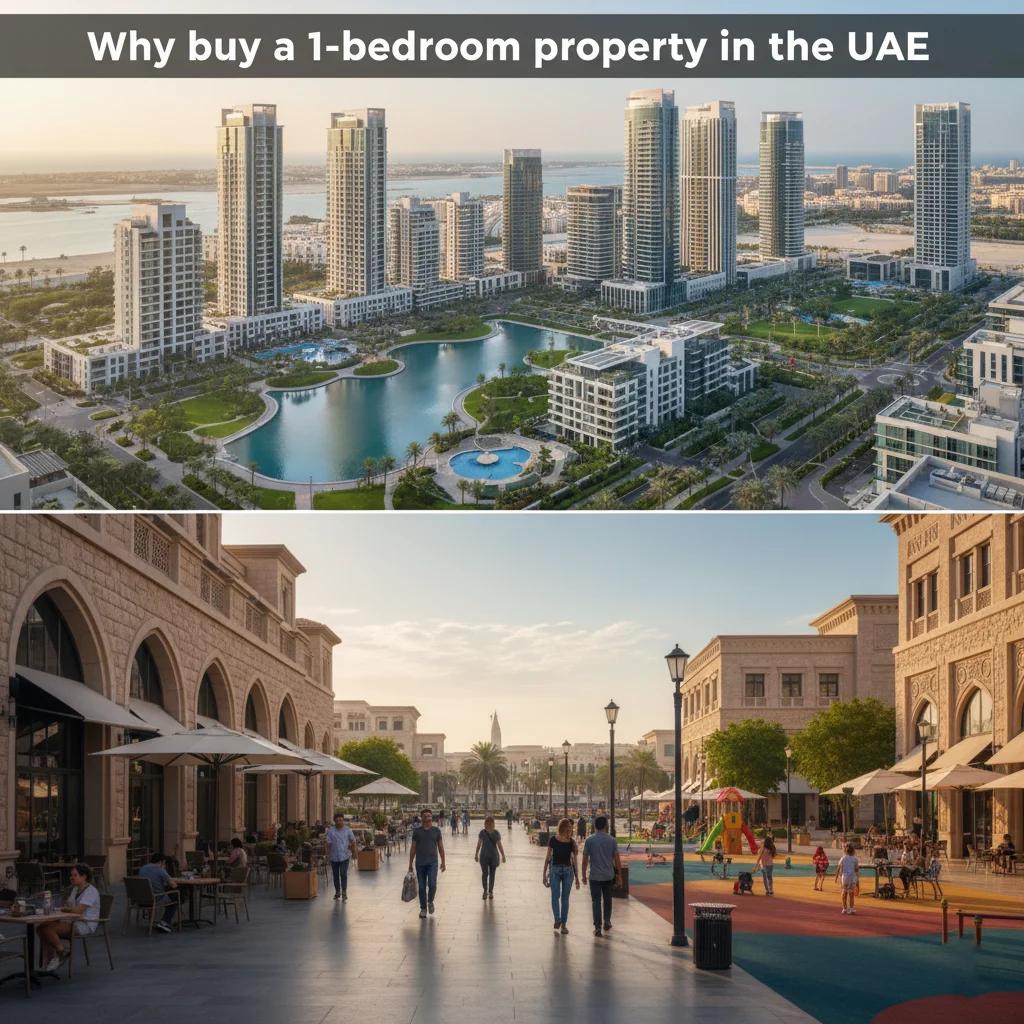
Why buy a 1-bedroom property in the UAE
The UAE’s real estate scene is changing—and 1-bedroom properties are suddenly center stage. What used to be “starter homes” or “budget choices” are now viewed as strategic investment plays. Especially in emirates like Umm Al Quwain (UAQ), the rising interest in these small but smart units reveals something about affordability, demand, and real growth.
What’s the Big Shift in the Market?
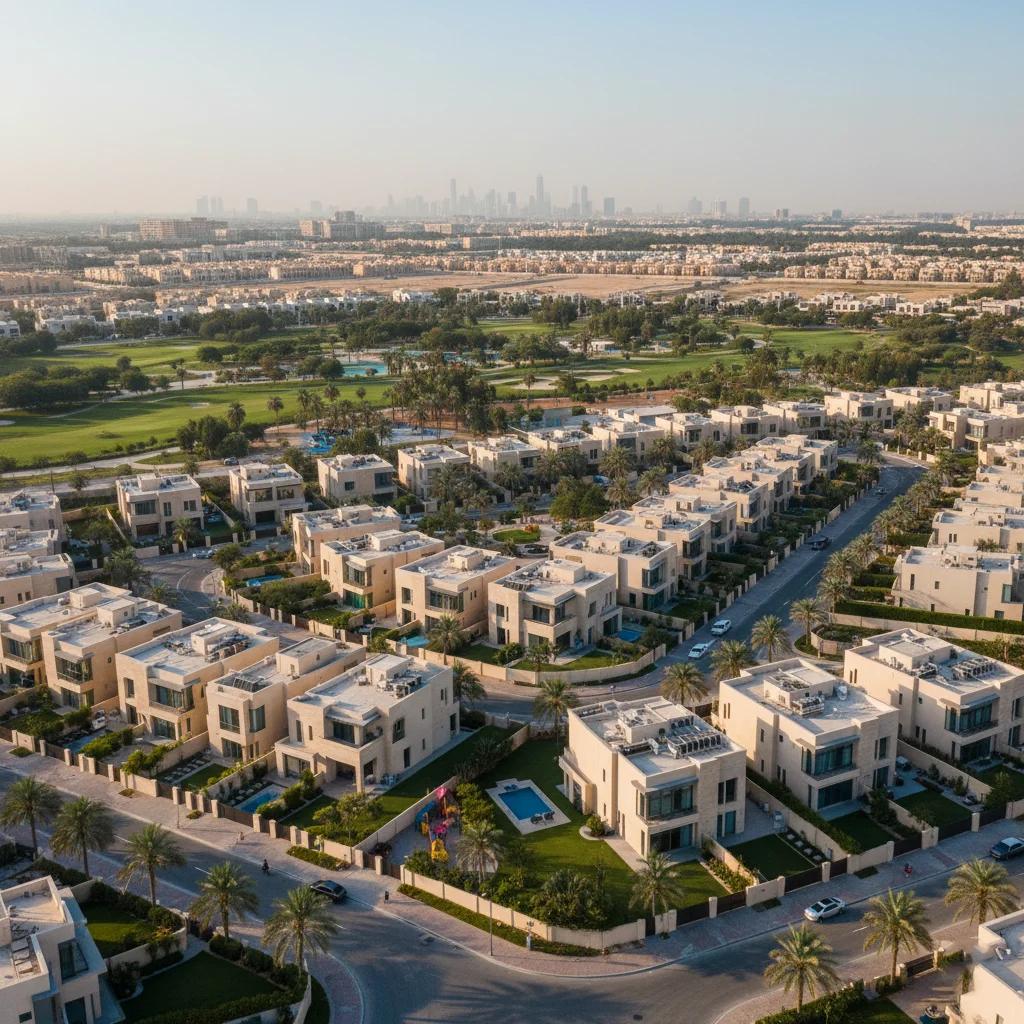
Smaller units (especially 1-bedrooms) are experiencing surging demand across UAE, driven by affordability pressures and new market dynamics. Data from 2024-2025 shows that property prices have jumped significantly. For instance, in Dubai the Residential Market Sales Price Index rose by ~15.6% year-on-year, with apartments growing about 15.22%. Also, one recent report noted that across all seven emirates, including UAQ, price growth is visible—not just in Dubai/Abu Dhabi. As larger apartments and villas become less affordable, both for investors and people wanting to live in them, many are turning to smaller homes as the next best thing. For many first-time buyers, expatriates, or those priced out of bigger markets, 1-bedrooms offer a way in, with lower upfront cost, smaller maintenance and lower running cost. Meanwhile, investors see shorter payback or better rental yields in these smaller units.
This shift sets the stage for why places like Umm Al Quwain, with lower base prices, are now more than just affordable alternatives—they are becoming hotspots.
Why Umm Al Quwain is Catching Fire
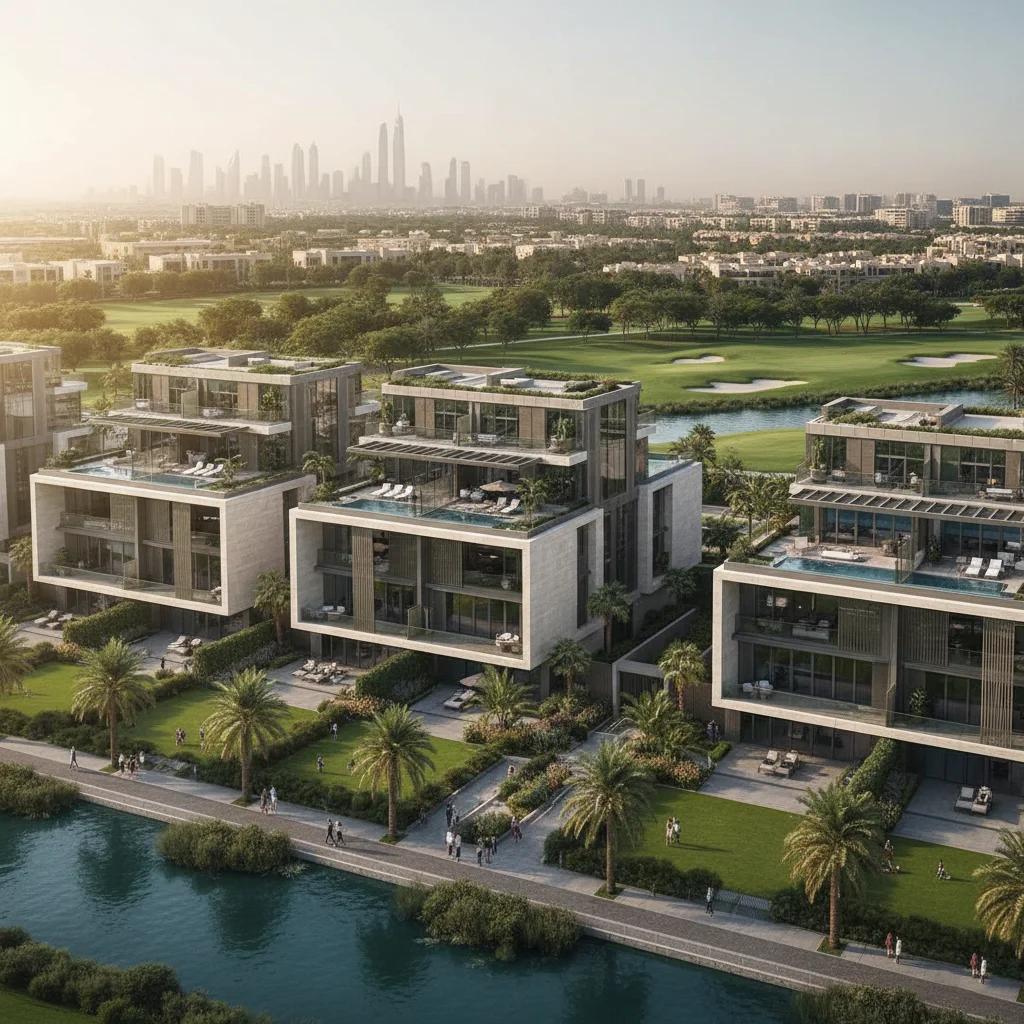
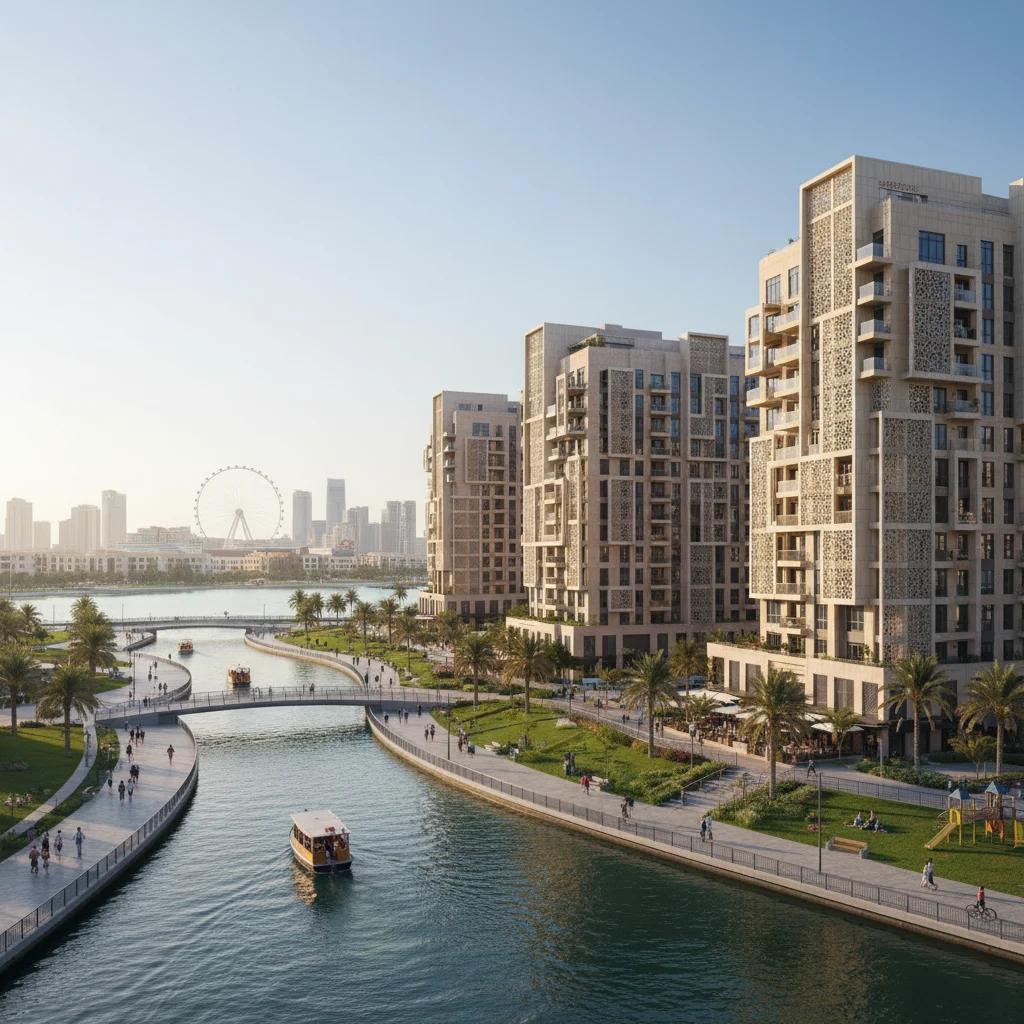
Umm Al Quwain is no longer “off the radar” — its affordability plus infrastructure and visionary planning make it attractive. Rental yields in UAQ are quoted at ~6-8% annually. Also, one headline last year described UAQ as an “investment hotspot,” expecting yields of 7-9% in certain projects. In addition, large master-plan developments are underway in UAQ (e.g. waterfront, mixed-use communities) with coastal and beachfront projects, signaling government and private developer investment. The combination of solid return potential, lower entry cost, and the promise of rising amenities/infrastructure makes UAQ a strong bet. If you can buy a 1-bedroom at significantly less than in Dubai or Sharjah, yet still get decent yield and expect growth as the emirate upgrades its roads, utilities, tourism and coastal projects, you get a risk/reward tilt in your favor.
So UAQ isn’t just “cheaper” — it’s offering real value in both present cash flow (rent) and future appreciation.
What Makes 1-Bedroom Units Special Right Now
1-bedroom units hit sweet spots for many buyers/investors: affordability, demand, and flexibility.
In the “Property Playbook 2025” reviews, data shows that among apartment searches, 1-bedrooms are heavily in demand—many renters and buyers prefer compact but well-located units. Also, reports indicate that off-plan projects (which often include affordable 1-bedrooms) are being launched in UAQ, and the market is reacting. A 1-bedroom offers lower monthly costs (mortgage or rent), less maintenance, and is easier to rent out or resell than larger homes. For investors, the smaller the unit (if well located), often the higher the percentage return on investment. For end users, especially singles, couples, or people needing a base near work, these units meet needs without overpaying. Also, smaller units are more resilient in markets where incomes, or affordability, are under stress.
This helps explain why we’re seeing 1-bedrooms being marketed heavily now, with sales and off-plan launches emphasizing these types of units.
How Big are the Numbers? What Do We Know Empirically?
Recent empirical data support that 1-bedroom properties not only have good yields but are part of projects being priced to attract these buyers in emerging areas.
In UAQ, developments like waterfront masterplans and mixed-use zones are offering 1- and 2-bedroom units starting around AED 1.1 million in some projects. Also, average rents for 1-bedroom apartments in some UAQ areas hover around AED 25,000/year. Meanwhile, smaller emirates are offering homes for under AED 1 million in many cases. These numbers show that the units are priced low enough to be attainable by more people, and yet the yields are high enough to attract investors. An AED 25,000/year rent on a home bought (for example) at AED 700,000 gives a gross yield of 3.5%, but many properties in UAQ achieve the higher yields (6-9%) because purchase prices are lower, or rents are favorable relative to cost. The exact yield depends on location, finishes, project status (off-plan vs ready), and amenities.
What Makes This So Important
This trend reflects deeper shifts in how people live, invest, and the way real estate markets are evolving in the UAE. Country-wide price growth isn’t limited to luxury segments: even apartments and villas across all emirates are seeing sharp increases, especially in smaller units. Plus, financial/demographic pressures (costs of living, housing supply, migration) are pushing people to re-think what type of housing is “enough.” Also, government strategy in emirates like UAQ is explicitly promoting investment, infrastructure, and amenities to attract residents and create value. Real estate isn't just a static backdrop—it’s being reshaped by affordability pressures, migration trends, changing family sizes, and work patterns (remote or hybrid work). For an economy, having more affordable housing options that are still profitable for developers/investors helps maintain balance—people can live without being squeezed, investors can still get returns, and growth spreads out beyond crowded emirates. UAQ, for instance, is benefitting from strategic planning (coastline development, affordable transit, tourism, etc.), which magnifies the importance of smaller unit types.
The upshot is that 1-bedroom units are not niche or secondary—they’re an important part of the future of UAE housing & investment.
How This Will Be Done / What to Watch
Success depends on execution—location, amenities, infrastructure, government policy, and buyer confidence will make or break outcomes. Some projects in UAQ are being planned with mixed-use features, waterfront/beach access, green/open spaces, good roads and utilities. Also, developers and government agencies have been making strategic partnerships to ensure infrastructure delivery (roads, connectivity, services) and sustainable growth aligned with environmental goals. Even if you build many affordable 1-bedroom units, if the area lacks good transport, schools, healthcare, or if delays plague the project, buyer/investor trust suffers and value stagnates. Also, macro policies like mortgage regulation, freehold ownership rules, foreign ownership permissions, visa/residency incentives, or tax/regulatory clarity matter a lot. The projects that integrate community living, lifestyle and amenities—not just a flat box—will tend to do better.
Observing upcoming off-plan project announcements, government infrastructure plans, and yield/rental data over time will be key for anyone looking to buy or invest now.
Lessons for Buyers, Investors, and Policy Makers
From this shift, there are clear learnings for different stakeholders.
As many headlines show, areas under AED 1 million are now viable in multiple emirates. Also, rental yield figures in UAQ (6-9%) are comparable or better than what many would achieve in costlier emirates once you factor in the cost of purchase. Market reports also point out that smaller units are high in demand (both from renters and end users) right now. For buyers, the lesson is: don’t ignore 1-bedroom units—they may offer better entry, fewer costs, faster return, especially in growing emirates. For investors, the lesson is to look beyond traditional “luxury” zones; emerging markets like UAQ may be undervalued now. For policy makers, ensuring that growth in smaller unit housing is matched with infrastructure, services, regulatory clarity, and sustainable planning is critical—else growth becomes hollow.
These lessons suggest that this trend isn’t temporary but part of a larger realignment of what housing investment and residential living mean in the UAE.
What Could Go Wrong / What to Be Wary Of
There are risks in betting too heavily on this trend without caution.
Some expert commentary warns that awareness and infrastructure delivery timelines are lagging for certain UAQ projects. Oversupply is always a risk when many developers rush in, especially in off-plan stages. In other emirates, rising interest rates, inflation, and construction cost inflation are concerns. Global Property Guide also notes that in some submarkets, supply may outstrip demand, which could reduce price growth or rental inflation. If many 1-bedroom units are built in the same area but without commensurate infrastructure (roads, public transport, retail, schools), demand might weaken or be slower than expected. Also, off-plan risk (delays, changes) can dent returns. Financing cost changes (mortgage interest, regulation) or regulatory shifts (ownership rules, freehold zones) could affect investor calculus. Additionally, buyer expectations: someone expecting capital growth like seen in luxury zones might be disappointed if growth is more modest.
So while the trend is promising, choosing location, verifying developer reputation, studying yield vs cost, understanding what you are buying (ready vs off-plan) and staying alert to policy / regulatory changes is very important.
Conclusion
The rising focus on 1-bedroom units is more than a niche real estate story—it’s a signal of changing economic realities and housing demand in the UAE. For many people, these units represent entry into homeownership; for many investors, a chance for stable yields; for markets like UAQ, a chance to grow balanced, inclusive, and sustainable communities. What makes this moment exciting is that value, growth potential, and quality of life are aligning in places that fewer people thought had that much upside just a few years ago.