Al Bidya Mosque: History, Architecture, and Cultural Significance
Discover the rich legacy of Al Bidya through its mosque, a symbol of historical and architectural marvel. This article explores its Al Bidya legacy, offering insights into its unique structure and importance in UAE culture.
Understanding Al Bidya Mosque: History, Architecture, and Cultural Significance
The Al Bidya Mosque History, Architecture, and Cultural Significance reflect a deep connection to the region's heritage. Established in the early 18th century, this mosque is one of the oldest in the United Arab Emirates. It stands as a testament to the architectural style of its time, featuring unique elements that continue to draw visitors from around the globe.
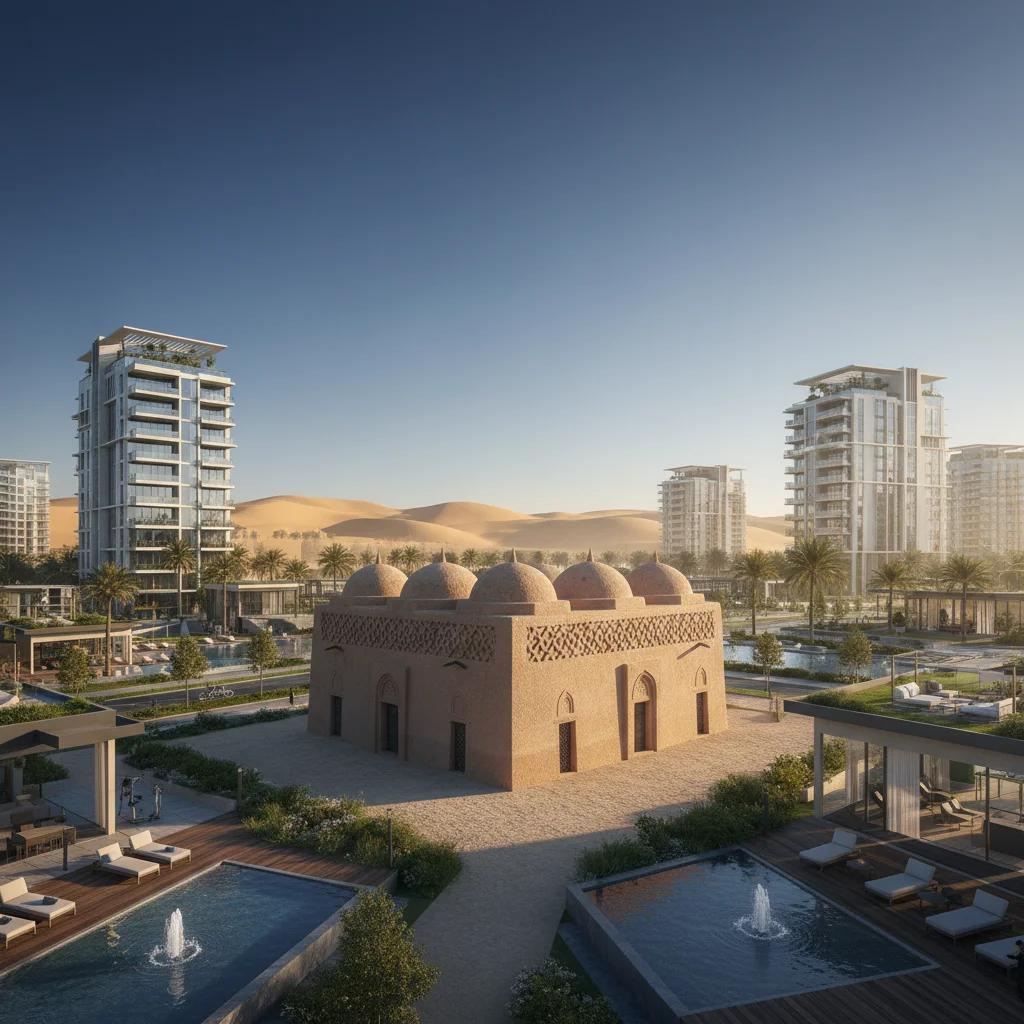
One of the most notable features of the mosque is its four distinctive, unequal domes. These domes are not just for decoration; they symbolize the intricate design ethos of Islamic architecture. Each dome tells a story, facilitating airflow and providing natural light within the prayer hall.
The mosque’s layout includes a distinct foundation that supports its structure. The use of local materials showcases the traditional building methods that have been passed down through generations. This approach not only enhances its durability but also reflects the cultural significance embedded within its walls.
Cultural Importance
The Al Bidya Mosque History, Architecture, and Cultural Significance extend beyond its physical attributes. The mosque serves as a vital community hub, hosting various religious events and gatherings. Its presence in the town of Al Bidya represents a significant landmark, fostering a sense of identity and continuity among the local population.
- Rich historical background dating back to the 18th century.
- Unique architectural design featuring four unequal domes.
- Foundation reflects traditional building methods.
- Serves as a community hub for local events.
In conclusion, the Al Bidya Mosque History, Architecture, and Cultural Significance play a crucial role in preserving the heritage of Al Bidya. By understanding its architectural marvels and rich history, one can appreciate the enduring legacy it represents for both locals and visitors alike.
Historical Context and Origins of the Mosque
The Al Bidya Mosque History, Architecture, and Cultural Significance is rich and deeply anchored in tradition. Built in the 18th century, this mosque stands as a testament to the enduring legacy of Islamic architecture in the region. It not only serves a spiritual purpose but also embodies the cultural heritage of the United Arab Emirates.
This mosque was constructed under a unique historical context. During its establishment, Sheikh Zayed Bin Sultan Al Nahyan played a vital role, advocating for the preservation and promotion of Islamic culture. His vision ensured that the mosque would offer a place of worship that reflects the community's spiritual needs while embodying the architectural aesthetic of its time.
Notably, Al Bidya Mosque is the oldest mosque still in use in the UAE. Its unique structure features domes and an intricate design, indicative of the architectural style prevalent during its construction period. The building materials, mainly local stone and mud, further illustrate the traditional building techniques used by local artisans.
Key Features of Al Bidya Mosque
- Historical significance as the oldest mosque in the UAE
- Architectural design that reflects local traditions
- Use of traditional materials and techniques
- A testament to the cultural values of the local community
The Al Bidya Mosque History, Architecture, and Cultural Significance is not just about its past but also encompasses its role in the present community. It serves as a vital center for learning and worship, continuing to foster Islamic traditions in the rapidly evolving UAE society.
Architectural Features and Innovations
The Al Bidya Mosque History, Architecture, and Cultural Significance is captured in its unique architectural features. The mosque, with its four distinct domes, is a remarkable example of Islamic architecture in the region. Each dome serves both functional and aesthetic purposes, contributing to the mosque's beauty and acoustic qualities.
The engineering design behind these domes showcases innovative techniques utilized in their construction. Builders of the mosque incorporated local materials, creating a structure that harmonizes with the surrounding landscape. This approach not only highlights the importance of sustainability but also reflects the cultural identity of the community.
Construction Techniques
Unique construction methods were employed to ensure the durability of the mosque. The use of traditional techniques combined with innovative approaches resulted in a structure that withstands the test of time. Key aspects of these techniques include:
- Catenary arch technology for structural stability.
- Intricate stone craftsmanship that enhances visual appeal.
- Use of natural ventilation systems for climate control.
Overall, the mosque's design embodies a significant chapter in the region's architectural progress. The blend of aesthetic appeal and functional design in the Al Bidya Mosque History, Architecture, and Cultural Significance aligns with the broader narrative of cultural heritage within the United Arab Emirates.
As you explore the al bidya community, you will discover more remarkable narratives tied to the mosque and its impressive architecture.
Cultural Significance and Community Impact
Al Bidya Mosque is not just a place of worship; it is a cornerstone of community life in Al Bidya. The mosque serves as a cultural symbol, representing the rich history and values of the local people.
The significance of the mosque extends beyond its architectural beauty. It actively hosts social gatherings and events that bring the community together. These events strengthen bonds and foster a sense of belonging among residents.
Social Gatherings
The Al Bidya Mosque History, Architecture, and Cultural Significance is enriched by various activities, such as:
- Weekly prayer gatherings that allow locals to connect spiritually.
- Community festivals that celebrate local traditions.
- Educational workshops and lectures aimed at fostering cultural understanding.
Through these activities, the mosque becomes a living heritage site, continuously serving the needs of the community while honoring its original purpose.
Community Bonding
Moreover, the Al Bidya Mosque History, Architecture, and Cultural Significance facilitates various forms of community bonding. Whether it’s through prayer or events, these interactions help to build lasting friendships among locals, making the mosque a hub for socialization.
In summary, Al Bidya Mosque plays a pivotal role in the community of Al Bidya, fostering unity and cultural pride. Its contributions extend far beyond that of a traditional mosque, embodying the spirit of the community it serves.
Preservation Efforts and Future Prospects
Preserving historical landmarks is crucial for maintaining cultural heritage. The Al Bidya Mosque History, Architecture, and Cultural Significance emphasizes the need for ongoing preservation efforts. Through these initiatives, the mosque’s structural integrity and historical value can be safeguarded.
Efforts currently underway include regular maintenance and restoration projects to repair any damage caused by weather or age. Engaging local communities in these efforts ensures that the mosque remains a vital part of their culture.
Key Preservation Efforts
- Regular structural assessments to identify and address maintenance needs.
- Community workshops to educate locals about the importance of conservation.
- Collaboration with historians and architects to ensure accurate restorations.
Additionally, there are plans to secure recognition from UNESCO for World Heritage status. This recognition would not only highlight the mosque's importance but also aid in its preservation for future generations.
Cultural sustainability is paramount in conserving these historical sites. As such, it is essential to foster an awareness of their significance and involve local communities in their preservation.
Visiting Al Bidya Mosque: Practical Information and Nearby Landmarks
Visiting the Al Bidya Mosque offers a unique opportunity to immerse yourself in its rich history, architecture, and cultural significance. This revered site is not only a place of worship but also a symbol of the region's heritage.
Upon arriving at the mosque, you will find it conveniently located near notable attractions. Here are some key landmarks to enhance your visit:
- **Al Falaiya School** - A historical site that adds context to the local educational heritage.
- **Ghanta Ghar Metro Station** - The closest station providing easy access to the mosque.
To make the most of your journey, consider these practical tips:
- Dress modestly to respect the cultural norms of the mosque.
- Plan your visit during non-prayer hours to explore without interruption.
- Take time to admire the intricate architecture that reflects the area's history.
With these insights, your visit to the Al Bidya Mosque can become a deeply enriching experience that highlights its history, architecture, and cultural significance.
Al Bidya Mosque stands as a testament to the rich history and cultural significance of the UAE. This architectural gem offers a glimpse into the past, inviting visitors to appreciate its beauty and legacy. For more insights on cultural landmarks, check out this informative article. Additionally, for a deeper dive into the history of Al Bidya, explore our detailed piece on Al Bidya.
FAQs