

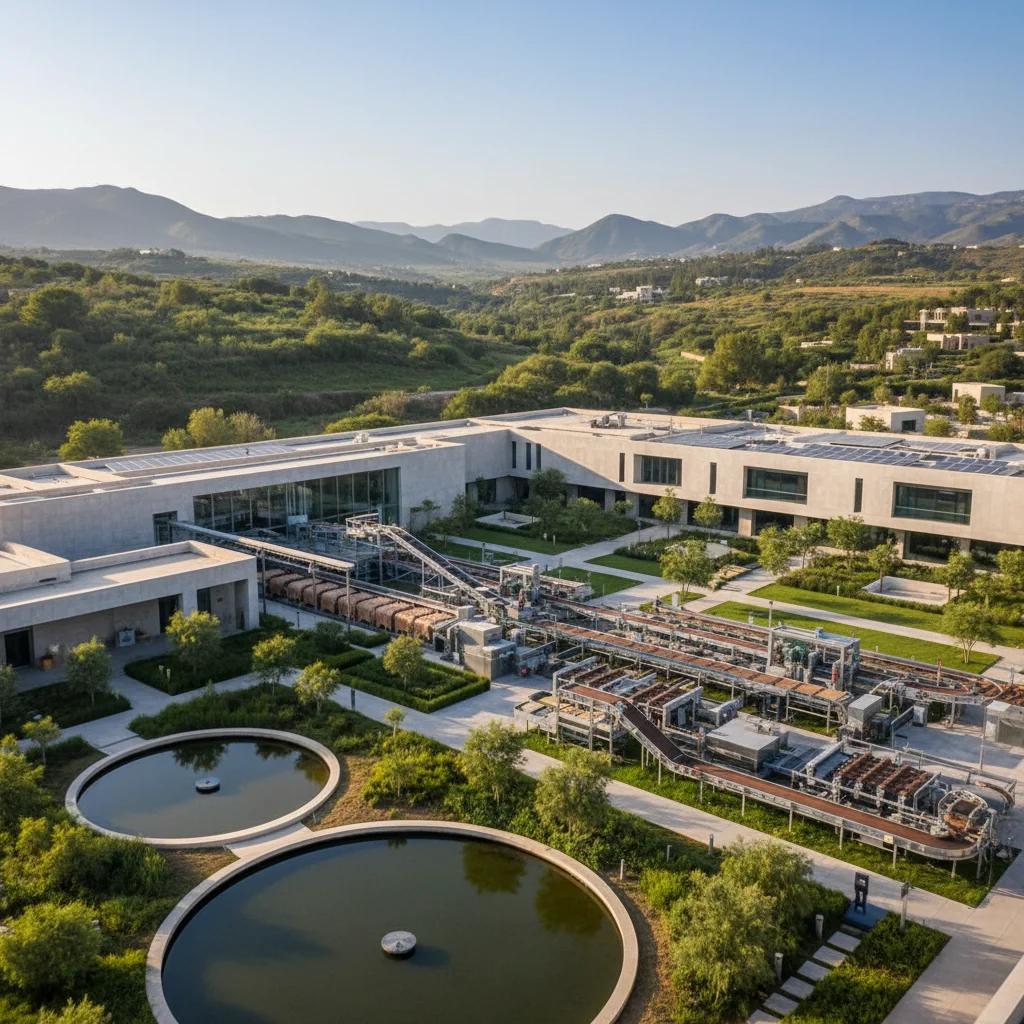
Al Khaznah Tannery: Processes, Sustainability, and Industry Role
- Understanding Al Khaznah Tannery: Processes, Sustainability, and Industry Role
- Innovations in Leather Processing Techniques
- Al Khaznah Tannery: Sustainability Practices and Environmental Impact
- Economic Contributions of Tanning Industry to Regional Development
- Al Khaznah Tannery: Challenges and Future Prospects in the Leather Industry
- Global Trends Affecting the Leather Market and Tanning Practices
- FAQs
Discover the fascinating world of Al Khaznah Tannery, exploring its innovative processes, commitment to sustainability, and vital role within the leather industry. This blog aims to provide insights into how the Al Khaznah Tannery is shaping the future of leather production through eco-friendly practices and cutting-edge technologies.
Understanding Al Khaznah Tannery: Processes, Sustainability, and Industry Role
The Al Khaznah processes sustainability and industry role in tannery showcase a commitment to quality and ecological responsibility. The tanning process at Al Khaznah blends tradition with innovation, ensuring that each step is carefully monitored for both efficiency and environmental impact.
One of the key aspects of this tannery is its focus on sustainable practices. Here are some important elements of sustainability observed in their operations:
- Water recycling systems that minimize waste.
- Use of eco-friendly chemicals in the tanning process.
- Implementing energy-efficient technologies to reduce carbon footprint.
- Adopting waste management strategies that support circular economy principles.
The role of Al Khaznah in the leather industry is significant. It not only produces high-quality leather but also leads the way in setting sustainability standards. Through modern techniques and a focus on eco-friendly initiatives, Al Khaznah serves as a model for others in the industry.
In conclusion, the Al Khaznah processes sustainability and industry role in tannery illustrates the importance of merging tradition with innovation. As the industry continues to evolve, Al Khaznah is poised to remain at the forefront, demonstrating that sustainable practices are not just beneficial but essential for the future.
Innovations in Leather Processing Techniques
Innovations in leather processing have redefined industry standards, emphasizing productivity and eco-friendliness. This transformation reflects a shift towards sustainable practices. The focus is on methods that not only enhance quality but also align with environmental concerns.
Efficiency in Production
New techniques have emerged, streamlining the production process. This includes automated machinery that speeds up operations while ensuring precision. Such advancements reduce waste and cut down on the time taken to produce high-quality leather.
Quality Control Enhancements
With modern technology, quality control has become more rigorous. Sensors and AI-driven analytics help monitor every phase of production. This ensures that only the best materials make it to the final product, maintaining high standards throughout the process.
Sustainable Practices
Sustainability remains a core focus. Innovations include the use of biodegradable chemicals and water recycling systems. By minimizing water usage and reducing harmful emissions, the industry is taking significant steps towards a greener future.
Future Directions
- Continued research into plant-based tanning methods
- Development of biodegradable leather alternatives
- Improving energy efficiency across production facilities
In summary, the evolving landscape of leather manufacturing reflects an industry that prioritizes Al Khaznah processes sustainability and industry role in tannery. These innovations enhance efficiency and contribute to a more sustainable future, paving the way for responsible production practices.
Al Khaznah Tannery: Sustainability Practices and Environmental Impact
Sustainability is a key focus at the Al Khaznah tannery. Al Khaznah processes sustainability and industry role in tannery are designed around environmental responsibility. This commitment includes a variety of initiatives that prioritize eco-friendly practices.
One of the core aspects of sustainability at the tannery is efficient waste management. By adopting advanced recycling technologies, the facility minimizes waste output significantly. This not only reduces landfill contributions but also promotes the recycling of materials for reuse.
Water Conservation Efforts
Water is a critical resource in the tanning process. The tannery implements strict water management protocols to conserve water. Techniques such as water recycling and rainwater harvesting are utilized effectively. This reduces the overall water consumption substantially.
Chemical Use Reduction
The tannery also focuses on reducing chemical usage. By opting for safer, environmentally friendly alternatives, the facility decreases its carbon footprint. This initiative aligns with global environmental standards, ensuring that the impact on local ecosystems is minimized.
Measurable Impact
The results of these sustainability measures are evident. The Al Khaznah tannery leads the industry in environmental practices. Its operations not only benefit the environment but also set a benchmark for others in the sector.
In conclusion, Al Khaznah processes sustainability and industry role in tannery exemplify how traditional industries can adapt modern sustainability practices. The commitment to environmental health showcases the tannery's leadership in adopting responsible manufacturing processes.
Explore for more details: al khaznah community.
Economic Contributions of Tanning Industry to Regional Development
The tanning industry plays a vital role in the economy of Al Khaznah. It creates numerous jobs and contributes significantly to export revenues. This section focuses on the Al Khaznah processes sustainability and industry role in tannery and how they influence regional development.
Job Creation
One of the most impactful aspects of the tanning industry is its ability to generate employment. With operations in Al Khaznah, a variety of jobs are created, from skilled artisans to factory workers. This not only helps to boost the local economy but also supports families and communities.
Export Potential
The region benefits from the export of high-quality leather products. Al Khaznah processes sustainability and industry role in tannery underline the importance of maintaining high standards that attract international buyers, thus enhancing export potential.
Industrial Partnerships
Partnerships between local tanneries and global brands contribute to knowledge exchange, improving production techniques and sustainability practices. These collaborations are crucial for the industry's growth and for fostering innovation in Al Khaznah.
- Increased job training and skill development
- Boosting local economy through increased wages
- Enhanced reputation of the region as a hub for quality leather production
In conclusion, the economic contributions of the tanning industry in Al Khaznah extend beyond leather production. The Al Khaznah processes sustainability and industry role in tannery are vital for ensuring continued growth and development in the region.
Al Khaznah Tannery: Challenges and Future Prospects in the Leather Industry
The leather industry faces numerous challenges today, especially in Al Khaznah. These issues include supply chain disruptions, competitive pressures, and increasing environmental regulations. Understanding these obstacles is crucial for navigating the future of leather production.
In the context of Al Khaznah processes sustainability and industry role in tannery, supply chain issues have become prominent. The pandemic highlighted weaknesses in logistics, affecting the procurement of raw materials. Tanners must adapt by diversifying their sources, ensuring a more resilient supply chain.
Moreover, competitive pressures are intensifying. New entrants in the leather market are disrupting traditional methods. Established businesses in Al Khaznah must innovate and improve efficiency to maintain their market position. Exploring sustainable practices can also differentiate them from competitors.
Environmental regulations pose another challenge. The industry must comply with stringent laws regarding waste management and emissions. Adopting environmentally friendly technologies is not just a compliance measure; it is essential for the industry's long-term sustainability. Companies should invest in research and development to enhance sustainable processing methods.
Despite these challenges, there are numerous opportunities for growth. Al Khaznah can leverage innovation in sustainable practices to enhance its reputation. By focusing on eco-friendly production techniques, businesses can attract a more conscious consumer base.
- Invest in technology to minimize waste and improve energy efficiency.
- Collaborate with environmental organizations to foster sustainability initiatives.
- Engage in community education about the benefits of sustainable leather practices.
In conclusion, while Al Khaznah Tannery faces significant challenges, focusing on Al Khaznah processes sustainability and industry role in tannery presents a roadmap for future success. By addressing supply chain vulnerabilities, enhancing competitiveness, and adhering to environmental regulations, the industry can thrive in the coming years.
Global Trends Affecting the Leather Market and Tanning Practices
The leather market is dynamic and influenced by several global trends. Understanding these trends is essential for tanneries to thrive. Al Khaznah processes sustainability and industry role in tannery highlight how businesses can adapt to changing consumer demands and market conditions.
Consumer Preferences
There is growing awareness and demand for sustainable leather products. Consumers are increasingly inclined towards ethically sourced materials. This shift drives tanneries to adopt innovative processes to meet these expectations.
Technological Advances
Emerging technologies have transformed tanning practices. Automation and advanced chemical processes can enhance efficiency and reduce waste. By integrating such technologies, tanneries can improve their environmental footprint.
Regulatory Changes
Compliance with environmental regulations is becoming stringent globally. Tanners must adapt their operational practices to meet these standards while ensuring product quality. This adaptation is vital for long-term success in the marketplace.
Global Market Trends
- Increase in demand for vegan and cruelty-free alternatives.
- Growing market for luxury leather goods despite economic downturns.
- Emphasis on transparency in supply chains and sustainable practices.
In conclusion, keeping pace with global trends is crucial for the industry. The Al Khaznah processes sustainability and industry role in tannery will shape the future of leather production. By embracing these changes, tanneries can ensure they remain competitive and sustainable.
Al Khaznah Tannery plays a crucial role in advancing sustainable practices in the leather industry. By continuously innovating and adapting to global trends, it significantly impacts local economies and provides insights for future growth. For a deeper understanding of how craftsmanship meets quality, check out the related blog about Al Khaznah Leathers: Products, Craftsmanship, and Quality Standards. Stay updated on trends and changes within the industry as we move towards a more sustainable future.
FAQs


