

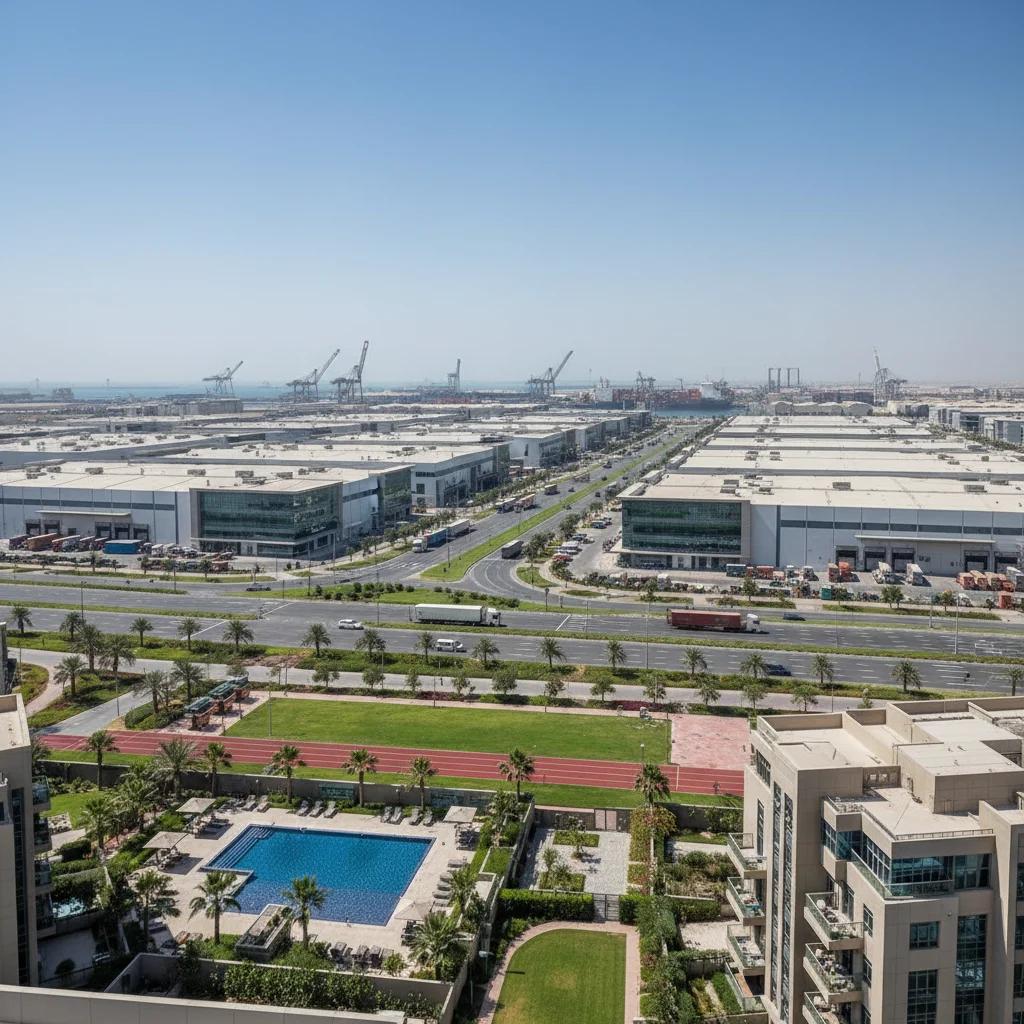
Al Qusais Industrial Area 2 – Overview and Key Insights
- Al Qusais Industrial Area 2: Location and Industrial Profile
- Key Businesses Operating in Al Qusais Industrial Area 2
- Transport Links and Accessibility to Al Qusais Industrial Area 2
- Warehouse and Facility Types in Dubai Industrial Zones
- Economic Role of Industrial Areas in Dubai's Growth
- Guidance on Operating a Business in Al Qusais Industrial Area 2
- FAQs
Al Qusais Industrial Area 2 is a vital industrial hub in Dubai, characterized by various manufacturing and trading operations. This article explores its significance in Dubai’s industrial landscape, detailing key businesses, transport links, and the economic role it plays. Find your insights here.
Al Qusais Industrial Area 2: Location and Industrial Profile
The al qusais industrial area 2 is situated in Dubai, serving as a prominent industrial zone within the emirate. This location provides easy access to major road networks and logistical routes, facilitating efficient transit for businesses operating in the area.
Manufacturing and trading companies thrive in this community, with industries ranging from oilfield equipment suppliers to advertising firms. The presence of such diverse enterprises indicates a vibrant business landscape that caters to various sectors.
Attracting both local and international businesses, this area supports the economic growth of Dubai by offering facilities designed for industrial use. The importance of logistics in operations is evident, as many firms choose to base their operations here due to the strategic location and proximity to major transport links.
Many businesses benefit from the access to specialized services offered in the property, reflecting the area's role as a critical hub for industrial activities. The mix of established companies alongside startups contributes to a dynamic and evolving industrial profile.
Without a doubt, businesses in this zone are well positioned to leverage the economic opportunities present in Dubai. For those looking to establish a presence, there are opportunities ranging from warehousing solutions to office spaces. Explore available properties for sale that can support operational needs.
Key Businesses Operating in Al Qusais Industrial Area 2
The al qusais industrial area 2 is a bustling hub for various businesses that significantly contribute to Dubai's economy. This industrial zone is home to a range of sectors, including manufacturing, trading, and service industries. Notably, it attracts firms looking to leverage the strategic location and access to essential logistics services.
Manufacturing companies form a substantial part of the area’s ecosystem. They produce goods that cater to both local and regional markets, spanning various industries such as textiles, electronics, and food processing. The availability of warehouses and production facilities supports these firms in maintaining efficient operations.
Trading companies thrive due to the robust logistics network present in the area. These firms engage in the import and export of goods, including construction materials, electronics, and industrial machinery. Their proximity to key transport routes enhances their operational efficiency and market reach.
Additionally, the service sector in the property encompasses businesses that provide essential support to both manufacturing and trading firms. This includes logistics and transportation companies, IT service providers, and maintenance services. These service providers ensure that operations run smoothly and efficiently.
For those interested in learning more about specific businesses operating in this dynamic area, resources such as a detailed list of companies can provide further insights. Understanding the diverse range of businesses within the district can be beneficial for potential investors and entrepreneurs planning to establish operations in Dubai.
Transport Links and Accessibility to Al Qusais Industrial Area 2
The transportation infrastructure around al qusais industrial area 2 is designed to facilitate easy access for both employees and freight. Major arterial roads, such as Al Ittihad Road and Dubai Bypass Road, interconnect with the area, providing seamless connectivity to other key commercial districts in Dubai.
the property benefits from proximity to essential highways that enable rapid movement across the city. The immediate access to Sheikh Mohammed Bin Zayed Road also allows for efficient transportation of goods and services to and from major logistics hubs, enhancing the logistical advantages of businesses located here.
The area is also serviced by the Al Qusais Metro Station, which is part of Dubai's expanding metro network. This station provides an alternative mode of transport for employees, alleviating traffic congestion and contributing to timely arrivals. The convenience of public transportation is a significant benefit for businesses seeking to attract and retain workforce talent.
A well-structured road network ensures that access to essential services, such as suppliers and customers, is straightforward. This layout is advantageous for companies involved in manufacturing and distribution, as they can quickly respond to market demands without significant delays.
Regular public transport services, including buses connecting different parts of the emirate, further enhance accessibility. This public transport network serves not just the industrial workforce but also facilitates easy client visits and partnerships, contributing to a thriving business ecosystem.
Warehouse and Facility Types in Dubai Industrial Zones
Various types of industrial facilities and warehouses are prevalent in Dubai, specifically within al qusais industrial area 2. The types of warehouses cater to a range of business needs, offering substantial space and flexible configurations for various operational requirements.
Manufacturing facilities typically feature high ceilings and large loading bays, accommodating heavy machinery and equipment. These warehouses often provide easy access for trucks and shipping containers, which is essential for businesses engaged in import and export functions.
Another common type in this area is cold storage facilities, crucial for businesses that handle perishable goods. These specialized warehouses are temperature-controlled and ensure that items such as food products and pharmaceuticals remain safe and compliant with health standards.
Logistics centers play a vital role in the supply chain and are designed for efficient distribution of goods. These spaces frequently incorporate advanced technology for inventory management and automated systems, allowing for quick processing and shipment of products to market.
Flexibility in facilities is another appealing aspect for businesses. Many warehouses in the area can be customized to meet specific operational needs, allowing companies the liberty to configure their space for optimal workflow and product handling.
Considering the cost-effectiveness and accessibility of facilities will be crucial for companies looking to establish a presence in Dubai. The competitive pricing of spaces in the property can lead to increased profitability for businesses operating within this thriving industrial zone.
Economic Role of Industrial Areas in Dubai's Growth
Industrial areas, such as al qusais industrial area 2, play a pivotal role in shaping Dubai's economic landscape. These zones attract investments and generate employment opportunities, primarily through sectors like manufacturing, trading, and logistics.
Manufacturing in the industrial zones contributes significantly to the local economy. Facilities within the property often focus on producing goods that cater to both local and international markets. This production capability strengthens Dubai's position as a hub for trade and business.
Logistics operations are enhanced in industrial areas, driving efficiencies in supply chain management. Proximity to major transportation routes allows businesses to streamline the movement of goods, further boosting commercial activities.
Diverse business models thrive within the framework of these industrial zones. Companies capitalize on the supportive infrastructure and government incentives designed to foster innovation and growth. These factors make zones like the property a vital component in Dubai’s strategy for economic diversification.
The potential for collaborative networks between businesses also enhances productivity. Local companies often work together on projects, leveraging shared resources and expertise. This synergy not only stimulates innovation but also cultivates a thriving business community.
Regulatory frameworks supporting industry growth further establish the importance of these areas. Regulations promote investment in technology and infrastructure, ensuring that industrial zones can adapt to global economic shifts.
Guidance on Operating a Business in Al Qusais Industrial Area 2
Setting up a business in al qusais industrial area 2 requires an understanding of local regulations and compliance requirements. Businesses must register with the relevant government authorities, including obtaining specific licenses that vary depending on the industry. Thoroughly researching these requirements before establishing operations is essential for a seamless entry into the market.
Identifying suitable facilities is crucial for any business in this area. The industrial community offers a mix of warehouses, production units, and office spaces that cater to various operational needs. Networking with local real estate agents can help businesses find the right properties that comply with their operational requirements. Additionally, it's vital to consider the condition and amenities of available properties.
Logistics play a significant role in running operations efficiently within the community. Access to major highways and proximity to Al Qusais Metro Station facilitates transportation and distribution, making it easier for businesses to manage their supply chains. Companies should evaluate their logistical needs, including access to suppliers and customers, to make the best use of this strategic location.
Building relationships with local suppliers and service providers can enhance operations significantly. Engaging with the community not only aids in establishing a business presence but also fosters potential partnerships, which can be advantageous for growth. Being part of an industrial network helps in navigating challenges and sharing resources efficiently.
Employee considerations in the property involve not only sourcing talent but also supporting a productive work environment. Choosing a location with ample amenities, such as transportation and recreational facilities, can enhance employee satisfaction and retention rates. Employers are encouraged to offer competitive packages that reflect the community's industrial landscape.
"}}This area serves as a key player in Dubai's industrial sector, hosting a variety of businesses that contribute to the economy. Understanding the transport links and the types of facilities available is crucial for investors and entrepreneurs. Whether you’re looking to set up operations or seeking insights on the logistics, this hub has a lot to offer. Explore more properties and opportunities with Skyloov.


