

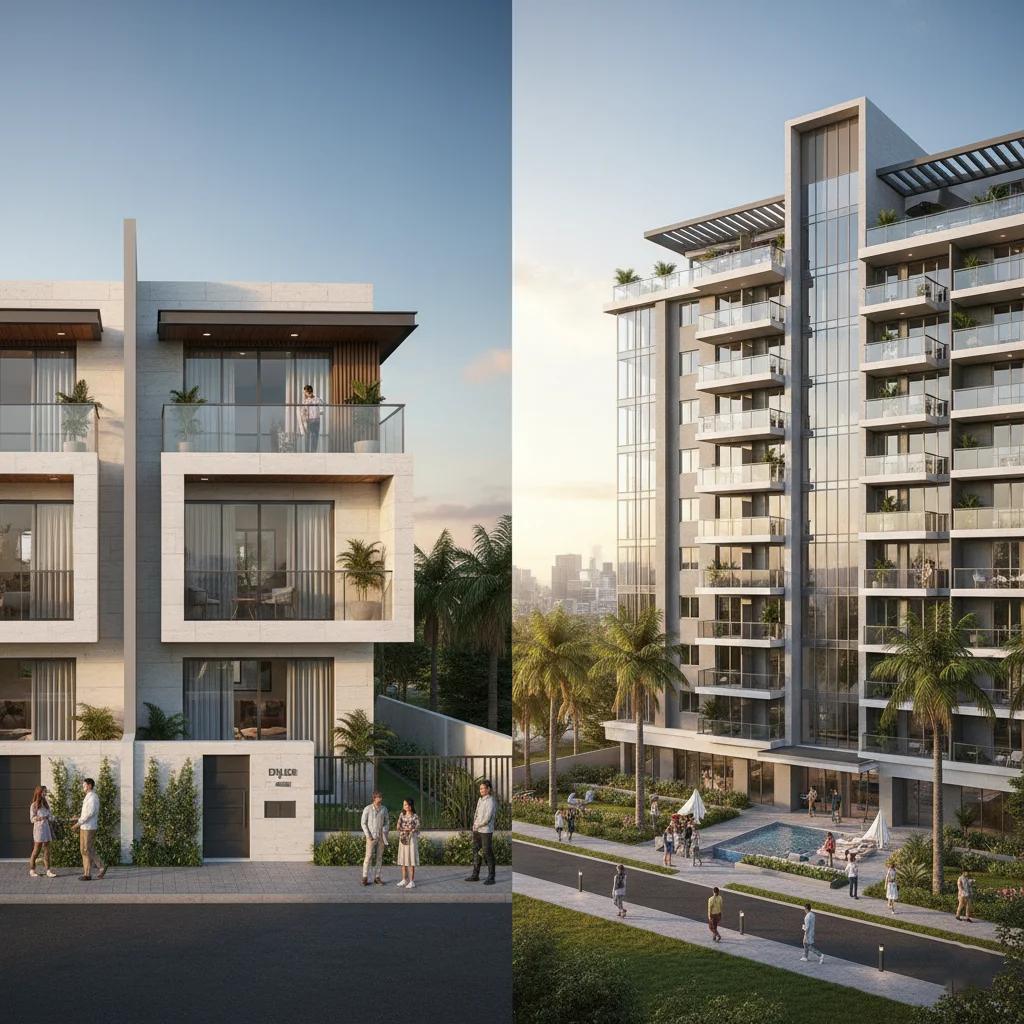
Difference Between Duplex and Apartment
- what the difference between duplex and apartment means for you
- duplex vs apartment
- Layout & architecture
- Duplex layout characteristics
- Apartment layout characteristics
- Ownership & financing
- Duplex ownership
- Apartment ownership
- lifestyle implications
- Duplex privacy & noise
- Apartment privacy & noise
- Maintenance & operating costs
- Duplex maintenance
- Apartment maintenance
- legal differences
- Investment considerations
- Duplex as investment
- Apartment/Condo as investment
- quick reference for the difference between duplex and apartment
- Conclusion
Looking to understand the difference between duplex and apartment? Whether you’re shopping for a home, comparing investment options, or deciding where to rent, knowing the practical, legal, and lifestyle differences between a duplex and an apartment will save you time and money. This guide explains definitions, floor plans, ownership and rental structures, privacy and noise considerations, maintenance responsibilities, costs, zoning and legal issues, and gives actionable tips for choosing the right option for your needs.
what the difference between duplex and apartment means for you
The difference between duplex and apartment boils down to layout, ownership model, and how units are arranged within a building. In simple terms, a duplex is typically a two-unit building arranged side-by-side or stacked vertically and often resembles a house; an apartment is usually one unit inside a larger multi-unit building. That basic distinction affects privacy, maintenance responsibilities, financing options, resale value, and lifestyle. Read on to learn practical implications and how to choose the best fit for your life or investment strategy.
duplex vs apartment
- Duplex: A residential structure with two separate housing units. They can be side-by-side (each with its own entrance) or stacked (one unit above another). Duplexes may be owner-occupied with the second unit rented out, or both units rented to different tenants.
- Apartment: A single residential unit within a multi-unit building. Apartments share common areas (corridors, elevators, lobbies) and are usually part of a larger complex of many units. Apartments can be rented or owned (condominiums), but “apartment” commonly refers to rental units.
Layout & architecture
One of the clearest aspects of the difference between duplex and apartment is physical layout.
Duplex layout characteristics
- Two units only — more house-like scale.
- Private entrances are common.
- Often includes small yards, garages, or private terraces.
- Interior stair (if stacked) gives a two-level living experience.
- Feels more like a single-family home in a smaller footprint.
Apartment layout characteristics
- Multiple units (often many) within the same structure.
- Shared corridors, lobbies, stairwells and elevators.
- Balconies and windows face common exterior façades.
- Floor plans vary from studios to multi-bedroom units but are generally single-level.
- Vertical density is higher — many neighbors per floor or tower.
Ownership & financing
Duplex ownership
- Can be owned as a single title (owner owns the entire building) or split into two titles depending on local law.
- Easier to owner-occupy one unit and rent the other to offset mortgage costs.
- Financing often resembles single-family home mortgages; lenders may view duplexes as residential real estate with rental income potential.
- Insurance and tax treatment may differ if one unit is rented.
Apartment ownership
- Apartments in rental buildings are usually owned by a landlord or property company.
- If you “own an apartment,” it’s typically a condominium — you own the unit interior and hold an interest in common areas through a homeowners association (HOA).
- Financing for condominiums follows mortgage rules but may require additional HOA document review and approval.
- Condominium loans can have stricter underwriting if the building has many investor-owned units.
lifestyle implications
How much privacy you want and how much neighbor interaction you tolerate is central to the difference between duplex and apartment.
Duplex privacy & noise
- Fewer neighbors generally means more privacy.
- Separate entrances reduce hallway and elevator traffic.
- However, shared walls or floors (in attached duplexes) can still transmit noise; good soundproofing matters.
- Yard space and private outdoor areas are common, giving more personal outdoor living.
Apartment privacy & noise
- Shared corridors and many adjacent units increase incidental interactions and traffic.
- Noise from neighbors (above, below, or adjacent) is a frequent concern, depending on building construction quality.
- Apartments often provide community amenities (gyms, pools), which encourage socialization but reduce solitude.
Maintenance & operating costs
Maintenance responsibilities highlight a major practical side of the difference between duplex and apartment.
Duplex maintenance
- If you own the whole duplex, you’re responsible for all repairs, landscaping, and utilities (unless rented separately).
- If each side is owned separately, common maintenance agreements (or legal covenants) determine shared responsibilities (roof, exterior walls, driveways).
- Rental owners must budget for vacancies, repairs, and property management.
Apartment maintenance
- Tenants: usually pay rent; landlord handles most repairs and exterior maintenance.
- Owners in a condo: pay monthly HOA fees which cover common-area maintenance, landscaping, building insurance and sometimes utilities.
- HOA fees simplify day-to-day maintenance but can be substantial and variable.
legal differences
- Property tax: Rates are similar per assessed value, but duplexes used as rental properties may have different depreciation schedules for tax purposes.
- Insurance: Duplex owners often need landlord or dwelling fire policies; condo owners need HO-6 (individual unit) insurance plus HOA master policy.
- Zoning & permits: Duplexes may be subject to single-family or multi-family zoning rules; apartments are typically in multi-family zones with different building code requirements.
- Landlord-tenant laws: Apply to rentals regardless of type, but local ordinances (e.g., short-term rental rules) may impact whether you can rent a duplex unit vs an apartment unit.
Investment considerations
If you’re looking at property as an investment, consider how the difference between duplex and apartment affects returns.
Duplex as investment
- Owner can live in one unit and rent the other — reduces net housing cost.
- Easier to manage with fewer tenants.
- Vacancy risk is limited to one unit at a time.
- Resale may appeal to owner-occupiers seeking a hybrid house+income property.
Apartment/Condo as investment
- Apartments within larger buildings can produce stable cash flow if located in high-demand urban areas.
- More units (in a building) dilute single-unit vacancy risk for owners holding multiple units, but individual investors often own only one unit.
- HOA rules or building management quality can impact rental income and resale value.
- Condominiums in high-demand neighborhoods can appreciate strongly, but fees and rental restrictions affect yield.
quick reference for the difference between duplex and apartment
Duplex — Pros
- More privacy and house-like features.
- Potential to live in one unit and rent the other.
- Often includes private outdoor space and parking.
Duplex — Cons
- Owner bears maintenance of entire structure if single-title.
- Possible shared wall/floor noise in some layouts.
- Resale market can be narrower in some regions.
Apartment — Pros
- Convenient locations, often near transit and amenities.
- Shared maintenance responsibilities through landlord or HOA.
- Wide range of sizes and price points.
Apartment — Cons
- Less privacy and more neighbors.
- HOA or service fees can be high.
- Less control over building rules and renovations.
Conclusion
Understanding the difference between duplex and apartment helps you choose a home or investment that matches your privacy, maintenance, financing, and lifestyle priorities. Duplexes offer house-like living and owner-rental flexibility; apartments offer convenience, shared services, and diverse location options. Use the decision checklist above and consult a local real estate agent or financial adviser to apply these principles to your market.


