

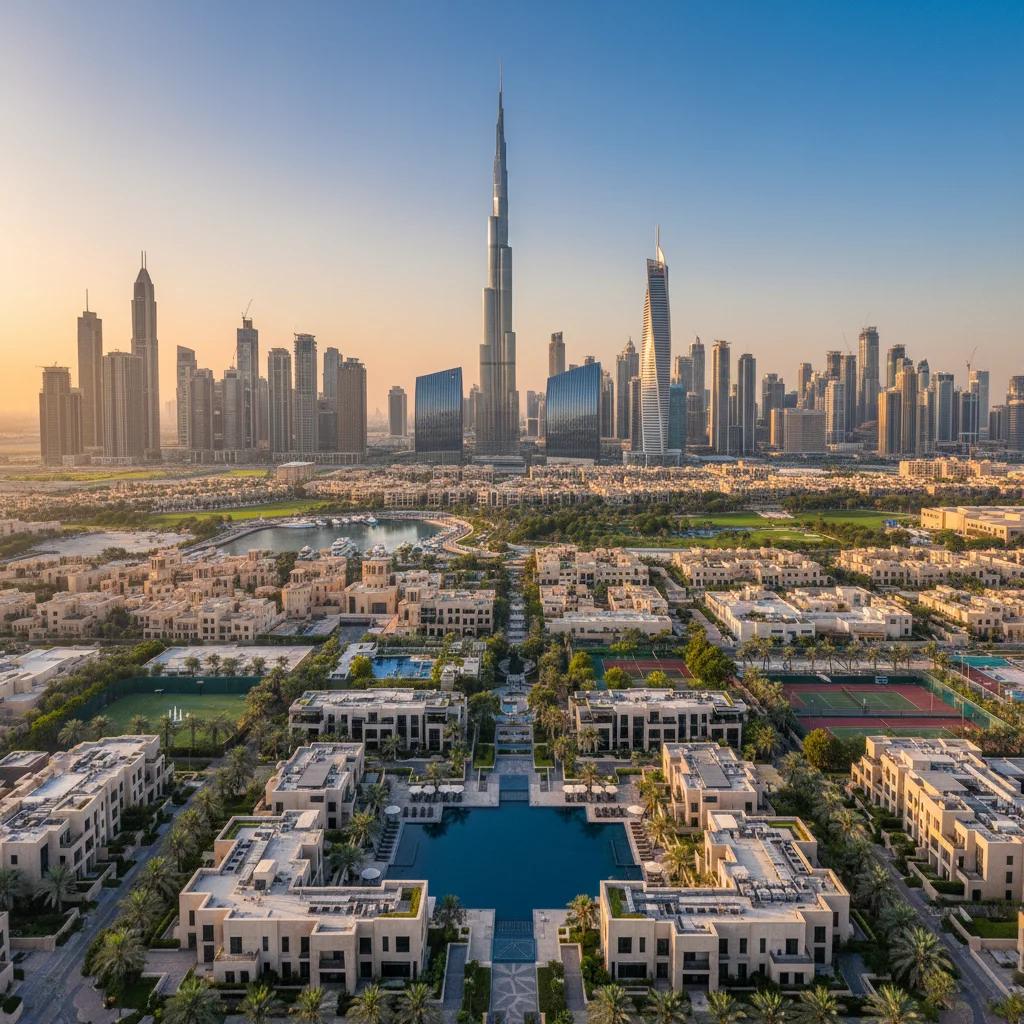
Dubai Investment: Essential Guide for UAE Investors
- Dubai Investment: Overview and Market Insights
- Key Strategies for Successful Real Estate Investing in Dubai
- Dubai Investment: Understanding Legal and Regulatory Frameworks
- Financial Planning and Risks in Dubai's Investment Market
- Emerging Trends Shaping Property Investments in Dubai
- Making the Most of Your Investment: Exit Strategies and Portfolio Management
- FAQs
Dubai investment presents diverse opportunities in real estate, with insights into market trends, legal frameworks, and strategies. This guide is essential for informed investment decisions in the UAE.
Dubai Investment: Overview and Market Insights
The dubai investment landscape is robust, characterized by a dynamic economy and a favorable regulatory framework that attracts both local and international investors. Understanding these nuances is critical for making informed decisions in various sectors, including real estate, technology, and tourism.
Real estate remains one of the most appealing sectors for investment in Dubai. The city's strategic location as a global business hub, combined with an ever-expanding population, creates consistent demand for residential and commercial properties. Developers continuously launch projects that cater to various market segments, from high-end luxury to affordable housing.
In addition to real estate, sectors like tourism and hospitality offer significant growth potential. Dubai's status as a premier travel destination ensures that hotel occupancy rates remain high, encouraging investment in hospitality-related projects. This resilience is particularly vital for investors looking for long-term returns.
The UAE government actively promotes entrepreneurship and innovation through initiatives like free zones that offer favorable tax conditions and straightforward business setup processes. This environment encourages startups and established businesses alike to invest in Dubai, bolstering job creation and economic diversification.
Investors should also acknowledge current market trends, especially post-pandemic recovery indicators. The resurgence of sectors such as retail and entertainment reflects the adaptive nature of Dubai's economy. Keeping an eye on these trends aids in making timely investment decisions.
For more detailed insights into the different investment opportunities available, consider exploring properties for sale that align with your investment objectives.
Key Strategies for Successful Real Estate Investing in Dubai
Investment in Dubai's real estate sector requires careful consideration of various factors to maximize returns. Understanding the landscape thoroughly is vital for success. Investors should look into diverse property types such as residential, commercial, and mixed-use developments based on their risk appetite and investment goals. Evaluating the characteristics of each property type helps determine which aligns best with individual investment strategies.
Location plays a crucial role in determining the potential appreciation of properties in Dubai. Emerging neighborhoods often present untapped opportunities that yield significant returns as the area develops. Investors should research ongoing infrastructure projects and governmental initiatives that can enhance the desirability of specific locations.
Timing the market is another vital strategy. Increased demand during Dubai's peak seasons can drive prices higher, potentially yielding better returns if purchased wisely during these periods. Observing market cycles and trends can help investors make informed decisions about when to enter or exit the market, contributing to overall investment success.
Financial preparation is fundamental as well. Investors should assess their financial situation to determine how much they can afford to invest without overextending themselves. Strategies such as leveraging existing assets can enhance purchasing power, which is particularly useful given the dynamic nature of the UAE's investment landscape. the property platforms often require a sound financial foundation for successful transactions.
Staying informed about regulatory changes and market conditions is essential. The Dubai real estate market is influenced by both local and global factors, and understanding these dynamics can significantly impact investment decisions. For further insights, consider reviewing resources such as the the property Fund to deepen your knowledge on investment trends within the city.
Dubai Investment: Understanding Legal and Regulatory Frameworks
The real estate landscape in Dubai is shaped by a comprehensive legal and regulatory framework that governs dubai investment. Understanding these laws is crucial for investors aiming to navigate the market successfully.
Foreign investors can own properties in designated areas known as freehold zones. These areas provide ownership rights without restrictions, allowing full title ownership to foreigners. It's important for investors to identify which areas fall under this classification to maximize their investment potential.
The Dubai Land Department (DLD) plays a key role in regulating ownership and investment transactions. They are responsible for the registration of properties, ensuring that all transactions comply with local laws. Investors should familiarize themselves with DLD procedures to ensure a smooth purchasing process.
Additionally, the UAE has established investor protection laws, designed to safeguard the interests of buyers. These laws ensure transparency and fairness in real estate dealings, providing a security net for investors against fraud and misrepresentation. Awareness of these rights can enhance investor confidence in the market.
Compliance with local regulations is vital for maintaining a good standing in the property market. Investors must adhere to zoning laws, construction permits, and other municipal regulations. Failing to comply can result in penalties, affecting investment viability.
Engaging with local legal experts can provide further insights into the implications of these regulations. Real estate attorneys can assist investors in understanding the nuanced legalities, ensuring compliance and protecting their interests throughout the investment journey.
Financial Planning and Risks in Dubai's Investment Market
Investment in Dubai represents a significant opportunity, but it requires careful financial planning to navigate potential risks. Understanding the local market dynamics is crucial for all investors. The dubai investment landscape offers various prospects, yet it also involves inherent financial considerations that need to be managed effectively.
Budgeting remains a foundational aspect of any investment strategy. Investors should assess not just the costs of the property itself but also additional expenses such as maintenance fees, property taxes, and potential renovation costs. Establishing a clear budget helps in determining the feasibility of various investment options within Dubai's market.
Financing options vary across the UAE, offering diverse choices for investors looking to leverage their capital. Traditional bank mortgages, developer financing schemes, and alternative financing methods can all provide the necessary capital. Evaluating these options carefully allows investors to select what aligns best with their financial situation and investment goals.
Several risk factors exist in any real estate market, including economic fluctuations, changes in local legislation, and fluctuations in property demand. Conducting thorough market research and engaging with local experts can mitigate these risks. Investors should remain informed about current trends and developments to adjust their strategies accordingly.
Implementing risk management strategies is essential for safeguarding investments. This may include diversifying property portfolios, investing in different locations, or even utilizing insurance policies to protect against certain risks. Each strategy provides layers of protection to reduce vulnerability in a changing market.
Investors are encouraged to stay abreast of market trends, which can offer crucial insights into timing and decision-making. Collaborating with experienced professionals can also provide valuable guidance. By being well-prepared, investors can successfully navigate the complexities and opportunities within Dubai's vibrant real estate market.
Emerging Trends Shaping Property Investments in Dubai
Changing investor priorities significantly influence the real estate landscape in Dubai. Among the most notable trends is the increased focus on sustainability. Investors are now prioritizing properties that offer eco-friendly features and initiatives, reflecting a wider global movement towards responsible investing.
Another critical trend is the integration of technology in property management and investment processes. Smart technologies facilitate efficiency and convenience, attracting investors who see the potential return on investment through enhanced property value. Properties equipped with smart home devices are becoming increasingly appealing, as they promise energy savings and improved lifestyle quality.
Demand patterns in Dubai are evolving, influenced by changing demographics and lifestyle preferences. Young professionals, for instance, are gravitating towards properties in vibrant mixed-use developments that blend work and leisure. This shift prompts developers to invest in community-driven projects that cater to a dynamic, urban lifestyle.
The the property landscape is also seeing a rise in interest from foreign buyers, attracted by favorable policies such as long-term visas and freehold ownership options. These incentives work to position Dubai as a key player in the global real estate market, further driving investment into the city.
Market adaptability is essential for both investors and developers. Staying informed about these emerging trends can empower stakeholders to make strategic decisions that align with the shifting dynamics of Dubai's real estate sector.
Making the Most of Your Investment: Exit Strategies and Portfolio Management
Effective management of a real estate portfolio is crucial for flourishing in the Dubai market. Investors should consider various exit strategies to maximize returns, leveraging the dynamic nature of this growing market. Understanding when to sell or hold can significantly impact long-term profitability.
A common exit strategy is to sell at peak market conditions. Investors should monitor market trends closely, particularly external factors such as global economic conditions and local policy changes that might affect real estate values. Timing is key; thus, having a thorough grasp of market signals can facilitate advantageous sales.
Another essential component is portfolio diversification. Spreading investments across various property types—such as residential, commercial, and mixed-use developments—can reduce risk and enhance overall returns. Each segment tends to perform differently under varying market circumstances, thus creating a buffer against sector-specific downturns.
Investors should also regularly review their investment performance to ensure alignment with their financial goals. Regular assessments allow the identification of underperforming assets, which can either be improved or sold off. Engaging with local market experts can provide insights into optimizing asset management strategies.
Additionally, understanding tax implications and legislative changes in Dubai can help investors better manage their portfolios. Familiarity with the local tax environment allows for strategic planning that can lead to enhanced net returns. Consulting financial advisors specializing in UAE real estate may yield substantial benefits.
Lastly, maintaining awareness of the evolving landscape of real estate developments can open new channels for investment. The city's infrastructure projects and upcoming Expo-related developments present opportunities for potentially lucrative investments. As the Dubai market continues to mature, potential growth areas often emerge, making it vital for investors to stay informed and agile.
By adopting these strategies, savvy investors can navigate the complexities of real estate management effectively, ultimately making the most of their the property. By focusing on strategic exits and proactive portfolio management, investors can ensure continued growth and profitability in a competitive market.
Investing in Dubai offers potential for growth and returns. Understanding market dynamics, legal frameworks, and effective strategies is crucial for success. These insights empower investors to navigate the opportunities ahead. For more information on properties and insights, explore Skyloov.


