

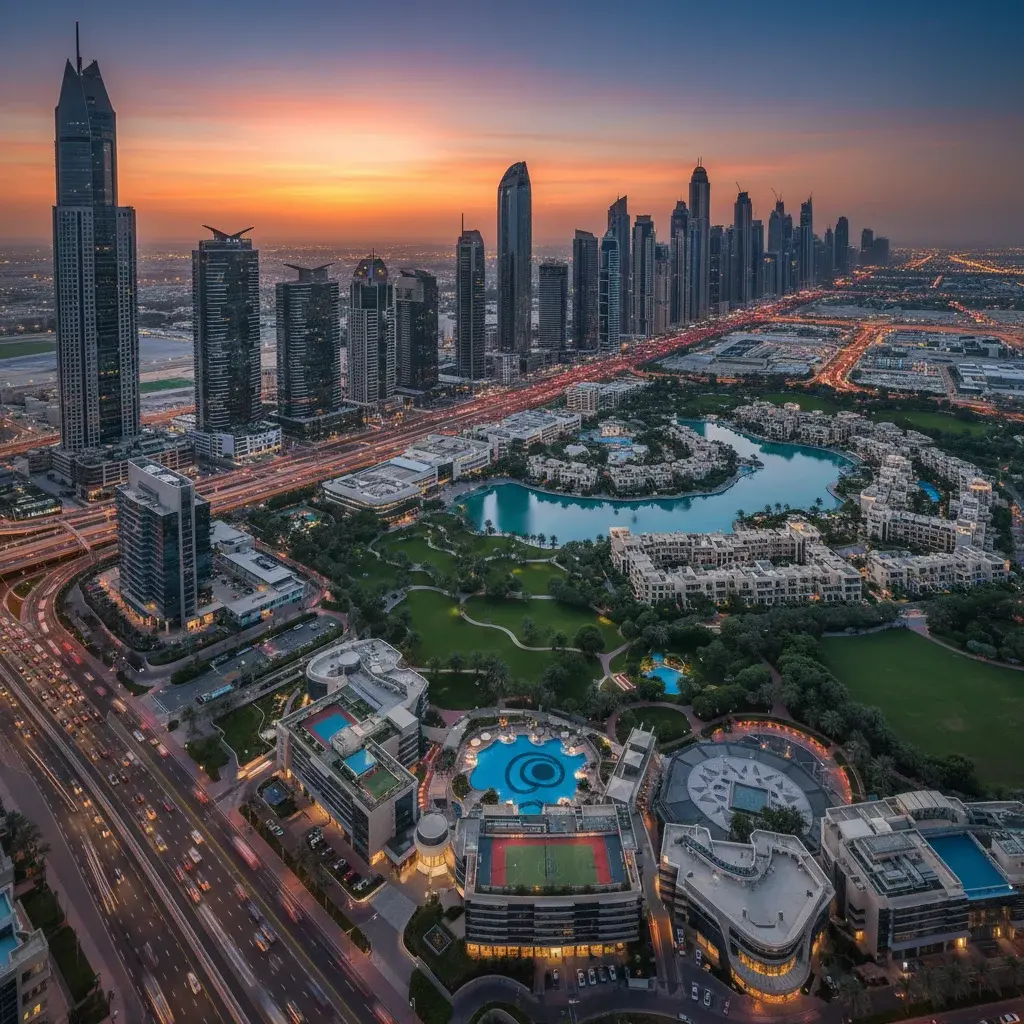
Dubai Metropolitan Area – Growth, Lifestyle & Connectivity
Explore the dubai metropolitan area for insights on urban growth, transport systems, and landmarks that shape this vibrant urban hub. Learn what makes living here unique.
Overview of the Dubai Metropolitan Area
The Dubai Metropolitan Area represents a significant portion of the emirate, serving as not only a geographical entity but also a critical economic and social hub. Encompassing various vital districts and communities, it plays a pivotal role in shaping the urban landscape and economic activities of Dubai.
Geographically, the property includes prominent locations such as Downtown Dubai and Business Bay, defining the city's modern skyline with iconic structures and ever-expanding developments. These areas are integral to the city's identity, reflecting its blend of tradition and modernity.
This metropolitan area is characterized by its diverse population, with residents from various cultural backgrounds contributing to a vibrant community atmosphere. The population surge in recent years can be linked to the rapid economic growth, attracting expatriates and investors alike.
As a major business hub, the development fosters strong financial and commercial activities. Areas such as Dubai International Financial Centre (DIFC) and Dubai Media City exemplify this economic dynamism, hosting numerous multinational corporations and media organizations.
A vital aspect of the property's appeal lies in its well-planned infrastructure, providing efficient transport links that facilitate easy movement across the region. The presence of metro stations and extensive road networks ensures accessibility, making it an attractive place for both professionals and families.
For those interested in exploring real estate opportunities, there are plenty of options available. Browse available properties for sale in this thriving area, each catering to diverse tastes and preferences, from high-end apartments to more affordable housing solutions.
Transportation Infrastructure Connecting the Region
The dubai metropolitan area boasts a comprehensive transportation infrastructure designed to support its rapid urban growth. Central to this infrastructure are the metro lines, a vital component of public transit that ensures seamless connectivity across major districts. The Red Line and Green Line serve as the backbone of the metro network, linking key locations and encouraging the use of public transport over personal vehicles.
Road networks, particularly Sheikh Zayed Road, provide essential access to the metropolitan region, facilitating the smooth flow of traffic. This highway connects the city’s bustling financial hubs with residential areas, significantly reducing travel times for commuters. Upgrades to existing road systems are continuously being implemented to accommodate the growing population and enhance overall transportation efficiency.
Public transportation options extend beyond the metro and road systems. The bus services operate extensively throughout the metropolitan area, offering additional routes to areas not serviced by the metro. This system is designed to support sustainability efforts and ease congestion on main roads.
To learn more about how transportation developments are influenced by urban dynamics, you can consult the urban studies offered at Zayed University. These initiatives exemplify how effective infrastructure planning can transform urban landscapes.
Recent upgrades in transportation are pivotal in supporting the area’s contemporary needs. As more residents and businesses flock to the region, such enhancements will play a key role in maintaining the movement and connectivity necessary for daily life and economic sustainability.
Dubai Metropolitan Area: Urban Development and Master Planning
Urban development within the dubai metropolitan area is driven by comprehensive strategies outlined in initiatives like the Dubai 2040 Urban Master Plan. This plan aims to enhance livability, boost economic growth, and promote sustainable land use throughout the region.
Key aspects of the Master Plan include the allocation of green spaces, integration of public transportation, and the promotion of mixed-use developments. These strategies not only enhance urban aesthetics but also foster a sense of community among residents.
Additionally, the plan focuses on balancing residential, commercial, and recreational spaces. By prioritizing areas for parks and nature reserves, the government is committed to improving air quality and providing residents with access to outdoor activities.
Sustainability is another central theme, emphasizing energy-efficient buildings and renewable energy sources. These initiatives align with global standards and aim to minimize the environmental impact of urban sprawl in the metropolitan area.
As part of ongoing evaluations, regular updates to the urban planning framework ensure that the community's needs are met as demographics and lifestyles change. Stakeholder engagement plays a critical role in this approach, ensuring that developments reflect the aspirations of residents.
Various projects under the Master Plan will reshape the infrastructure landscape, combining innovative designs with smart urban solutions. With these transformative efforts, the the property is poised for a highly sustainable and organized future.
Residential and Commercial Property Landscape
The Dubai Metropolitan Area showcases a diverse property landscape that meets the varying needs of its residents and businesses. From luxurious residential neighborhoods to bustling commercial hubs, the distribution reflects the city's rapid urban growth.
Residential properties encompass a range of options including apartments, villas, and townhouses. High-rise buildings dominate the skyline, particularly in areas like Dubai Marina and Downtown Dubai, providing urban living with views. Family-oriented neighborhoods such as Arabian Ranches or Jumeirah offer spacious homes with community amenities, catering to those seeking a quieter environment.
Commercial properties are primarily located within designated business districts such as the Dubai International Financial Centre and Dubai Media City. These areas host a mix of corporate offices, retail establishments, and coworking spaces that foster a dynamic work environment. The accessibility of these hubs appeals to both startups and established companies, contributing to the city's economic growth.
Commercial hubs also contain shopping malls and entertainment complexes, which enhance the mixed-use property appeal. Locations like Mall of the Emirates and Dubai Mall not only serve retail needs but also increase foot traffic for nearby businesses, creating a symbiotic relationship between residential and commercial entities.
This strategic mix of properties enhances the lifestyle in the area, facilitating community interaction. As the demand for housing and commercial spaces continues to grow, it’s crucial for potential buyers and investors to stay informed about market trends and neighborhood developments. Recognizing the intricacies of property types and their distribution will aid in making informed decisions, whether one is looking to buy, rent, or invest.
Key Landmarks and Recreational Areas
The dubai metropolitan area boasts a rich tapestry of landmarks and recreational spaces that not only elevate the urban experience but also draw residents and tourists alike.
One of the most iconic structures is the Burj Khalifa, the tallest building in the world, which offers views from its observation decks. Located in the heart of this urban expanse, the tower synergizes commercial and residential spaces, greatly contributing to the vibrancy of the area.
Adjacent to the Burj Khalifa, Dubai Mall stands as a premier shopping and entertainment destination. With over a thousand retail outlets, it features not just shops but also attractions like an aquarium and an ice rink, making it a hub for both shopping and leisure activities.
Culturally, the Dubai Opera serves as a flagship venue for arts and concerts, encompassing a diverse range of performances from opera to ballet. This landmark reflects the city’s commitment to fostering a rich cultural scene.
The Dubai Creek area, historically significant as a trading hub, now blends traditional attractions such as the Dubai Museum with contemporary elements, providing visitors with unique insights into the city's transformation over the years.
Recreationally, the Dubai Marina offers a plethora of waterfront activities. The promenade along the marina is perfect for walking and outdoor dining, greatly enhancing the lifestyle options for residents in the vicinity.
The integration of diverse landmarks and recreational areas within the the property enriches urban lifestyles, offering a blend of cultural experiences and leisure activities that cater to a wide demographic.
Economic Impact and Investment Opportunities
The dubai metropolitan area plays a pivotal role in shaping the economic landscape of the UAE. Its strategic position as a global hub fosters significant business and investment opportunities across various sectors.
Foreign investment trends reflect growing confidence in the metropolitan area's potential. Key industries driving this growth include technology, tourism, and real estate, which attract both local and international investors. The government’s initiatives to enhance the business environment further bolster investment attractiveness.
Real estate developments are critical to the economic vitality of the region. With an array of residential, commercial, and mixed-use projects underway, the metropolitan area continues to expand, meeting the increasing demand for diversified properties. These developments not only enhance living spaces but also create job opportunities, thus contributing to economic growth.
Investors are particularly drawn to the commercial sector, where the demand for office space is on the rise due to the influx of multinational companies. The combination of modern infrastructure, such as transportation networks and smart city initiatives, further supports commercial endeavors. These advancements enhance the operational efficiency for businesses, making the area an appealing choice for headquarters.
In addition, the extensive focus on cultural and leisure projects, including museums and entertainment facilities, enriches the lifestyle aspect of living in this dynamic locale. Such amenities elevate the appeal of the metropolitan area, attracting high-income residents and long-term renters.
Understanding the economic significance of this thriving region is crucial for potential investors. The development trajectory promises numerous opportunities in real estate and beyond, establishing it as a focal point for future growth.
This region offers a unique blend of connectivity, urban development, and lifestyle choices. Residents enjoy essential amenities and a vibrant community. The ongoing urban planning initiatives further enhance the area's appeal. Explore more about properties and urban living in this thriving environment with Skyloov.


