

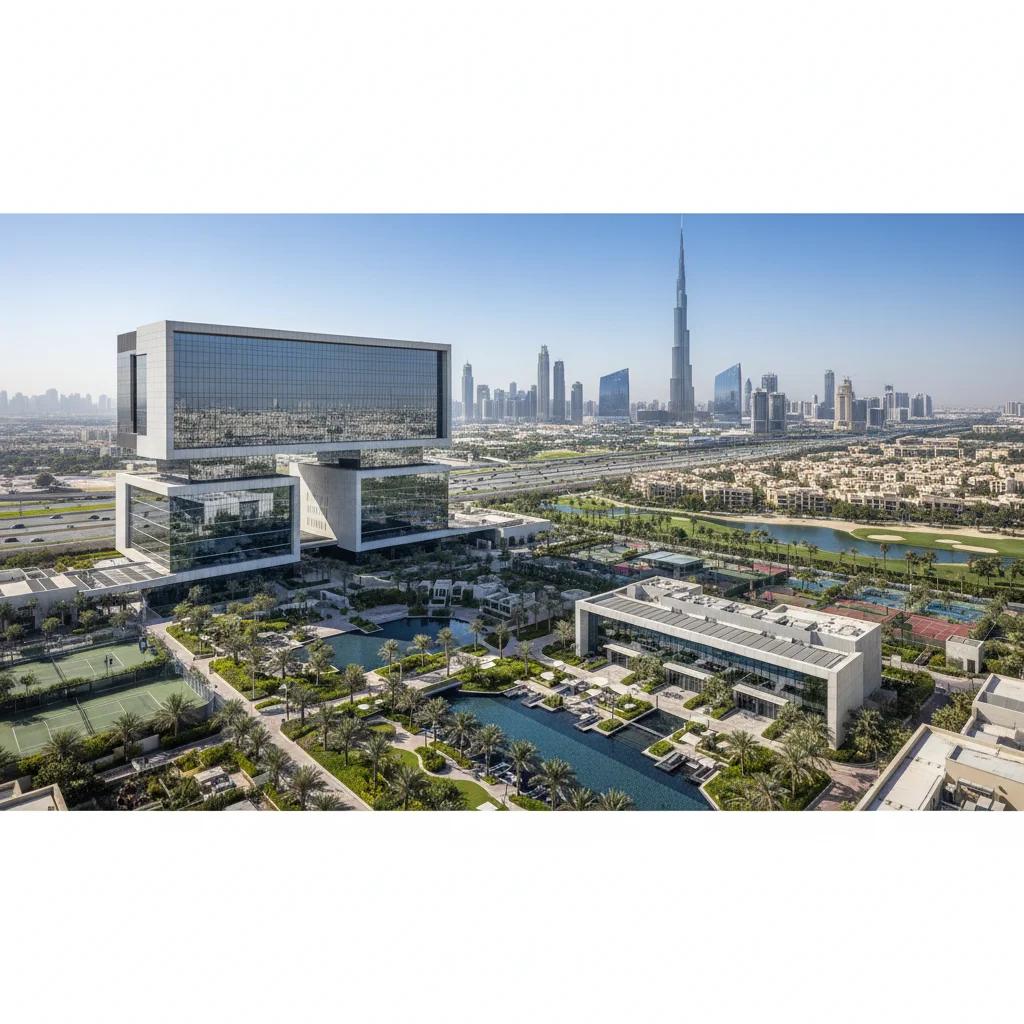
Emaar Owner – Understanding Leadership in Emaar Properties
- Emaar Owner: Who Founded and Controls Emaar Properties
- Corporate Governance and Board Influence at Emaar Properties
- Understanding Emaar Properties’ Public Ownership and Market Presence
- Significance of Emaar's Ownership Structure for Dubai’s Real Estate Landscape
- Role of Mohamed Alabbar Beyond Emaar: Broader Business and Leadership Impact
- How Ownership Affects Emaar’s Strategic Direction and Future Prospects
- FAQs
Explore the emaar owner landscape, focusing on the key figures behind Emaar Properties. Discover insights on ownership, governance, and the impact of leadership on the company's success.
Emaar Owner: Who Founded and Controls Emaar Properties
Mohamed Alabbar is the visionary behind emaar owner, the founder of Emaar Properties, which has transformed Dubai's real estate landscape since its inception in 1997. With a background in business and a keen understanding of the urban development sector, Alabbar played a crucial role in shaping the company’s ambitious projects, including landmark developments like the Burj Khalifa and Dubai Mall.
The establishment of Emaar was significantly backed by the UAE government, which provided essential support that facilitated rapid growth. As a semi-government entity, Emaar benefited from initial funding and favorable policies that enabled it to undertake substantial infrastructure and real estate ventures throughout Dubai and beyond.
Currently, Emaar Properties operates under a diverse ownership structure that includes both institutional and retail investors. This blend of ownership allows for a broad base of shareholders, ensuring stability and governance that is responsive to market needs. The combination of private and public investment positions the company advantageously for continuous growth and innovation in the real estate sector.
Key figures in the management structure reflect a mix of international expertise and local insight, driving the company’s strategy and operational efficiency. The board includes experienced professionals who bring their knowledge from various global markets, helping to elevate the Emaar brand on an international scale.
Interested parties can browse available properties for sale within Emaar developments, showcasing the diverse offerings the company brings to the market today. As Emaar continues to evolve, its governance and ownership structures remain pivotal in navigating the challenges and opportunities in the ever-competitive real estate arena.
Corporate Governance and Board Influence at Emaar Properties
Emaar Properties stands as a model of corporate governance, reflecting a careful blend of private and public interests. At the center of this governance structure is a dynamic board of directors, which comprises a mix of seasoned professionals with extensive industry experience. This diversity brings a wealth of perspectives to the decision-making process.
The the property strategy aligns with broader economic goals as the company navigates both national interests and shareholder expectations. This alignment enhances stakeholder confidence and sets a foundation for sustainable growth. Key board members play vital roles in influencing corporate policies that guide operational excellence and strategic initiatives across various sectors.
Voting dynamics within the board are pivotal in ensuring that decisions reflect the collective vision of Emaar. Shareholder meetings are structured to facilitate transparent discussions, empowering stakeholders to express their views. This approach not only fosters accountability but also promotes a culture of inclusivity within the organization.
The influence of government bodies on Emaar's board cannot be overlooked. Current policies and regulations impact the decision-making landscape, shaping the priorities of the organization. Board members often align corporate strategies with state initiatives, thereby reinforcing the company's commitment to community development and national objectives.
The implications of governance extend beyond mere compliance; they are integral to maintaining Emaar’s reputation as a leader in real estate. For further insights into the ownership structure and governance practices, you can refer to industry reports that detail its operational dynamics.
Understanding Emaar Properties’ Public Ownership and Market Presence
Emaar Properties stands as one of the most significant players in the UAE real estate market, primarily due to its structure as a publicly traded company on the Dubai Financial Market. This status establishes a crucial framework for investor engagement and ownership dynamics, revealing insights into the role of public shareholders.
A deep dive into Emaar's ownership illustrates the impact of sovereign-linked stakeholders, which typically include government entities or investment arms. These stakeholders hold substantial shares, thus influencing corporate governance and strategic decisions. The presence of these entities also instills a level of stability and confidence among smaller investors.
International institutional shareholders, another vital component, contribute to Emaar’s market presence. These investors actively participate in trading, providing the company with the capital needed for large-scale projects. Their involvement not only enhances the liquidity of Emaar's shares but also reflects global confidence in the company's performance and prospects.
The dynamics of the ownership structure can also impact the company’s strategic direction and operational decisions. With various stakeholders holding different interests and agendas, management must navigate these complexities effectively. Understanding the influences of the the property landscape is crucial for potential investors looking to gauge the company's future trajectory.
Monitoring changes in shareholder composition can provide valuable insights into market sentiment and investor confidence. As Emaar continues to develop landmark projects, its ability to attract and maintain a diverse shareholder base will play a pivotal role in sustaining its growth and market relevance.
Significance of Emaar's Ownership Structure for Dubai’s Real Estate Landscape
Emaar Properties stands as a cornerstone of Dubai's urban landscape, with its ownership structure playing a critical role in shaping the city's real estate dynamics. The emaar owner provides a stable framework that enhances trust and confidence among investors and stakeholders.
Ownership stability is essential for large-scale projects. With strategic backing, Emaar effectively navigates the complexities of real estate development and urban planning. This consistency in governance enables the company to launch and sustain iconic projects that resonate with the vision of a global city.
The alignment of ownership interests with national growth objectives underscores Emaar's pivotal function in Dubai’s strategic development plans. The commitment of stakeholders ensures that projects not only contribute to profitability but also enhance the city’s global standing.
This synergy between ownership and development allows for timely adaptations to market demands and urban trends. By leveraging its resources and insights, Emaar can deliver projects that meet the evolving needs of residents and investors alike.
Additionally, the significance of the company's leadership cannot be understated. Key figures at Emaar have consistently distinguished themselves with their vision and expertise, steering the company through various market cycles while maintaining its competitive edge.
Understanding this ownership structure reveals the backbone of Dubai's real estate ecosystem. Emaar's role is not merely transactional; it embodies a commitment to long-term growth and sustainability for the region.
Role of Mohamed Alabbar Beyond Emaar: Broader Business and Leadership Impact
Mohamed Alabbar, the founder and chairman of Emaar Properties, has made significant strides beyond his role with the company. As an influential figure in the UAE's business landscape, he has energetically pursued interests in various sectors, particularly hospitality and retail.
His leadership extends to several key ventures, including being a pivotal figure in the development of the Dubai Mall, one of the largest shopping malls in the world. This landmark contributes significantly to Dubai's reputation as a global shopping destination, impacting the local and regional economy.
In addition to retail, Alabbar's impact is profound in the hospitality industry, with investments in luxury hotel brands. His ownership stakes and partnerships with various international hotel chains have enhanced Dubai's profile as a leading tourist destination, showcasing the city’s commitment to high-quality hospitality services.
Alabbar's role is not confined to hospitality and retail; he also plays a significant part in international real estate ventures. As a prominent advocate for foreign investments in the Middle East, he has helped attract global investors, thereby shaping the region's real estate ecosystem. His strategic vision has made him a revered figure, influencing market trends and setting standards for excellence.
The the property actively engages in philanthropic efforts, contributing to community welfare and sustainable development projects. His initiatives reflect a commitment to social responsibility, emphasizing the importance of giving back to the community and ensuring sustainable practices in business operations.
The breadth of Mohamed Alabbar's influence extends far beyond Emaar, establishing him as a key player in various industries and cementing his legacy in the UAE's economic landscape. His forward-thinking approach and unwavering commitment can inspire current and future entrepreneurs aiming for excellence in their ventures.
How Ownership Affects Emaar’s Strategic Direction and Future Prospects
Ownership dynamics play a critical role in shaping Emaar Properties' strategic direction. The emaar owner structure influences decisions related to international expansion and diversification of investment portfolios, catering to evolving market conditions.
A diverse ownership base enhances strategic flexibility, allowing Emaar to adapt its initiatives swiftly. This adaptability is vital as the company navigates competitive landscapes and corrects course when market shifts occur. It fosters a proactive stance toward growing in regions with emerging opportunities.
In addition, the ownership composition is linked to Emaar's commitment to Environmental, Social, and Governance (ESG) principles. Stakeholders increasingly demand transparency and sustainability from property developments. Emaar’s owners influence how the company integrates these values into its projects, aligning long-term strategies with societal expectations.
Investor relations are another area significantly impacted by ownership structure. Engaged shareholders can provide valuable insights and push for initiatives that may have differing levels of risk tolerance. This responsive interaction ensures that Emaar remains aligned with investor interests while pursuing ambitious growth plans.
Looking ahead, the strategic vision of Emaar will likely be shaped by the ongoing evolution of its ownership. Stakeholders should monitor how these dynamics influence the company's regional and global ambitions, especially as economic and environmental factors increasingly come into play.
The structure of ownership plays a pivotal role in shaping Emaar Properties’ strategy and market position. Understanding the main figures and their influence provides invaluable insights into the company’s operations and growth trajectory. This clarity is essential for stakeholders navigating the dynamic real estate landscape. Explore more on Skyloov for deeper insights and properties.


