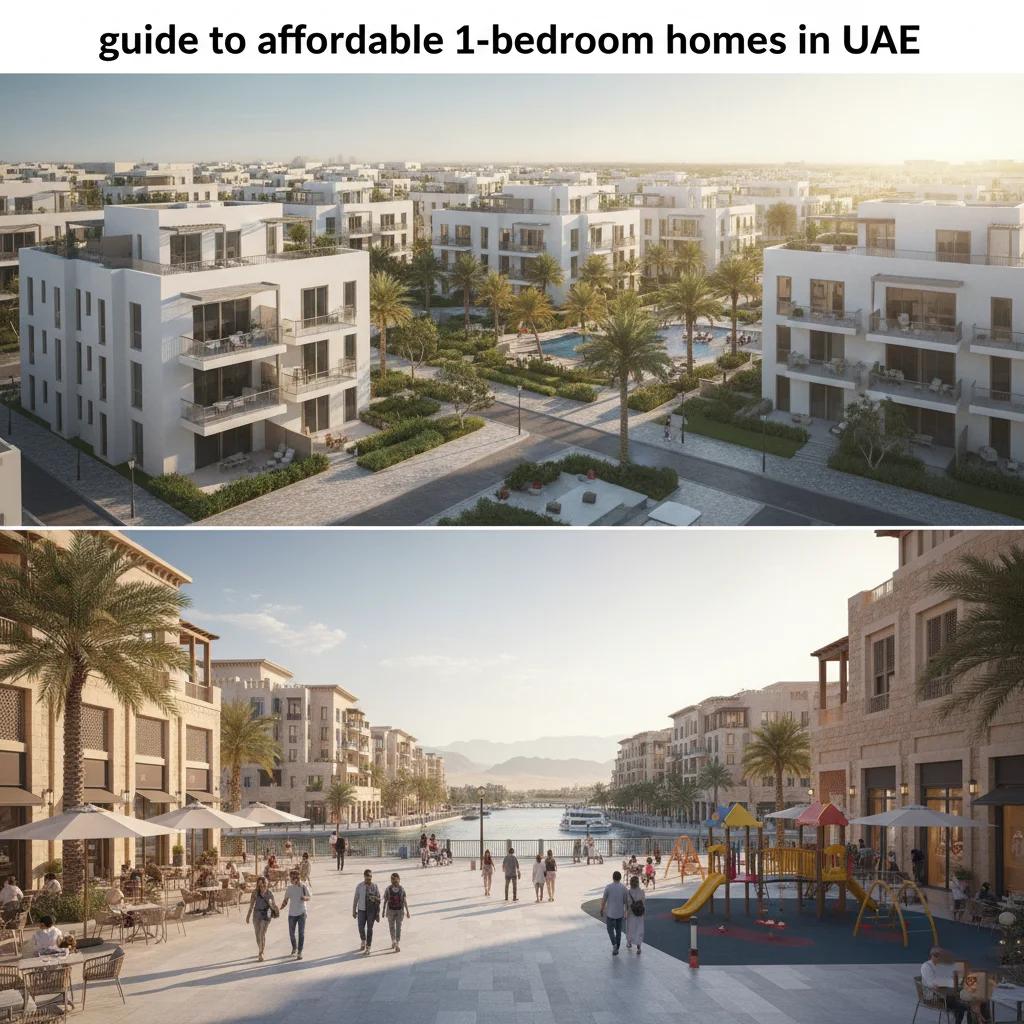
guide to affordable 1-bedroom homes in UAE
There’s been a noticeable shift in the UAE real estate scene: smaller, 1-bedroom apartments are becoming a hot topic, especially in Umm Al Quwain. What once was considered a fringe market for affordable homes is now grabbing attention—and for good reason. This article digs into why that’s happening, what it means for buyers and investors, and how UAQ is quietly changing the rules for what “affordable property” looks like.
What’s Driving the Trend toward 1-Bedroom Homes in UAQ
Rising living costs and changing buyer preferences are pushing demand for smaller, more affordable homes in the UAE beyond the usual hotspots.
Apartment prices across major UAE cities rose sharply in recent years: for example, apartment prices in one emirate rose ~15-18% year-on-year, driven by strong interest from first-time buyers. Meanwhile, reports show locations such as UAQ are being considered by those looking to enter the property market without having to stretch into million-dirham territory. When the cost of 2- or 3-bedroom apartments becomes too high, many prospective homeowners or young professionals naturally look at 1-bedroom units. These offer a kind of “sweet spot” between affordability and ownership. UAQ, being less saturated, less expensive in land value, and with emerging infrastructure, becomes an attractive choice. The rising prices elsewhere force people to seek value in places that still offer room to grow, and UAQ is one of them.
How “Affordable” Is Affordable in UAQ—Actual Numbers
While UAQ is more accessible than the major emirates, “affordable” is still relative—and the lower bounds are creeping upward.
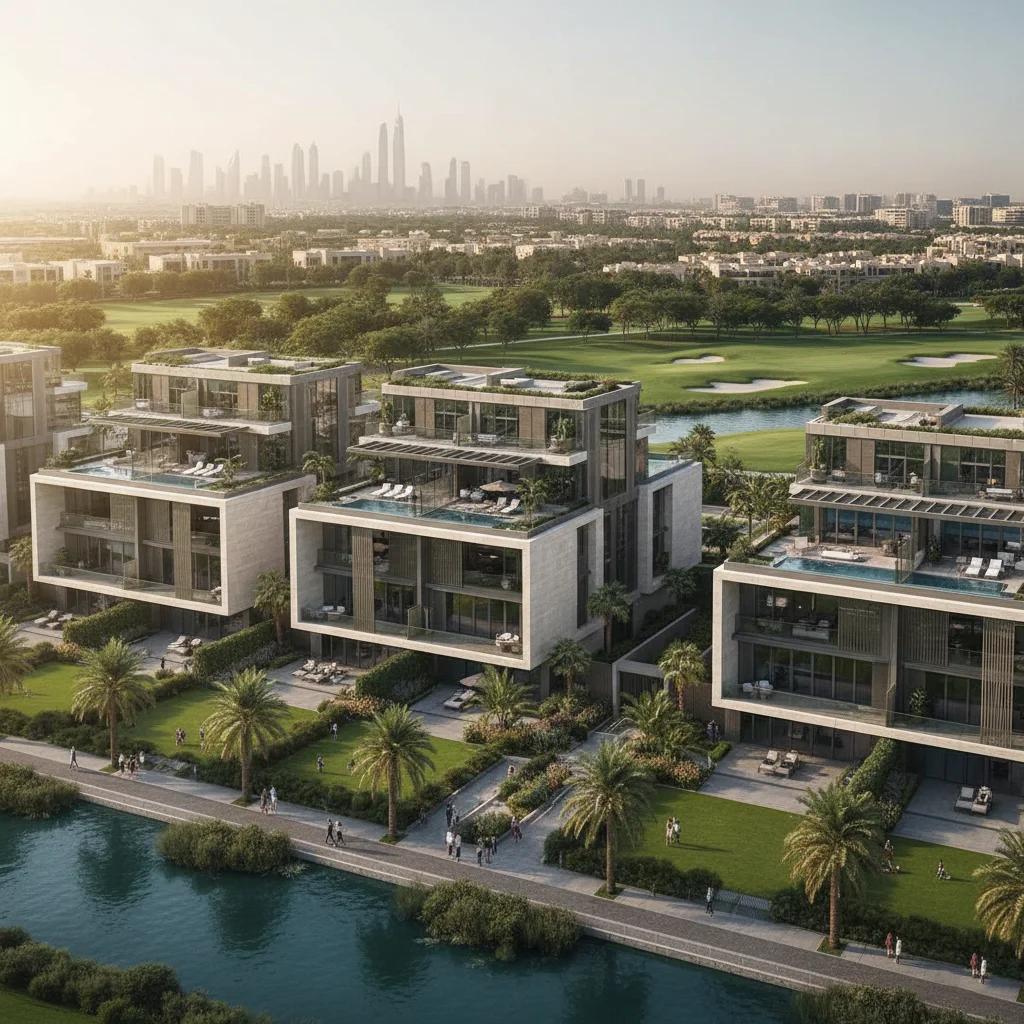
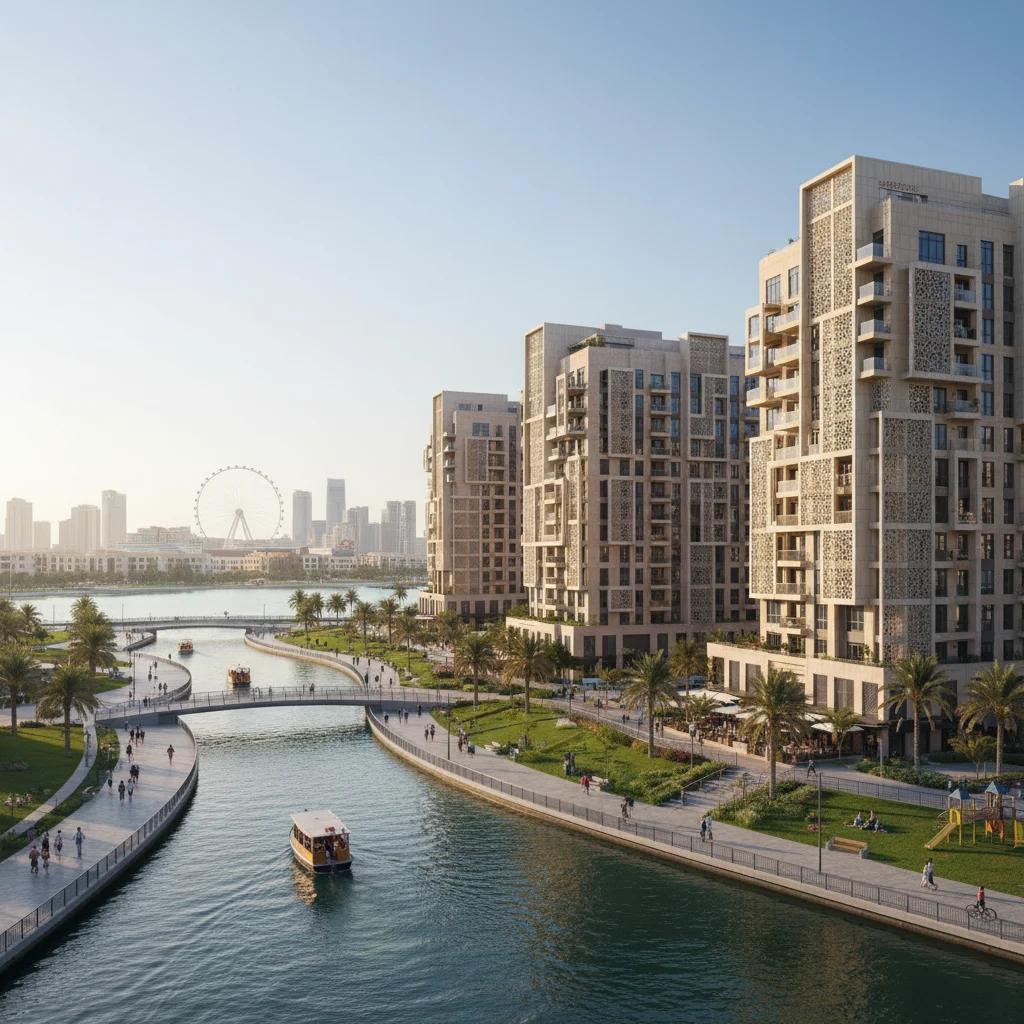
One recent launch of 1-bedroom apartments in UAQ starts from about AED 1,110,000. Projects in waterfront or prime locations (e.g. island or marina zones) are listing 1-bedroom apartments for ~AED 1.2 million or higher. On the other hand, listings around UAQ’s less central or more basic zones sometimes show starting prices nearer to AED 700,000 (or the Dh equivalent), particularly for smaller apartments or studios. These figures show that while the market is more affordable compared to the luxury segments in Dubai or Abu Dhabi, UAQ is no longer “cheap.” Prime locations push prices up. The gap between what was once considered “entry-level” and current “affordable” is narrowing. What one might have bought for AED 800,000 a few years back may now cost over AED 1,000,000 in desirable UAQ zones. Thus, affordability is being re-defined.
Understanding the actual numbers helps set realistic expectations: yes, UAQ is more affordable, but prospective buyers need to know what zones and what conditions define “entry-level” there now.
Why This Matters: Social & Economic Importance
The trend toward more affordable, smaller homes has important implications for society, the economy, and future urban planning in the UAE.
The UAE has seen property transactions and values jump across its emirates—buyer interest in new developments has risen by nearly one-third each quarter between mid-2024 and mid-2025. Additionally, reports highlight that demand for affordable housing and mixed-use developments is expected to grow strongly in emirates beyond the traditional luxury markets. These trends reflect more than just market preferences—they point to evolving demographics (younger professionals, smaller households), rising living costs, and changes in how people think about work and home (e.g. less emphasis on size, more on proximity, amenities). For the UAE, ensuring a supply of affordable housing is critical to maintain social stability, attract talent, and avoid unsustainable price inflation. For UAQ, this is an opportunity to position itself as a desirable alternative: offering a combination of affordability, lifestyle, and growth potential.
The “Science” of How It’s Being Done: Mechanics & Enablers
Several structural, policy, and market forces are working together to make affordable 1-bedroom UAQ homes viable.
Key enablers include freehold zones being more accessible, incoming off-plan developments, infrastructure improvements, and financing options. For example, multiple waterfront and island projects in UAQ offer 1-bedroom units at elevated prices but with more amenities. Also, some locations in UAQ have homes starting from around Dh700,000 (approx. AED 700,000) for smaller units, which shows that there are places still below the million-AED mark for flexible buyers. Off-plan developments tend to allow buyers to lock in lower prices, payment plans stretch the cost over time, while newer infrastructure (roads, bridges, services) increase appeal and reduce the “cost” of being further from major cities. Freehold or foreign-friendly ownership laws broaden the pool of buyers, pushing competition. In effect, UAQ is benefiting from spillover effects from more saturated emirates: when Dubai or Abu Dhabi get expensive, demand migrates outward, prompting developers and policy makers to invest in UAQ too.
Special Features & Risks: What Makes UAQ Different (and What to Watch)
UAQ offers some unique advantages, but also comes with risks that every buyer should know.
On the plus side: waterfront locations, natural scenic beauty (coastlines, mangroves), less dense development, relaxed lifestyle. These are attracting people who want quality of life, not just real estate status. On the risk side: some areas still lack full amenities, infrastructure is still catching up; liquidity (how fast you can sell a property) is lower than in more established markets; not all zones are ready for big rises in demand. The trade-off is classic: you get relative affordability and lifestyle benefits, but you may sacrifice immediate convenience or resale speed. Waterfront or prime areas can cost more, and as demand increases, so will expectations (amenities, services). Developers may announce projects and payment plans, but delays or incomplete infrastructure can affect value. Buyers should carefully inspect where exactly in UAQ a 1-bedroom unit is: is it near schools, hospitals, transport? Or is it remote?
Knowing the special features and the risks gives potential buyers a more balanced picture—what seems “cheap” might carry hidden costs, but for many, the balance still tips toward a smart decision.
What Buyers Should Learn & How to Make Good Decisions
For anyone interested in buying an affordable 1-bedroom in UAQ, doing proper homework can make the difference between a good deal and regrets.
Examples of good practice include comparing price per square foot/meter across locations; checking developer reputation and project delivery history; ensuring there are flexible payment plans; factoring in extra costs (maintenance, community fees, transport) beyond the advertised price. Recent market reports show that median apartment asking prices are up significantly year-on-year, driven especially by smaller units, which means catching a property early or in less prime zones can save a lot. These steps help you avoid overpaying or being stuck in a unit that underdelivers. For example, paying AED 1,100,000 for a 1-bedroom in a remote area with few amenities might turn out worse value than paying slightly more for a well-located unit that will appreciate faster and be easier to rent or sell. Also, flexible financing or paying off-plan can reduce upfront cost, but comes with risk (delays, quality). So risk tolerance matters.
Learning these lessons empowers buyers to take advantage of the UAQ opportunity intelligently—not just hoping for “cheap,” but aiming for value.
What’s Next: Where This Trend Might Lead
If current patterns continue, UAQ’s property market might see accelerated development, rising prices, and new market dynamics.
Market analyses project double-digit growth in affordable housing and mixed-use developments in various emirates beyond the major ones. UAQ’s average property price per square meter recently even overtook some larger emirates in certain reports, reflecting how much the prices have already appreciated. As UAQ becomes more desirable, the first movers (buyers and developers) benefit. New infrastructure will follow, amenities will catch up, and more people will consider UAQ not just as an alternate but as a destination. But that also means that the window of “more affordable” may narrow—prices in prime locations will rise, so what looks affordable now might look expensive later.
Conclusion
Here’s what this news about affordable 1-bedroom homes in UAQ really means: it’s no longer just about cheaper alternatives—it’s about being part of a broader evolution in how people buy, live, and invest in the UAE. If you’re considering buying, especially for the first time, UAQ offers compelling potential. But it pays to move smart: check the real numbers, compare locations, understand costs beyond the listing, and have a long-term perspective. For many, “affordable” won’t just be about saving money—it will be about getting value, peace of mind, and perhaps even capital gains down the road.