

House for Rent in Dubai – Essential Guide for Renters
- House for Rent in Dubai: Market Overview and Popular Areas
- Types of Houses Available and Their Features in Dubai
- House for Rent in Dubai: Rental Process and Important Tips
- Legal Considerations for Renting Residential Properties in Dubai
- Cost of Living and Utilities for Renters in Dubai Houses
- Lifestyle and Amenities: What Renters Can Expect in Dubai's Housing Communities
- FAQs
House for rent in Dubai provides essential insights for renters, covering market trends, types of houses, legal considerations, and living costs. Navigate the Dubai rental landscape with confidence.
House for Rent in Dubai: Market Overview and Popular Areas
The market for house for rent in dubai has evolved significantly in recent years, driven by various factors including population growth and economic diversification. Renters can choose from a range of options that fit diverse lifestyles, with popular areas offering their own unique appeal.
Dubai Marina remains one of the top choices for those seeking a vibrant lifestyle. Known for its waterfront views and proximity to leisure activities, this area provides access to a multitude of dining and entertainment options. Families often prefer Jumeirah for its safe environment and excellent schools, making it ideal for long-term residency.
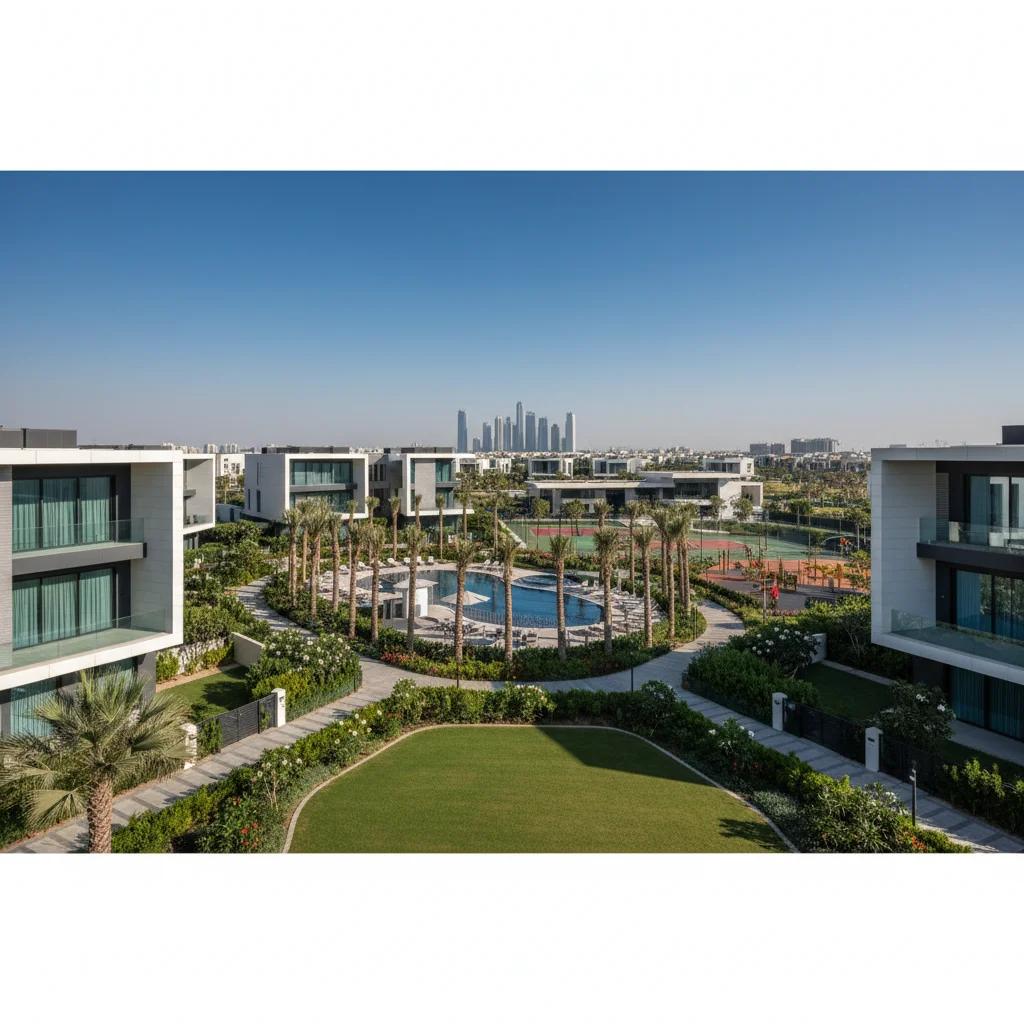
Areas like Dubai Hills Estate and Arabian Ranches cater to residents looking for more space and greenery. These communities often include parks and sports facilities, attracting both families and professionals who value outdoor recreational options.
For those with a tighter budget, Al Nahda and Deira provide affordable houses for rent while still being close to essential amenities. These neighborhoods feature local markets and dining options, catering to residents who prioritize convenience over luxury.
Those interested in exploring available options can find a variety of listings tailored to different needs and price ranges. Browse available properties for sale in the area to compare options and make informed decisions regarding their rental choices.
As the rental landscape continues to adapt, potential tenants are encouraged to research neighborhoods thoroughly to find a suitable the property. Understanding the features and benefits of each location will enhance the overall renting experience.
Types of Houses Available and Their Features in Dubai
Dubai offers a diverse range of housing options for those seeking a house for rent in dubai, particularly favoring villas, townhouses, and standalone homes. Each type has its unique characteristics that cater to various lifestyle preferences and living arrangements.
Villas in Dubai are commonly found in family-friendly communities. They usually feature spacious layouts, multiple bedrooms, private gardens, and often a swimming pool. Typical designs prioritize open-plan living, integrating modern kitchens with dining and living spaces. Such homes are ideal for families and those seeking ample living space.
Townhouses serve as a great intermediary option, combining the benefits of both apartments and villas. They often come in clusters, providing a sense of community while maintaining privacy. These properties usually include multiple floors, offering bedroom spaces away from the common areas, and many boast small outdoor patios or gardens. They cater to those looking for community engagement without sacrificing personal space.
Standalone homes represent another appealing choice, often situated in quieter neighborhoods. These houses typically offer the most privacy and often include larger plots of land. They may feature extensive outdoor areas, ideal for those who appreciate green space or entertainment potential. Standalone homes can vary widely in architecture, giving renters a diverse aesthetic choice.
Understanding the differences among these housing types helps potential renters make informed decisions. Each option carries its price point and maintenance considerations. Resources like Sotheby’s International Realty provide extensive listings and insights, assisting renters in finding the ideal home that fits their needs in Dubai. Ultimately, choosing the right type of house can enhance your living experience in this dynamic city.
House for Rent in Dubai: Rental Process and Important Tips
Navigating the rental process for a house for rent in dubai involves several key steps. Understanding these can simplify the experience and help tenants secure a suitable property efficiently.
First, prospective renters should gather the necessary documentation. This typically includes a copy of the passport, residency visa, and a salary certificate from the employer. Some landlords might also request references or proof of previous tenancy agreements.
Next, tenants will need to sign a tenancy contract. This document outlines the terms of the lease, including the rental amount, duration, and responsibilities regarding maintenance and utilities. It is crucial to read the contract thoroughly before signing to avoid any misunderstandings later.
Entry to the property often requires a security deposit, usually equivalent to one month’s rent, which is refundable at the end of the tenancy, subject to the property’s condition. Clarifying this aspect during negotiations can prevent later disputes.
Potential renters should consider visiting the property multiple times during different hours of the day. This practice provides insights into the neighborhood’s noise levels, natural light, and overall appeal. Engaging a reliable real estate agent can also facilitate this process, ensuring that all legal requirements are met.
By following these steps and being well-informed, tenants can secure a house that meets their needs and enjoy a seamless rental experience in Dubai.
Legal Considerations for Renting Residential Properties in Dubai
Legal norms in Dubai shape the renting landscape significantly. When searching for a house for rent in Dubai, tenants must understand their rights and obligations under local laws. The Dubai Rental Law provides a framework ensuring clarity regarding rental agreements, rights for both tenants and landlords, and the process for dispute resolution.
Tenants have the right to a clear, written tenancy contract that outlines rental terms, including duration, rental amount, payment schedules, and maintenance responsibilities. According to the law, landlords are obligated to maintain the property and ensure it is livable during the lease period. This legal protection enables renters to hold landlords accountable for property conditions.
The rental agreement usually includes a notice period for termination, often set at 90 days. If a tenant wishes to vacate, they must notify the landlord within this timeframe. For disputes arising between landlords and tenants, Dubai has established rental dispute resolution committees that handle such issues, ensuring an expeditious and fair process.
One critical point to note involves rental increases. The Dubai Real Estate Regulatory Authority (RERA) regulates how and when rents can be increased. Landlords cannot increase rent beyond the percentage established by RERA, providing financial protection for tenants. Familiarizing oneself with these rules can prevent unexpected rent hikes and ensure compliance on both sides.
Renters should also be aware that, according to the law, any agreement signed must be registered with RERA to be enforceable. This involves submitting the contract to the Ejari system, which authenticates the lease registration, ensuring all parties fulfill their legal commitments. Knowing these legal considerations is vital for anyone considering a rental arrangement in Dubai.
Cost of Living and Utilities for Renters in Dubai Houses
Renting a house in Dubai involves several costs beyond just the monthly rent. Understanding these expenses is key for potential tenants to manage their budgets effectively. When considering a house for rent in dubai, it’s crucial to factor in utilities like water, electricity, and gas, which can vary significantly based on usage and the size of the property.
Utility bills can be one of the largest monthly expenses. Generally, tenants are responsible for these bills unless otherwise specified in the lease agreement. Water and electricity are typically billed separately, and providers are regulated by the Dubai Electricity and Water Authority (DEWA), ensuring transparency in the pricing structure.
Maintenance fees also add to the overall cost. In many cases, landlords may charge tenants for regular maintenance or repairs not covered under normal living expenses. Understanding what maintenance is included in the rent versus what will incur additional costs is essential. This information is usually outlined in the rental agreement.
Internet and cable TV are other expenses to consider. Many landlords do not include these services in the rent, leaving tenants to set up and manage their subscriptions. Packages vary in cost, influenced by the provider and the type of service selected.
Lastly, tenants should also be aware of any fees related to community services. In some neighborhoods, there may be service fees for security, landscaping, or community initiatives that are levied by the property management. Understanding all these costs will help renters develop a more accurate monthly budget when seeking a property.
Lifestyle and Amenities: What Renters Can Expect in Dubai's Housing Communities
Renters seeking a house for rent in dubai will find a variety of lifestyle amenities that enhance day-to-day living. Many communities feature well-maintained parks where families can enjoy outdoor activities, jogging trails, and children's play areas.
Access to quality education is a priority for families, and Dubai offers numerous schools within close proximity to residential areas. Many properties are located near reputable schools, making the daily school run convenient for parents.
Shopping malls are another staple of Dubai’s residential landscape. Various houses for rent are situated near major malls, providing residents with easy access to retail shops, dining options, and entertainment venues. These malls often host community events and activities, fostering a sense of belonging.
Public transport is another significant consideration. Many rental homes are conveniently located near metro stations and bus routes, allowing residents to commute easily within the city. Efficient public transport systems reduce reliance on private vehicles, which is an added benefit to living in such communities.
Safety and security are also emphasized in several neighborhoods. Gated communities often provide additional measures to ensure peace of mind for families and individuals alike. This combination of amenities contributes to an overall pleasing lifestyle for renters.
By considering lifestyle factors and available amenities, renters can make informed decisions about their housing options in this vibrant city. Each community presents unique offerings that cater to various needs, ensuring a fulfilling living experience in Dubai.
Finding the right rental home in Dubai doesn't have to be overwhelming. With such a diverse range of properties available, there's something to suit every preference and budget. Understanding the rental process and legal considerations is essential for potential renters. For more insights and property listings, feel free to explore Skyloov.


