

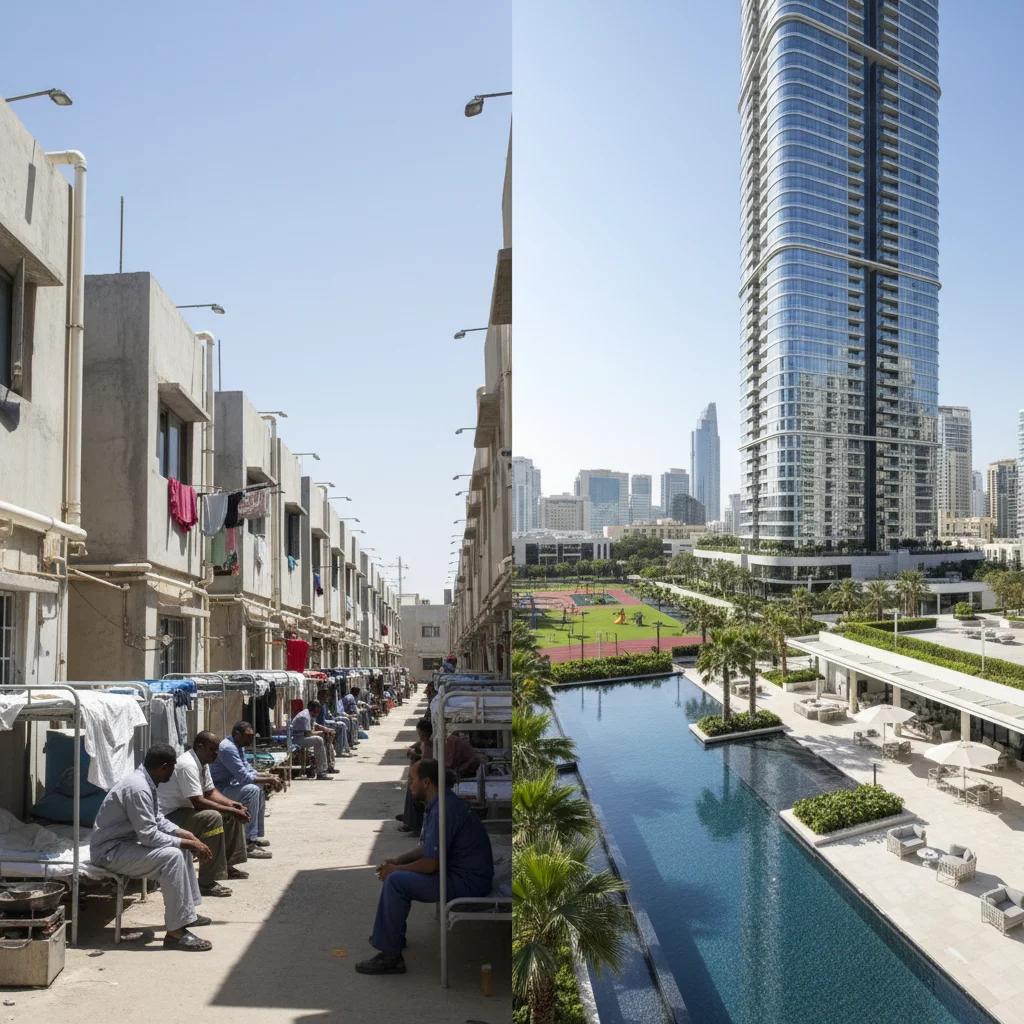
Labor Camp in UAE – Understanding Worker Conditions
- Labor Camp in UAE: An Overview of Worker Housing
- Regulatory Framework Governing Worker Accommodations
- Labor Camp in UAE: Living Conditions and Worker Experiences
- Government and Corporate Initiatives to Improve Worker Welfare
- Socioeconomic Impact of Labor Camps on the UAE Economy
- Future Outlook: Trends and Reforms in Worker Housing
- FAQs
Explore labor camp facilities in the UAE, covering regulations, living conditions, and government reforms affecting workers' welfare. This guide provides a comprehensive overview for stakeholders.
Labor Camp in UAE: An Overview of Worker Housing
Labor camps are essential accommodations designed specifically for the workforce in the UAE. They serve to house the thousands of migrant workers who contribute significantly to the nation's economy. Typically located near major construction sites or industrial zones, these camps are crucial in providing a stable environment for workers who may spend long hours on the job.
The general layout of a the property includes basic living quarters, communal dining areas, and recreational facilities. These spaces are intended to foster a sense of community among residents while ensuring their basic daily needs are met. Emphasis on safety and sanitation regulations has become increasingly important to maintain the well-being of workers living in these facilities.
Historically, the propertys have faced various challenges ranging from perceptions of substandard living conditions to regulatory pressures. As the UAE continues to evolve, so too does its approach to worker accommodation. Recent regulations have aimed to enhance living standards and ensure compliance with more rigorous safety and welfare standards, reflecting a commitment to the dignity of the labor force.
Beyond basic housing, these facilities play a significant role in the socioeconomic landscape of the country. They not only provide shelter but also contribute to the overall stability of the labor market. This enables companies to maintain a consistent and reliable workforce, which is vital for the continued growth of various sectors, including construction and services.
For those interested in exploring available accommodation options, browse available properties for sale in the area. Understanding the landscape of the propertys and their significance can pave the way for better appreciation of the contributions made by migrant workers in the UAE.
Regulatory Framework Governing Worker Accommodations
The regulatory framework surrounding labor camp accommodations in the UAE is robust, reflecting the government's commitment to ensuring worker welfare. Regulations mandate that labor camps meet specific standards for safety, health, and hygiene to provide adequate living conditions for workers.
Authorities regularly conduct inspections to monitor compliance with these standards. The Ministry of Human Resources and Emiratisation plays a central role in this oversight, implementing inspections to ensure that all practices align with established laws and regulations. The inspections may include assessments of living spaces, sanitation facilities, and safety measures.
Recent reforms have further enhanced these regulatory measures, focusing on improving the quality of life for workers. Among the changes, there has been an increased emphasis on providing amenities such as recreation areas, access to water, and conditions conducive to health. These reforms aim to protect worker rights and ensure dignified living conditions.
Understanding these regulations is crucial for both employers and workers. Employers must ensure compliance to avoid penalties and foster a positive work environment, while workers should be aware of their rights regarding housing conditions. Resources like relevant policies provide valuable insight into the protections afforded to them.
The regulatory landscape for the propertys in the UAE is continuously evolving to ensure that labor rights are honored and that workers are provided with safe and hygienic living conditions. Continuous dialogue between authorities and stakeholders is essential for ongoing improvements.
Labor Camp in UAE: Living Conditions and Worker Experiences
Living conditions in a labor camp in the UAE vary widely, influenced by numerous factors such as location, operator, and the specific regulations that govern worker accommodation. Typically, these camps house a large number of workers and provide basic amenities such as shared rooms, communal kitchens, and recreational areas.
Accommodation standards in these camps are subject to governmental regulations, which mandate certain safety and hygiene measures. However, the implementation of these standards can differ based on the operator's compliance. Some workers express concerns regarding overcrowding and the quality of facilities, which can impact their daily living experience.
Facilities within the camps often include dining areas and basic recreational options. Despite these provisions, many workers report that the facilities do not always meet their expectations. Access to hygiene resources like clean water and proper waste disposal significantly affects their well-being, leading to potential health challenges if not adequately managed.
Community aspects are vital in shaping the worker experience in the propertys. Social interactions among workers can provide emotional support, helping alleviate feelings of isolation. However, the degree of community cohesion often depends on the design of the living spaces and the availability of communal facilities.
Understanding the perspectives of workers living in these camps is crucial. Reports indicate that many face challenges that stem from both the physical environment and regulatory gaps. These insights underscore the need for continued advocacy for improvements in living conditions to ensure safe and healthy environments for all workers in the UAE.
Government and Corporate Initiatives to Improve Worker Welfare
The UAE government has made substantial strides in enhancing the welfare of workers residing in labor camps. Initiatives include infrastructural upgrades to ensure that accommodations meet health and safety standards.
One primary focus is on improving living conditions. This includes maintaining clean and spacious environments, as well as providing access to essential facilities such as kitchens and recreational areas. Employers are responsible for ensuring that these standards are upheld consistently.
Health campaigns have also been instrumental in promoting wellness among workers. Regular health check-ups, vaccinations, and mental health support are becoming commonplace in various labor accommodations. The collaboration between the government and health organizations aims to create a healthier workforce, reducing sickness rates and increasing productivity.
Partnerships between the government and private sector create frameworks for compliance and improvement. Regular inspections and the implementation of best practices are part of a broader effort to enhance the living conditions within these facilities.
Training programs for both employers and workers focus on rights awareness, health, and safety practices. These educational initiatives empower workers to advocate for their well-being while ensuring that employers are held accountable for maintaining safe environments.
The UAE's commitment to improving the standards of the propertys demonstrates a proactive approach toward worker welfare. Continued focus on these areas not only benefits the workers but also contributes to the overall economic health of the nation.
Socioeconomic Impact of Labor Camps on the UAE Economy
The labor camp system plays a vital role in the socioeconomic framework of the United Arab Emirates. These accommodations provide housing for a substantial portion of the workforce employed in the country’s booming construction and service sectors. As economic growth continues, the demand for effective labor accommodation remains significant.
A well-managed the property not only ensures comfortable housing but also directly contributes to workforce stability. Stable accommodations help reduce turnover rates, ensuring that projects are completed on time and within budget. This stability is essential for the continuity of large-scale infrastructure projects that drive economic development.
Adequate living conditions enhance the overall productivity and morale of workers. Investment in the quality of these accommodations frequently translates into tangible benefits for employers since a satisfied workforce is often more productive. As such, the propertys are not merely residential facilities but integral components of the UAE's economic landscape.
Government regulations ensure that the propertys meet specific standards aimed at protecting workers' rights and ensuring their wellbeing. These regulations enhance the reputation of the industry and contribute to attracting international businesses that prioritize ethical practices in labor conditions. Compliance with these regulations, therefore, becomes a critical aspect for companies looking to operate successfully in the UAE.
The socioeconomic impact of the propertys in the UAE reaches far beyond mere accommodation. They are essential for maintaining a robust labor force, supporting construction and development sectors, and adhering to regulations that protect workers. As the UAE continues to grow, the role of these facilities will likely expand, reflecting the country's commitment to sustainable economic practices.
Future Outlook: Trends and Reforms in Worker Housing
Ongoing reforms in the UAE aim to enhance conditions within labor camps, reflecting a commitment to improving worker accommodations. These changes align with international labor standards, ensuring better living conditions, safety, and overall well-being for workers.
The government is increasingly enforcing regulations that mandate higher safety and hygiene standards in these facilities. Inspectors are conducting regular audits to ensure compliance, which promotes accountability among employers managing such housing types. Enhanced monitoring is likely to minimize issues related to overcrowding and inadequate facilities.
There is also a noticeable shift towards adopting alternative worker housing models. Initiatives focusing on affordable housing options offer comprehensive solutions that provide better living circumstances beyond traditional the propertys. Such developments aim to meet the diverse needs of workers and enhance their quality of life.
As the labor market continues to evolve, the concept of integrated communities is gaining traction. These communities may blend traditional housing with amenities and facilities tailored for the workforce, promoting a sense of belonging and community spirit.
Workforce housing is becoming a vital topic for both policymakers and businesses. The growing awareness around workers' rights is leading to discussions on implementing more humane housing solutions. This progress not only benefits the workers but also contributes to the broader economic landscape of the UAE.
Understanding the environment and regulations surrounding labor camps is essential for promoting worker welfare. This guide highlights key aspects, including current living conditions and government efforts for improvement. Staying informed helps stakeholders navigate the complexities of labor accommodations in the UAE. Explore more insights and properties with Skyloov.


