

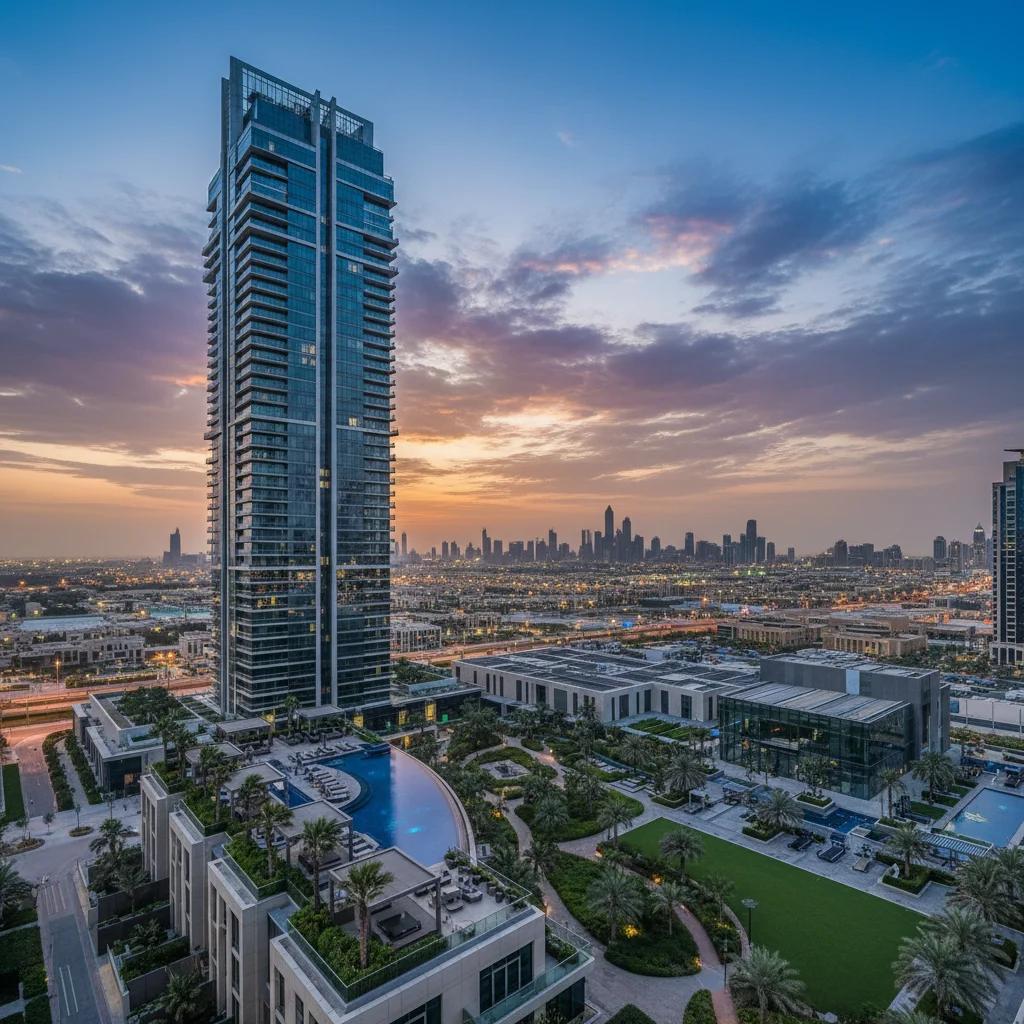
Sulafa Tower Fire: Timeline, Impact, and Safety Improvements
- Sulafa Tower Fire: Timeline, Impact, and Safety Improvements - Understanding the Incident
- Fire Safety Challenges in High-Rise Buildings
- Safety Regulations and Building Code Enhancements Post-Sulafa Tower Fire
- Community Impact and Recovery Efforts Following the Sulafa Tower Fire: Timeline, Impact, and Safety Improvements
- Technological Innovations Enhancing Fire Safety in Skyscrapers
- Future Directions for Fire Prevention and Safety in Tall Buildings
- FAQs
In this blog, we explore the sulafa tower fire incident, its timeline, impacts, and the crucial safety improvements made afterward. This comprehensive guide covers key aspects related to fire safety, regulations, and technological advancements in high-rises. Discover the lessons learned and ongoing efforts to enhance safety in skyscrapers to prevent future incidents.
Sulafa Tower Fire: Timeline, Impact, and Safety Improvements - Understanding the Incident
In examining the Sulafa Tower fire timeline, impact, and safety improvements, we first look back at the significant incidents that occurred in 2016 and 2025. Both fires, while occurring at different times, highlighted critical issues with fire safety in high-rise buildings.
The fire in 2016 was particularly alarming, as it spread rapidly due to flammable exterior cladding. Emergency responders reacted quickly, working tirelessly to evacuate residents and contain the flames. Despite their efforts, the incident resulted in several injuries, raising awareness about the potential fire risks associated with high-rise structures.
Key Events from the 2016 Incident:
- Rapid fire spread due to exterior cladding material.
- Effective emergency response by local firefighting teams.
- Injuries reported among residents during evacuation.
Fast forward to 2025, another fire incident underscored the ongoing challenges in fire safety regulation and building materials. This time, improvements had been made in alarm systems and fire response protocols, although some shortcomings remained evident.
Lessons Learned and Safety Improvements:
- Stricter regulations on building materials to avoid flammable cladding.
- Enhanced training for emergency responders.
- Regular evacuation drills for residents to improve preparedness.
Overall, the Sulafa Tower fire timeline, impact, and safety improvements serve as a reminder of the importance of fire safety in high-rise buildings and the continual need for improvement in building codes and emergency preparedness.
Fire Safety Challenges in High-Rise Buildings
High-rise buildings, like those found in the iconic skyline of the United Arab Emirates, face unique fire safety challenges. Understanding the Sulafa Tower fire timeline, impact, and safety improvements is essential in grasping these challenges. The height of such structures complicates evacuation plans and firefighting efforts.
The materials used in high rises often include glass and metal, which can contribute to rapid fire spread. Firefighters may have difficulty accessing higher floors quickly, which poses a danger not just to residents but also to emergency responders.
Key Fire Safety Challenges:
- Limited access for firefighting equipment.
- The risk associated with flammable exterior cladding.
- Complex evacuation strategies needed for residents.
- Effectiveness of fire detection and suppression systems.
The Sulafa Tower fire timeline, impact, and safety improvements can serve as a blueprint for enhancing safety measures in future developments. Learning from past incidents can lead to better building designs and rigorous safety protocols.
As urban areas grow and more skyscrapers emerge, it is crucial to address these fire challenges. Increasing awareness and safety training for residents and first responders is also vital in mitigating risks associated with high-rise fires.
Safety Regulations and Building Code Enhancements Post-Sulafa Tower Fire
Following the Sulafa Tower fire timeline, impact, and safety improvements, the UAE has introduced stringent safety regulations and building code enhancements. These reforms were crucial to enhance fire safety protocols in high-rise buildings across the region.
Key improvements include revised fire-resistant cladding mandates. The new regulations ensure that materials used in building exteriors are tested and certified to withstand high temperatures and contribute to building integrity during a fire incident.
Emergency Preparedness Protocols
Enhanced emergency preparedness protocols have also been implemented. Developments now must include comprehensive evacuation plans and regular fire drills to ensure the safety of residents. Compliance with these protocols is monitored rigorously by local authorities.
- Mandatory installation of advanced smoke detection systems.
- Regular safety inspections by certified fire safety officials.
- Training for residents on emergency response measures.
Enforcement Measures
To support these changes, enforcement measures have also been strengthened. Building inspections have become more frequent, with non-compliance resulting in significant penalties.
To find properties with enhanced safety features, search for available sulafa tower options.
For more information about building safety standards in the area, explore the sulafa tower building.
Community Impact and Recovery Efforts Following the Sulafa Tower Fire: Timeline, Impact, and Safety Improvements
The Sulafa Tower fire timeline, impact, and safety improvements reflect a profound journey for the community surrounding this landmark. Following the incidents, residents faced significant challenges, including displacement from their homes. Emergency responses were swift, yet many individuals sought temporary housing while they regained stability.
Psychological effects were equally substantial as community members dealt with the trauma of the events. Support networks quickly emerged, emphasizing the need for mental health resources. Local organizations provided assistance, focusing on the well-being of those affected.
Community Support Initiatives
- Initiatives for temporary shelters to accommodate displaced residents.
- Programs focused on mental health support and community counseling.
- Aid collection drives to provide essential items to those affected.
- Workshops aimed at resilience building and safety education.
Such measures have highlighted the strength of community bonds. As recovery progressed, residents came together to ensure that lessons learned from the Sulafa Tower fire timeline, impact, and safety improvements were incorporated into future safety protocols. Continued engagement in recovery initiatives fosters a more resilient community for the future.
Technological Innovations Enhancing Fire Safety in Skyscrapers
The Sulafa Tower fire timeline, impact, and safety improvements underscore the critical need for advanced technologies in high-rise buildings. Innovations in fire safety have emerged as game changers for skyscrapers, directly addressing the challenges posed by such incidents.
A key advancement is the use of fire-resistant materials. These materials are designed to withstand extreme heat, preventing flames from spreading quickly. This proactive approach stands as a significant upgrade in building design, particularly for structures like Sulafa Tower.
Advanced Sprinkler Systems
Next, advanced sprinkler systems have transformed how fires are managed in skyscrapers. These systems can now respond more effectively, activating in specific areas rather than throughout an entire building, which saves water and minimizes water damage.
Smart Detection Mechanisms
Finally, smart detection mechanisms offer unparalleled advantages. With sensors that can identify smoke and heat patterns, these technologies provide early warnings and guide occupants safely in the event of an emergency. They are crucial for enhancing the safety measures reflected in the Sulafa Tower fire timeline, impact, and safety improvements.
- Fire-resistant materials
- Advanced sprinkler systems
- Smart detection mechanisms
In conclusion, integrating these innovations not only improves safety but also ensures that buildings like Sulafa Tower are equipped to handle emergencies more efficiently. The world of fire safety is evolving, guided by the lessons learned from past incidents reflected in the Sulafa Tower fire timeline, impact, and safety improvements.
Future Directions for Fire Prevention and Safety in Tall Buildings
Fire safety in tall buildings like those surrounding the Sulafa Tower fire timeline, impact, and safety improvements remains a top priority for urban planners and safety officials. To ensure the highest levels of safety, comprehensive strategies must be put in place.
Strategic Measures for Safety
Understanding the impact of previous incidents informs future decisions. Implementing several key strategies can significantly enhance fire prevention and safety:
- Regular safety audits to identify potential risks and mitigate them in advance.
- Upgrading fire alarm systems and sprinkler technology to state-of-the-art solutions.
- Conducting ongoing training for emergency personnel and residents to prepare for potential fire incidents.
- Adopting international fire safety standards to create a benchmark for local policies.
Community Involvement
Involving the community in fire safety efforts fosters a culture of awareness and preparedness. Engaging residents in regular fire drills and safety workshops can significantly improve response times during emergencies.
Technological Advancements
In addition to safety measures, incorporating advanced technology into building management systems offers improved monitoring and response capabilities. These developments leverage data analytics to predict potential fire hazards and initiate preventive actions effectively.
The evolution towards better fire safety in buildings, including those like the Sulafa Tower, can be achieved by embracing these measures aligned with the Sulafa Tower fire timeline, impact, and safety improvements. By committing to continuous advancement, we can significantly reduce risks and enhance overall preparedness.
The Sulafa Tower fire was a pivotal moment that sparked significant changes in fire safety regulations. As the community continues to recover, lessons learned are being applied to modern high-rise safety protocols. For in-depth insights, check out the full report on fire safety improvements here. If you're interested in the lifestyle and amenities surrounding this area, don't miss our article on living in Sulafa Tower Marina. Stay informed and engaged as we pave the way for safer living conditions.
FAQs


