

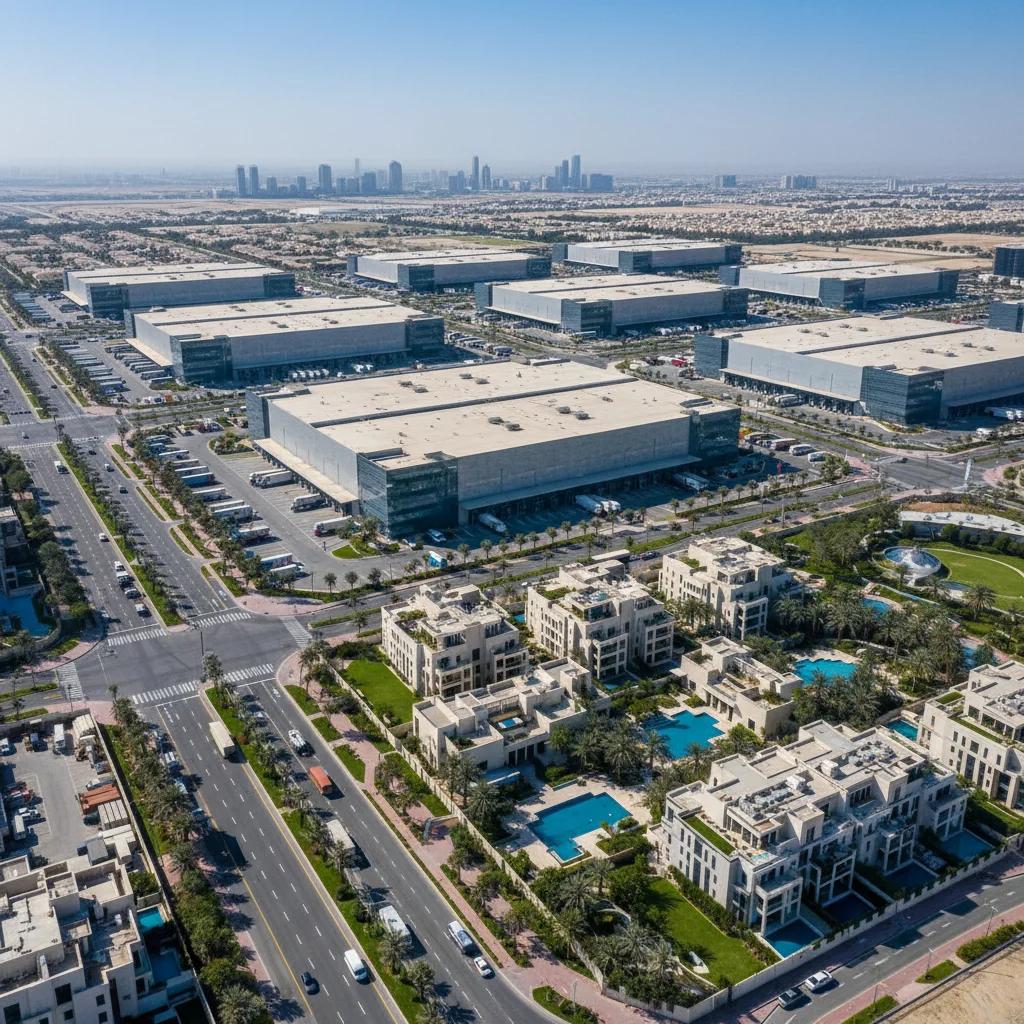
Warehouse Dubai – Your Comprehensive Storage Guide
- Warehouse Dubai: Overview of Industrial Storage Spaces
- Choosing the Right Warehouse Size and Facilities for Your Business Needs
- Warehouse Dubai: Strategic Locations and Accessibility in Key Industrial Zones
- Logistics Services and Technological Features in Modern Warehousing
- Legal and Rental Considerations for Leasing Industrial Spaces in Dubai
- Warehouse Dubai: Trends and Future Outlook in Dubai’s Storage Sector
- FAQs
Warehouse Dubai offers essential insights into commercial and industrial spaces for storage and logistics needs. This guide will help you navigate available options, rental considerations, and key locations in Dubai.
Warehouse Dubai: Overview of Industrial Storage Spaces
The demand for warehouse dubai is on the rise as the city cements its position as a global trade hub. Warehouses play a crucial role in the supply chain, facilitating the storage of goods for various sectors, including retail, manufacturing, and logistics. Understanding the types of warehouses available and their uses is essential for businesses looking to optimize their operations.
Common warehouse types range from simple storage spaces to advanced facilities designed for specific industries. Typical uses include temperature-controlled environments for perishables, distribution centers for fast-moving consumer goods, and specialized spaces for oversized equipment. Each type caters to different storage requirements, ensuring that businesses can select the most suitable option for their needs.
As Dubai's logistics sector continues to grow, the availability of warehouses is becoming increasingly strategic. Regions such as Dubai Industrial City and Jebel Ali Free Zone are home to numerous warehouses, benefiting from their proximity to major transport routes and ports. This accessibility enhances efficiency in goods movement, making these areas attractive for businesses requiring reliable storage solutions.
Additionally, many businesses are now seeking flexible warehouse options that can adapt to changing market demands. Companies often look for facilities that allow for easy scaling and customization, which provides them with a competitive edge in responding to market trends. Understanding the dynamics of the available properties in warehousing can help businesses make informed decisions.
Investors and businesses alike should note the changing landscape of warehouse demand in Dubai. As e-commerce and retail sectors expand, the emphasis on space efficiency and functionality intensifies. This shift indicates a growing need for modern storage solutions, positioning warehouses as a vital part of the industrial infrastructure that supports Dubai’s economic growth.
Choosing the Right Warehouse Size and Facilities for Your Business Needs
Businesses looking at a warehouse dubai must carefully evaluate their specific needs. Proper size and facilities are crucial to ensuring optimal operations. Different business activities may require varying layouts and storage characteristics, significantly impacting efficiency and productivity.
Understanding the type of goods you will store is vital. For example, if you handle temperature-sensitive items, consider warehouses equipped with temperature-controlled units. On the other hand, if your business involves hazardous materials, it’s essential to select facilities designed to handle such substances, ensuring compliance with safety regulations.
Layout options are equally important. Open layouts are suitable for businesses that require flexibility, while divided spaces may benefit those needing designated areas for different operations. Assessing your workflow can help determine the most efficient configuration.
It's also wise to consider additional facilities that a warehouse can offer. Loading docks, security systems, and office spaces can enhance the functionality of your operations. When selecting a the property, prioritize facilities that align closely with your operations to facilitate a smoother workflow.
For more insights into available warehouse options and features in Dubai, you can explore Dubai Industrial City’s offerings, which showcase a variety of solutions tailored to diverse business requirements. Finding the right space will enable your company to operate efficiently in Dubai’s competitive market.
Warehouse Dubai: Strategic Locations and Accessibility in Key Industrial Zones
Dubai is home to several prominent industrial zones, making it a vital hub for logistics and distribution. Understanding the strategic locations of warehouses in Dubai is essential for businesses seeking efficient storage solutions. One key area is warehouse dubai, which offers ample space and proximity to critical infrastructure.
Dubai Industrial City is a significant location, designed to support various sectors, including light manufacturing and logistics. This industrial hub provides facilities that cater to businesses requiring efficient access to transportation networks. Its layout is optimized for the seamless movement of goods and materials, which is essential for effective supply chain operations.
Another notable zone is Jebel Ali, which features the world’s largest man-made harbor. The proximity to both sea and air travel enhances the logistics potential for warehouses, allowing for expedited shipping of goods. Companies situated in this area benefit from direct access to the Jebel Ali Free Zone, which offers tax incentives for businesses.
Convenient access to major highways minimizes travel time to and from these industrial zones, significantly improving operational efficiencies for businesses. Key arteries such as Sheikh Zayed Road connect these zones to the rest of the emirate and the wider UAE, enabling quick transport of products to customers.
Infrastructure developments, such as the expansion of Dubai's road networks and the improvement of public transport options like the metro, further enhance accessibility. Ensuring that staff can commute easily contributes to a positive working environment in warehouse operations.
With a strong focus on logistics and distribution, Dubai's warehouse sector continues to grow. Businesses contemplating expansion in this market will find a variety of options tailored to different operational needs, supported by a well-planned transport network.
Logistics Services and Technological Features in Modern Warehousing
Several value-added services enhance the functionality of a warehouse dubai. These services are essential for businesses seeking efficient storage and distribution solutions.
Third-party logistics (3PL) providers manage various supply chain functions, including warehousing, transportation, and order fulfillment. Utilizing 3PL can reduce operational costs and streamline operations while allowing companies to focus on core business activities. Their expertise ensures all logistical aspects are handled efficiently.
Bonded storage facilities play a significant role in the logistics landscape. They provide secure storage for goods that have not yet cleared customs. Businesses can defer duties and taxes until the goods are released, helping to manage cash flow effectively. This added flexibility is particularly appealing for international trade operations.
Safety and security are critical considerations in any storage facility. Many warehouses in Dubai are equipped with security systems, including surveillance cameras, access control systems, and alarm systems. These features work together to ensure that inventory remains protected from theft or damage, providing peace of mind for business owners.
Automation technologies are increasingly prevalent in modern warehousing. Automated retrieval systems and robotics are utilized to increase efficiency and accuracy in order processing. By reducing the reliance on manual labor, businesses can minimize errors and speed up operations, ultimately improving customer satisfaction.
Implementing these logistics services and technological features not only enhances operational efficiency but also contributes to strategic cost management. As the warehousing landscape evolves, businesses can greatly benefit from adopting these innovations to stay competitive in the market.
Legal and Rental Considerations for Leasing Industrial Spaces in Dubai
Leasing a warehouse dubai involves several legal and regulatory considerations that are crucial for both local and foreign businesses. Understanding these aspects is essential for ensuring compliance and maintaining operational efficiency.
Rental agreements typically cover important details such as the lease term, renewal options, and payment schedules. Most rentals are structured around a fixed duration, often ranging from one to five years, with specific clauses outlining the conditions for extensions or early termination.
Legal documentation is paramount when leasing industrial spaces. Businesses need to present a valid trade license, proof of residency or legal entity registration, and possibly a bank guarantee. Foreign companies may face stricter requirements, including partnership with a local sponsor, depending on the nature of their operations.
Maintenance responsibilities are another critical aspect. Generally, landlords maintain the structural integrity of the property while tenants are responsible for the upkeep of the interior space. It's important to clearly define these responsibilities in the lease to avoid disputes.
Compliance with local regulations is imperative. This includes adhering to zoning laws, safety standards, and environmental regulations, which can vary significantly between regions in Dubai. Tenants should be aware of the specific requirements related to their sector to ensure seamless operations.
Navigating the legal landscape of leasing industrial spaces may seem daunting, but understanding these elements can greatly enhance the leasing experience. Prospective tenants should seek legal guidance to ensure that all terms are favorable and legally binding.
Warehouse Dubai: Trends and Future Outlook in Dubai’s Storage Sector
Evolving trends in technology and consumer behavior continue to reshape the logistics landscape within the region. A significant factor influencing the demand for warehouse dubai is the increasing rise of e-commerce. Businesses are adjusting their fulfillment strategies to better accommodate online shopping, requiring more efficient and accessible warehousing options.
Adaptations in supply chain dynamics emphasize the need for flexibility in warehouse designs and operations. Companies seek storage solutions that facilitate quick dispatch and inventory management. Innovations such as automated systems and data-driven inventory tracking are becoming standard practices, allowing for faster processing times and streamlined operations.
Sustainability concerns also play a crucial role in shaping the future of warehousing in Dubai. The market sees growing interest in eco-conscious practices, leading to the development of spaces that utilize energy-efficient technologies and reduce waste. Companies are faced with the challenge of building or retrofitting warehousing spaces that align with global sustainability goals, which is increasingly becoming a requirement for regulatory compliance.
The impact of infrastructure expansion is another critical aspect influencing the future warehouse market. Areas like Dubai Industrial City and Jebel Ali Free Zone are experiencing growth, providing businesses with more strategic locations for distribution. As transportation networks improve, these locations become increasingly attractive to logistics companies looking to optimize operations.
As the market for storage solutions continues to evolve, stakeholders must remain adaptable to the shifting needs of the industry. Companies that embrace new technologies and sustainable practices are poised to thrive in the competitive landscape of Dubai's storage sector. Ultimately, understanding these trends will empower business leaders to make informed decisions that shape their logistics strategies moving forward.
The intricacies of warehouse spaces in Dubai reveal a dynamic landscape for business operations. Understanding various storage solutions and their features is crucial for any enterprise. With the expansion of logistics services, companies can find tailored solutions that meet diverse needs. For further insights into available properties and trends, explore your options with Skyloov.


